Recommended Free Tools
FaZe Clan doesn’t usually blink first. For more than a decade, the brand has thrived on controlled chaos, superstar egos, and a belief that raw talent could brute-force any meta. But this latest wave of high-profile exits feels different, less like routine roster churn and more like a warning sign that the org is navigating unfamiliar terrain.
In a scene where stability is often the hidden stat that separates contenders from pretenders, FaZe is suddenly taking damage from multiple angles at once. Competitive lineups are shifting, legacy names are walking away, and the once-invincible aura around the logo is starting to show cracks.
The Loss of Core Firepower
The most seismic departure is ropz, FaZe’s cerebral CS anchor and one of the smartest lurkers of the modern era. His move away from the team wasn’t just a mechanical loss; it stripped FaZe of a player who consistently won low-econ rounds through positioning, timing, and near-perfect hitbox discipline. When a roster loses that kind of glue, it’s not just DPS that drops, it’s decision-making under pressure.
Then there’s the end of s1mple’s high-profile loan stint, a short-term experiment that was meant to inject star power and reset FaZe’s ceiling. While the partnership delivered flashes of brilliance, it also highlighted how difficult it is to integrate a generational carry into an already system-heavy lineup. His exit leaves FaZe right back where they started, searching for identity rather than simply firepower.
#1 Best Overall

- TRIFORCE TITANIUM 50 MM DRIVERS — Our cutting-edge proprietary design divides the driver into 3 parts for the individual tuning of highs, mids, and lows—producing brighter, clearer audio with richer highs and more powerful lows
- HYPERCLEAR CARDIOID MIC — An improved pickup pattern ensures more voice and less noise as it tapers off towards the mic’s back and sides, with the sweet spot easily placed at the mouth because of the mic’s bendable design
- ADVANCED PASSIVE NOISE CANCELLATION — Sturdy closed earcups fully cover the ears to prevent noise from leaking into the headset, with its cushions providing a closer seal for more sound isolation
- LIGHTWEIGHT DESIGN WITH MEMORY FOAM EAR CUSHIONS — At just 240 g, the headset features thicker headband padding and memory foam ear cushions with leatherette to keep gaming in peak form during grueling tournaments and training sessions
- WORKS WITH WINDOWS SONIC — Make the most of the headset’s powerful drivers by pairing it with lifelike surround sound that places audio with pinpoint accuracy, heightening in-game awareness and immersion
Why These Departures Aren’t Just Business as Usual
Roster changes happen in esports, but FaZe has historically dictated the market instead of reacting to it. Seeing elite players choose long-term security, clearer systems, or different org cultures suggests that FaZe’s internal direction is being quietly questioned. When stars with championship experience decide the risk-reward ratio no longer favors staying, that sends a signal the rest of the scene picks up on immediately.
Behind the scenes, these moves point to growing pains tied to management structure, long-term vision, and how much autonomy top players actually have. In a meta where preparation, analytics, and coaching staffs matter as much as raw aim, FaZe’s old-school “let the talent cook” approach is being stress-tested.
The Ripple Effect Across Esports
FaZe’s struggles don’t exist in a vacuum. Other organizations are watching closely, ready to poach talent and sell stability as the new endgame. When a brand as influential as FaZe shows vulnerability, it reshapes negotiations, buyouts, and even how young prospects evaluate prestige versus longevity.
For fans and competitors alike, this moment feels like a fork in the road. FaZe Clan can double down, adapt to the modern esports ecosystem, and rebuild around a clearer philosophy, or risk becoming a cautionary tale of how quickly momentum can slip when the meta shifts and you fail to adjust.
Quick wins for a faster PC:
Repair Windows errors before they cause bigger problemsFix Now →Fix the driver behind crashes, sound loss and screen glitchesFind Drivers →Clear out junk files and repair common Windows errorsFree Scan →The Biggest Names to Exit FaZe Clan: Who Left and From Which Divisions
With the broader context in mind, the real story sharpens when you look at exactly who walked away and which competitive pillars took the hit. These weren’t fringe bench players or failed experiments. These were system-defining pieces whose departures actively reshaped FaZe’s competitive identity across multiple esports.
Counter-Strike: Twistzz, ropz, and the End of a Championship Core
The most jarring exit still reverberating through CS is Twistzz. After helping FaZe complete one of the most mechanically sound eras in modern Counter-Strike, including a Major win built on pristine spacing and mid-round discipline, his decision to leave for Team Liquid signaled fatigue with instability rather than a hunger issue. Twistzz didn’t just bring raw aim, he was the timing anchor that let FaZe play high-tempo without hemorrhaging trades.
More recently, ropz’s departure cracked the foundation even further. As arguably the best lurker in the world, ropz thrived on structure, information control, and trust in rotations. His move suggested a philosophical mismatch, where FaZe’s looser system began clashing with a meta that rewards airtight protocols and prep-heavy playbooks.
Call of Duty: Cracks Beneath a Dynasty-Level Brand
While FaZe’s Call of Duty presence remains star-studded, earlier high-profile exits still loom large in how the roster is perceived. Arcitys leaving FaZe Atlanta removed a cerebral IGL who specialized in spawn manipulation and tempo control rather than flashy slaying. His exit marked the first time FaZe’s CoD dominance felt mechanically elite but strategically thinner.
Since then, FaZe has leaned heavily into raw gunskill, trusting Simp and aBeZy to win unwinnable gunfights. That works until it doesn’t, especially in a league where map vetoes, hill setups, and cooldown management punish even minor lapses.
Halo: Letting Go of a Proven Championship Formula
FaZe’s decision to exit Halo entirely may have flown under the radar, but competitively, it was seismic. Releasing a roster built around veterans like SnakeBite, Royal2, and Frosty meant stepping away from one of the most consistent championship cores in the scene. This wasn’t a talent issue, it was a commitment issue.
Halo rewards cohesion, long-term chemistry, and micro-adjustments in positioning that only come with time. Walking away from that ecosystem reinforced the idea that FaZe was reevaluating which esports justified sustained investment rather than short-term visibility.
Valorant and Apex Legends: Strategic Retreats, Not Rebuilds
FaZe’s exit from Valorant sent an unmistakable message. Rather than recalibrate after inconsistent results, the organization chose to leave the space entirely, releasing players who were still developing their tier-one ceiling. In a tactical shooter where coaching depth and anti-strat prep are everything, FaZe opted out instead of adapting.
The Tool Desk
Outbyte Driver Updater FREEScan for outdated or missing drivers - takes under a minuteDriver Scan →Outbyte PC Repair FREEClear out junk files and repair common Windows errorsFree Scan →A similar pattern played out in Apex Legends. Dropping the roster closed the book on a division that demands constant meta study, legend synergy optimization, and macro-level discipline. It was another signal that FaZe is pulling back from scenes where infrastructure matters as much as mechanical dominance.
What These Names Leaving Actually Tells Us
Across every division, the common thread isn’t performance decline, it’s alignment. Players known for structure, preparation, and system trust were the ones most likely to move on. That points toward an internal recalibration where FaZe is still deciding whether it wants to evolve into a modern, process-driven esports organization or continue betting on talent-first identity alone.
For the wider esports landscape, these exits recalibrate the power map. Rival orgs now pitch stability, coaching depth, and long-term vision as competitive advantages. When players with championship pedigree choose certainty over clout, the entire market listens.
Behind the Breakups: Contract Expirations, Buyouts, Creative Conflicts, and Competitive Decline
What’s happening with FaZe isn’t a single implosion, it’s a series of pressure points finally giving way. Contract timing, philosophical differences, and cold competitive math all converged at once. When you trace each departure individually, a clearer picture of FaZe’s current identity crisis starts to form.
Free tools Windows power users keep installed
One-click scans. No signup required.
Rank #2
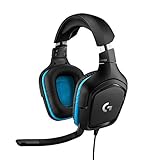
- Enjoy expansive cinematic sound. Big 50 mm audio drivers deliver an incredible sound experience
- Hear Enemies From All Sides. DTS Headphone:X 2.0 surround sound(1) lets you hear enemies sneaking behind you, special ability cues, and immersive environments. It’s positional clarity that can make the difference between victory and defeat. Experience three-dimensional audio that goes beyond 7.1 channels to make you feel like you’re right in the middle of the action. (1) DTS Headphone:X 2.0 requires Logitech G HUB Software.
- Be Heard Loud and Clear. The big 6 mm boom mic makes sure you’re heard by gaming partners and mutes when flipped up.
- Use One Headset For Most Game Platforms. Your headphones work with your PC or Mac via USB DAC or 3.5 mm cable, mobile devices with 3.5 mm cable or with gaming consoles including PlayStationⓇ 5 and PlayStationⓇ 4 (USB wireless stereo sound only), Nintendo Switch (wireless stereo sound when docked)
- Game for Hours in Comfort. Everything about these headphones is about comfort: The deluxe lightweight leatherette ear cups and headband are made to keep pressure off your ears. Ear cups rotate up to 90 degrees for convenience.
Contracts Expiring at the Worst Possible Time
In Counter-Strike, ropz’s exit hit the hardest because it followed the rulebook, not drama. His contract expired, and with FaZe’s results trending downward after their Major-winning peak, renewal talks lost leverage fast. When a star rifler with elite crosshair discipline and clutch conversion sees instability, free agency becomes the safest play.
For FaZe, losing ropz wasn’t just about raw DPS output or late-round composure. It signaled that even championship-caliber systems weren’t enough to guarantee long-term buy-in anymore. Stability, not trophies alone, was the deciding factor.
Buyouts and the Cost of Short-Term Fixes
Earlier roster moves across multiple titles leaned heavily on buyouts rather than organic development. Twistzz’s previous departure from CS was a textbook example of how short-term solutions can fracture long-term chemistry. When roles shift constantly and systems reset every season, even elite talent starts playing reactionary instead of proactive.
Buyouts can patch holes, but they don’t build trust. For players used to tight spacing, synced utility usage, and predictable mid-round calls, that uncertainty kills confidence faster than any losing streak.
Do these 3 things before closing this tab:
1Fix the driver behind crashes, sound loss and screen glitches2Clear out junk files and repair common Windows errors3Scan for outdated or missing drivers - takes under a minuteCreative Conflicts and Brand Identity Tension
FaZe’s problems weren’t confined to servers. High-profile creators like NICKMERCS leaving earlier set a precedent that reverberated throughout the org. When competitive players and creators feel the brand’s direction is unclear, alignment becomes impossible.
FaZe has always straddled the line between esports powerhouse and lifestyle brand. As the industry matured, that dual identity started causing friction, especially for competitors who need structure, coaching support, and clear priorities to perform at peak efficiency.
Competitive Decline by Strategic Withdrawal
Exiting Halo, Valorant, and Apex wasn’t framed as failure, but the competitive impact was undeniable. Releasing the Halo roster built around SnakeBite, Royal2, and Frosty removed FaZe from a scene where experience, spawn control, and micro-rotations decide championships. That wasn’t decline in skill, it was decline in commitment.
Valorant and Apex told a similar story. Instead of grinding through meta shifts, agent balance changes, and tactical evolution, FaZe opted out. For players, that choice translated into a lack of long-term faith, pushing them toward organizations willing to endure the grind.
What This Signals to the Rest of Esports
Across every departure, the message is consistent. FaZe is recalculating what level of structure and patience it’s willing to invest in competitive ecosystems. Players who prioritize systems, coaching depth, and long-term roadmaps are reading that hesitation clearly.
For rival organizations, this is an opening. Stability has become the new currency, and FaZe’s recent breakups have shifted leverage toward teams that promise consistency over clout. In a landscape where margins are decided by prep, not hype, that perception matters more than ever.
Inside FaZe’s Internal Challenges: Leadership Changes, Financial Pressure, and Strategic Reset
The departures outlined earlier don’t exist in a vacuum. Behind every roster move and creator exit is a shifting internal structure that has forced FaZe to rethink how it operates, who it prioritizes, and how much risk it’s willing to absorb in modern esports.
Leadership Turnover and a Loss of Competitive North Star
FaZe’s leadership shakeups over the last two years have had a direct downstream effect on competitive teams. The exit of longtime CEO Lee Trink and the transition toward GameSquare’s oversight marked a clear break from the org’s original player-driven identity. Decisions that once came from esports veterans began filtering through corporate lenses focused on sustainability and margin control.
What’s actually slowing this PC down?
Pick the symptom - the matching free tool is one click away.
For players, that shift matters. When leadership changes mid-season or mid-project, long-term plans like coaching hires, bootcamp schedules, and multi-year roster builds lose priority. Competitive teams thrive on predictable systems, and FaZe’s internal resets introduced uncertainty that no amount of raw talent can out-aim.
Financial Pressure and the Reality Check After the Hype Era
FaZe’s post-IPO reality forced hard conversations. Esports salaries, support staff, travel, and buyouts don’t scale well when sponsorship markets tighten and content RPMs fluctuate with RNG-heavy algorithms. The result was a noticeable pullback from high-cost ecosystems like Halo, Valorant, and Apex.
High-profile exits followed that pressure. The Halo championship roster was released not because of performance, but because the math stopped working. In Counter-Strike, the departures of ropz to Vitality and Twistzz back to Team Liquid weren’t just about trophies, they reflected players choosing stability, defined leadership, and clear championship windows over uncertainty.
Creators, Contracts, and the Cost of Misalignment
On the creator side, NICKMERCS’ earlier exit still looms large internally. His departure wasn’t just about individual disagreements, it exposed fractures in how FaZe balanced creator autonomy with brand governance. Once that trust eroded, other creators and players began reassessing what FaZe actually offered beyond name value.
Outdated Drivers Are Slowing You Down
One free scan finds every outdated or missing driver and matches the right update for your exact hardware.Free scan · exact hardware matchWindows Errors? Fix Them Before They Spread
Repair common Windows errors and clear accumulated junk for a smoother, more stable PC - no reinstall needed.Free scan · no reinstallRank #3

- Immersive 7.1 Surround Sound: This gaming headset delivering stereo surround sound for realistic audio. Whether you're in a high-speed FPS battle or losing yourself RPG adventures, this Ps5 headset provides crisp treble, punchy bass, and precise directional cues, giving you a competitive edge
- Great Humanized Design: Comfortable and breathable permeability protein over-ear pads perfectly on your head, adjustable headband distributes pressure evenly, you’ll enjoy lasting comfort during hours of gaming and suitable for all gaming players of all ages
- Sensitivity Noise-Cancelling Microphone: 360° omnidirectionally rotatable sensitive microphone, premium noise cancellation, sound localisation, your voice comes through loud and natural, ensuring your teammates catch every callout, even in chaotic battle scenes.
- Universal Compatibility: This gaming headphone support for PC, Ps5, Ps4, Xbox one, Xbox Series X/S, Switch, Laptop, Mobile Phone and other devices with 3.5mm jack.Note 1: When you use headset on your PC, be sure to connect the "1-to-2 3.5mm audio jack splitter cable" (Red-Mic, Green-audio). (Please note you need an extra Microsoft Adapter when connect with an old version Xbox One controller)
- Cool style gaming experience: Colorful RGB lights create a gorgeous gaming atmosphere, adding excitement to every match. Heightening immersion for FPS, MOBA, and action titles. These eye-catching lights give your setup a gamer-ready look while maintaining focus on performance. (*Note: The USB connector is for LED lighting only)
For competitors, creator instability signals risk. If the org’s biggest personalities can walk, players start questioning how protected their own projects are. In esports, confidence off the server translates directly to confidence in-game, especially in high-pressure mid-rounds where hesitation gets punished.
A Strategic Reset That Shrinks Before It Grows
FaZe’s current direction is less about expansion and more about consolidation. Rather than brute-forcing every esport, the org is narrowing its focus to fewer titles where infrastructure costs are predictable and brand ROI is measurable. From a business standpoint, it’s logical. From a competitive standpoint, it’s limiting.
This reset signals to the broader esports landscape that FaZe is no longer the automatic destination for elite talent. Players chasing championships are prioritizing orgs with locked-in leadership, deep coaching benches, and patience through meta shifts. Until FaZe proves it can offer that again, departures won’t feel like anomalies, they’ll feel like symptoms.
Game-by-Game Fallout: How These Exits Impact FaZe’s CS, Call of Duty, Valorant, and Content Arms
With consolidation now the guiding principle, the impact of these departures isn’t evenly distributed. Each title FaZe touches has its own ecosystem, cadence, and tolerance for instability. Losing star power in one game can be patched over. Losing it across multiple pillars at once reshapes how the entire org is perceived.
Counter-Strike: From Superteam Ambitions to Identity Loss
Counter-Strike is where the fallout feels most immediate. The exits of ropz to Vitality and Twistzz back to Team Liquid stripped FaZe of its most reliable late-round closer and one of the smartest spacing riflers in the modern era. These weren’t just mechanical losses, they were system losses.
Ropz thrived in FaZe because he was given space to play lurk-heavy, info-driven CS without being forced into hero plays. His move to Vitality offered something FaZe couldn’t at the time: long-term roster certainty and a defined championship window. Twistzz’s return to Liquid told a similar story, prioritizing structure and leadership clarity over brand prestige.
The signal to the CS scene was loud. FaZe went from being a destination for elite riflers to a transitional stop, a place to prove value before moving somewhere more stable. In a game where mid-round trust and role security are everything, that perception is brutal.
Call of Duty: Cracks in a Legacy Pillar
Call of Duty has historically been FaZe’s safest lane. The brand, the fanbase, and the CDL presence created a sense of permanence that insulated the roster from broader org turbulence. Recent roster churn, however, has exposed that even this pillar isn’t immune.
Veteran leadership changes and contract reshuffles signaled a shift away from long-term chemistry toward short-term flexibility. In a league defined by spawn knowledge, timing, and split-second trades, constant adjustments hurt more than raw slaying power helps. Players feel that, especially when other CDL orgs are locking cores for multiple seasons.
FaZe remains competitive in CoD, but the aura has dimmed. The org is no longer untouchable, and rivals now see blood in the water when it comes to poaching talent or outbidding on extensions.
Valorant: A Quiet Exit With Loud Implications
FaZe’s retreat from Valorant was less dramatic, but arguably more telling. After cycling through high-profile names and stylistic experiments, the org stepped away as costs rose and franchising solidified the ecosystem. It wasn’t about poor results as much as poor alignment.
Valorant demands heavy infrastructure investment, from analytics staff to constant meta adaptation around agent balance and map pools. FaZe’s reset made that commitment hard to justify, especially when ROI lagged behind expectations. The exit signaled to players that FaZe was no longer willing to endure growing pains in emerging titles.
Across the scene, it reinforced a broader truth. Even the biggest brands are now choosing sustainability over presence, and players can’t assume legacy orgs will stick around through rough patches.
The Content Arm: Brand Power Without Its Biggest Faces
On the content side, the departure of NICKMERCS remains the defining moment. He wasn’t just a streamer, he was an algorithm driver, a cultural anchor, and a bridge between competitive esports and mainstream gaming audiences. Losing him reshaped FaZe’s entire content calculus.
Without that gravitational pull, FaZe’s creator network feels flatter. RPM volatility hits harder when fewer creators can brute-force engagement through sheer audience loyalty. For upcoming creators, FaZe now looks less like a launchpad and more like a logo with stricter strings attached.
That perception loops back into esports. Players want orgs that amplify their personal brands alongside their competitive careers. When the content arm weakens, the recruitment pitch across all games loses a critical edge.
The Tool Desk
Outbyte Driver Updater FREEFix the driver behind crashes, sound loss and screen glitchesFind Drivers →Outbyte PC Repair FREERepair Windows errors before they cause bigger problemsFix Now →Rank #4
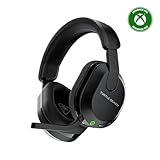
- Memory Foam Cushions with Glasses-Friendly Technology
- Powerful, 50mm Nanoclear Drivers for Vibrant Spatial Audio
- Mappable Wheel and Mode Button for Customizable Functions
- QuickSwitch Button for Seamless Wireless to Bluetooth switching
- Flip-to-Mute Mic with A.I.-Based Noise Reduction
What the Departing Stars Are Saying: Public Statements, Leaks, and Industry Sources
As FaZe’s competitive and content footprint contracts, the messaging from departing members has been telling. Very few have gone fully scorched earth, but the pattern across public statements, off-stream comments, and industry chatter points to the same pressure points. Control, long-term stability, and brand alignment keep coming up, even when names avoid saying it outright.
NICKMERCS: Independence Over Logos
NICKMERCS’ exit remains the clearest case study because he actually said the quiet part out loud. In multiple streams and social posts following his departure, he framed the move as a reclaiming of autonomy, not a betrayal of FaZe. He emphasized ownership, flexibility, and being able to steer his brand without negotiating every decision through corporate layers.
Behind the scenes, industry sources have long pointed to friction between FaZe’s traditional org structure and creator-first stars who operate more like solo esports franchises. When a creator can generate Tier 1 sponsorships without an org cut, the math stops favoring long-term contracts. His departure sent a message to other top creators: the FaZe tag no longer guarantees upside worth the trade-offs.
CDL Departures: Reading Between the Lines
On the Call of Duty side, players who have moved on have been notably careful with their words. Official statements tend to lean on “new opportunities” and “fresh starts,” but sources close to multiple CDL orgs describe a more pragmatic reality. Contract rigidity, slower renegotiations, and uncertainty around long-term roster investment have pushed players to test the market earlier than expected.
What’s actually slowing this PC down?
Pick the symptom - the matching free tool is one click away.
Several former FaZe CDL players have hinted on podcasts and Twitter Spaces that they wanted clearer competitive roadmaps. In a league where meta shifts can flip team viability overnight, players value orgs willing to spend aggressively on analysts, substitutes, and practice infrastructure. When those commitments feel tentative, even championship pedigrees don’t guarantee loyalty.
Valorant Players and the Cost of Commitment
FaZe’s Valorant exit didn’t come with dramatic farewell threads, but that silence speaks volumes. Former players have privately described the departure as abrupt but unsurprising, citing long-standing uncertainty about the org’s willingness to fully buy into Riot’s franchised ecosystem. The lack of public outrage suggests expectations were already managed behind closed doors.
Industry insiders note that players were quietly encouraged to explore options well before the official pullout. That kind of preemptive transparency softened the blow, but it also reinforced a perception that FaZe is quicker to disengage when the cost-benefit curve turns unfavorable. For pros betting their prime years on stability, that matters.
Content Creators: The Contract Ceiling Problem
Beyond headline names, several mid-to-high tier creators have echoed similar sentiments after leaving FaZe. Streams and Discord leaks often point to aggressive contract terms that made scaling difficult once a creator broke through. Revenue splits, brand approval bottlenecks, and non-compete clauses became friction points as audiences grew.
Recommended Free Tools
The irony is that FaZe helped build many of these creators, but struggled to evolve with them. In today’s ecosystem, creators want orgs that function like accelerators, not governors. When that balance tips, the exit door starts looking very attractive.
What It All Signals About FaZe’s Direction
Taken together, these departures suggest FaZe is recalibrating toward tighter cost control and centralized decision-making. That’s not inherently fatal, but it does clash with the expectations of modern esports stars who see themselves as brands, not just players. The gap between those philosophies is where most of these exits were born.
For the wider esports landscape, the implications are significant. FaZe was once the benchmark for blending competitive success with cultural dominance. Now, its former members are shaping a future where power tilts further toward players and creators who don’t need an org to validate their reach.
Independent reader supportYour contribution helps us test, update, and keep practical guides available for everyone.Ripple Effects Across Esports: How Rival Organizations and the Market Are Responding
As those departures became public, the rest of the esports ecosystem reacted immediately. When an organization as historically influential as FaZe loosens its grip on star talent, every rival org feels the vacuum. The response hasn’t been panic, but opportunity-driven aggression.
Do these 3 things before closing this tab:
1Fix the driver behind crashes, sound loss and screen glitches2Clear out junk files and repair common Windows errors3Scan for outdated or missing drivers - takes under a minuteRival Orgs Move Fast on Proven Winners
The cleanest example is Counter-Strike. Robin “ropz” Kool’s exit from FaZe and subsequent move to Team Vitality wasn’t just a roster change, it was a statement pickup. Vitality secured a mechanically elite rifler with championship LAN experience, instantly raising their mid-round consistency and late-game clutch odds.
Earlier exits like Russell “Twistzz” Van Dulken returning to Team Liquid showed the same pattern. Former FaZe stars are being treated as low-RNG investments: known work ethic, known ceiling, minimal adjustment risk. In a scene where synergy takes months to grind, that matters more than raw aim.
Valorant and the Cost of Franchising Hesitation
FaZe’s Valorant pullback continues to echo through Riot’s ecosystem. Players like Andrej “Babybay” Francisty and Corey Nigra didn’t struggle to land after FaZe stepped away, because franchised orgs prioritize stability above brand hype. Teams with long-term Riot buy-in immediately looked more attractive.
What rival orgs learned was simple: players want assurances that their competitive window won’t be cut short by budget recalculations. Guaranteed salaries, sports science support, and multi-year planning now outweigh merch reach or social clout. FaZe’s hesitation effectively trained the market on what not to do.
Quick wins for a faster PC:
Clear out junk files and repair common Windows errorsFree Scan →Scan for outdated or missing drivers - takes under a minuteDriver Scan →Repair Windows errors before they cause bigger problemsFix Now →Best Value

- ADVANCED PASSIVE NOISE CANCELLATION — sturdy closed earcups fully cover ears to prevent noise from leaking into the headset, with its cushions providing a closer seal for more sound isolation.
- 7.1 SURROUND SOUND FOR POSITIONAL AUDIO — Outfitted with custom-tuned 50 mm drivers, capable of software-enabled surround sound. *Only available on Windows 10 64-bit
- TRIFORCE TITANIUM 50MM HIGH-END SOUND DRIVERS — With titanium-coated diaphragms for added clarity, our new, cutting-edge proprietary design divides the driver into 3 parts for the individual tuning of highs, mids, and lowsproducing brighter, clearer audio with richer highs and more powerful lows
- LIGHTWEIGHT DESIGN WITH BREATHABLE FOAM EAR CUSHIONS — At just 240g, the BlackShark V2X is engineered from the ground up for maximum comfort
- RAZER HYPERCLEAR CARDIOID MIC — Improved pickup pattern ensures more voice and less noise as it tapers off towards the mic’s back and sides
Creators Rewriting the Contract Meta
On the creator side, departures like NICKMERCS still loom large in negotiations today. High-profile creators who watched FaZe alumni walk away with their audiences intact realized the org logo wasn’t the value driver anymore. The market responded by offering lighter contracts, flexible revenue splits, and creator-first sponsorship pipelines.
Other orgs are now pitching themselves as infrastructure providers rather than brand owners. Editing teams, sponsor matchmaking, and event access are the new selling points. FaZe’s older contract model unintentionally accelerated that evolution.
What This Means for FaZe’s Competitive Leverage
The immediate fallout is leverage erosion. When players know there are multiple orgs willing to match pay, offer cleaner contracts, and commit long-term, FaZe loses its historic recruiting edge. The logo still carries weight, but it no longer guarantees priority access to top-tier talent.
In a hyper-competitive market, perception affects negotiations as much as cash. Right now, rival organizations are positioning themselves as safer bets for prime years, while FaZe is viewed as a high-variance option. That shift, more than any single departure, is what the rest of esports is reacting to in real time.
What Comes Next for FaZe Clan: Rebuild Scenarios, Talent Targets, and Long-Term Outlook
With leverage slipping and alumni thriving elsewhere, FaZe now faces its most consequential rebuild since its rise from a Call of Duty sniping clan into a multi-title powerhouse. The question isn’t whether FaZe can reload, but what kind of organization it wants to be moving forward. Every recent departure has narrowed those options and clarified the stakes.
Rebuild Scenario One: Returning to Core FPS Identity
One path is a hard reset toward FaZe’s roots: elite FPS teams built around raw mechanics and star power. That means aggressively re-entering Counter-Strike and Call of Duty with long-term contracts, not stopgap rosters. The exits of veterans like Finn “karrigan” Andersen earlier and rain’s aging curve showed what happens when succession plans lag behind performance windows.
To make this work, FaZe would need to target Tier 1.5 talent hungry for structure and visibility. Think players stuck just outside championship contention who still have peak aim and LAN resilience. The org’s brand still opens doors, but only if paired with real guarantees around support staff, analytics, and roster stability.
Rebuild Scenario Two: Youth Development Over Flash
Another option is embracing a development-first pipeline, something FaZe historically avoided. The departures of stars like NICKMERCS and Babybay revealed a pattern: FaZe excelled at acquiring finished products but struggled to nurture long-term growth. In today’s ecosystem, that’s a liability.
Investing in academy rosters, regional leagues, and buyout-controlled prospects would signal a philosophical shift. It’s less glamorous, but it lowers burn rate and rebuilds trust with publishers and agents. Orgs like MOUZ and Gen.G have shown that patience can outscale hype if the infrastructure is real.
Creator Strategy After NICKMERCS: A New Contract Reality
NICKMERCS’ exit wasn’t just a creator loss; it was a business model fracture. His success post-FaZe proved that top-tier creators don’t need orgs for distribution anymore. That forces FaZe to rethink how it attracts talent in a creator-first market.
Future signings will likely be smaller, more flexible, and incentive-heavy. Instead of locking creators into restrictive deals, FaZe may pivot toward rev-share partnerships tied to events, drops, and sponsorship activations. The days of owning a creator’s brand equity are over, and FaZe has to operate like a platform, not a gatekeeper.
What These Departures Signal Internally
Across competitive and creator divisions, the pattern is consistency over clout. Players like Corey Nigra landing quickly after Valorant exits showed the market values planning more than logos. Internally, that suggests FaZe struggled to align leadership timelines with player career arcs.
Free tools Windows power users keep installed
One-click scans. No signup required.
It’s not a talent evaluation issue; it’s an execution gap. When multiple high-profile members leave citing direction, security, or flexibility, agents take notes. That affects negotiations months before contracts are even drafted.
The Long-Term Outlook: High Risk, Still High Ceiling
FaZe isn’t doomed, but it is at an inflection point. The brand still has global reach, cultural relevance, and a fanbase most orgs would kill for. What it lacks right now is narrative control.
If FaZe commits to transparent planning, competitive consistency, and modern contract structures, it can absolutely reassert itself. But esports doesn’t reward nostalgia, and the meta has shifted. This rebuild isn’t about chasing the next superstar; it’s about proving FaZe can still be a place where careers are built, not escaped.
For fans watching from the sidelines, the next roster announcement won’t just be about names. It’ll be the clearest indicator yet of whether FaZe Clan is adapting to the modern esports endgame, or still playing an outdated patch.
Quick Recap
Product prices and availability are accurate as of the date/time indicated and are subject to change. Any price and availability information displayed on Amazon at the time of purchase will apply.