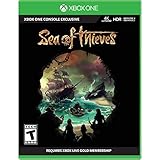
Sea of Thieves Releases Big New Update for July 2025

The July 2025 update lands as one of those rare Sea of Thieves patches that immediately changes how a session unfolds the moment you leave the outpost. This isn’t just another cosmetic refresh or a one-week event bolted onto the sandbox. Rare is clearly nudging the live-service meta forward, tightening core systems while giving crews a new reason to fight over the horizon.

A New High-Stakes World Event Enters Rotation

The biggest headline addition is a fresh World Event designed to disrupt server flow and pull ships into contested waters fast. It’s tuned to escalate quickly, meaning solo sloopers can engage but full crews with optimized DPS rotations will finish it far more efficiently. Expect aggressive enemy spawns, tighter arenas, and loot that actively tempts third-party interference.

Moment-to-moment, this event shifts aggro patterns across the map, making quiet PvE grinds riskier than before. If you’ve been sailing on autopilot, this update punishes complacency and rewards crews that can read server activity in real time.

Progression Updates That Respect Player Time

July’s update meaningfully tweaks long-term progression, especially for players bouncing between factions instead of hard-maining one company. Reputation gains feel smoother, with fewer dead zones where effort doesn’t translate into visible progress. It’s a subtle change, but one that makes every voyage feel like it’s pushing the needle.

There’s also a clearer reward cadence, which helps returning pirates quickly identify what’s actually worth chasing first. Rare continues its trend of reducing pure RNG frustration without fully removing the thrill of unpredictable payouts.

Combat and Sandbox Balance Adjustments

Combat tuning is a quiet but important part of this patch. Weapon handling, hit detection consistency, and certain edge-case I-frames have been adjusted to reduce “that shouldn’t have happened” deaths. The result is a sandbox that feels fairer without losing its chaotic identity.

Naval engagements benefit the most, with ship-to-ship fights feeling slightly more decisive and less drawn out by awkward stalemates. Skilled crews will notice the difference immediately, especially in prolonged engagements where resource management matters.

Quality-of-Life Improvements You’ll Feel Every Session

A batch of quality-of-life updates rounds out the patch, focusing on inventory friction, UI clarity, and session setup. These aren’t flashy changes, but they shave seconds off common actions that add up over a long play session. For a live-service game entering its veteran years, this kind of polish is crucial.

Performance stability also sees targeted improvements, particularly during high-entity encounters. Fewer dips during intense moments means fights are lost to pirates, not the engine.

What Players Should Prioritize First

For active crews, jumping straight into the new World Event is the fastest way to understand how this update reshapes the seas. It teaches the new pacing, tests your combat readiness, and offers rewards that justify the risk. Returning players should focus on re-engaging with progression systems early, as the smoother rep flow makes catching up far less painful than before.

Taken as a whole, the July 2025 update reinforces Sea of Thieves as a living sandbox rather than a checklist-driven grind. It respects veteran mastery, welcomes back lapsed pirates, and continues Rare’s steady effort to keep the seas dangerous, dynamic, and worth sailing.

New Seasonal Pillars Explained: Core Features Driving July’s Update

July’s update doesn’t hinge on a single gimmick. Instead, Rare structures the season around a few clear pillars that shape how you play minute-to-minute while quietly redefining long-term progression. These systems interlock, meaning crews who engage with one pillar naturally feed into the others without feeling forced.

A More Intentional World Event Loop

At the heart of the update is a redesigned World Event philosophy that emphasizes readable risk over pure chaos. Events now telegraph their phases more clearly, giving crews windows to resupply, reposition, or disengage without feeling blindsided. This doesn’t lower the danger, but it rewards awareness and map control rather than sheer reaction speed.

Moment-to-moment gameplay benefits immediately. PvE threats scale more predictably, while PvP interference feels earned instead of random, creating cleaner fights with clearer stakes. For progression-focused crews, these events offer some of the most efficient gold and reputation gains in the current season.

Seasonal Progression That Respects Player Time

July’s update continues Rare’s push toward progression systems that value consistency over marathon grinds. Seasonal objectives are broader and more playstyle-agnostic, letting naval crews, PvE grinders, and opportunistic PvPers advance without rerolling their entire approach. The result is less friction and fewer “wrong way to play” moments.

From a meta perspective, this reduces burnout while keeping long-term goals meaningful. Veterans will notice faster Battle Pass completion without trivializing the rewards, while returning players can realistically catch up without dedicating entire weekends to rep farming.

Sandbox Evolution Through Systemic Tweaks

Rather than headline-grabbing weapon additions, this update leans into systemic sandbox refinement. Small adjustments to aggro behavior, damage windows, and encounter pacing subtly shift optimal strategies across PvE and PvP. Crews that adapt their loadouts and positioning will see tangible gains in efficiency.

These tweaks ripple outward into naval combat and boarding meta. Cleaner hitboxes and more reliable damage feedback make aggressive plays feel riskier but fair, reinforcing skill expression instead of coin-flip outcomes. It’s the kind of change that doesn’t scream patch notes, but reshapes the seas over time.

A Live-Service Update Built for Longevity

What ties these pillars together is a clear focus on sustainability. July’s update isn’t about a one-week content spike, but about systems that stay relevant across the season. Whether you’re chasing emissary value, stacking world events, or simply roaming for emergent fights, the game now nudges you toward meaningful engagement instead of busywork.

For players deciding where to start, prioritizing the new World Event and seasonal objectives offers the fastest insight into how these pillars interact. From there, the broader improvements reveal themselves naturally, reinforcing Sea of Thieves as a live-service game that evolves through refinement, not reinvention.

Fresh Activities & World Events: How the Seas Play Differently Now

Building on those systemic refinements, July’s update gives players more to do with the improved sandbox rather than layering on disconnected distractions. The new activities are designed to collide naturally with existing voyages, world events, and PvP routes, meaning you’ll engage with them whether you’re hunting commendations or just following the wind.

The seas feel busier, but not cluttered. Rare has clearly tuned spawn logic and reward pacing so these additions slot into normal sessions instead of hijacking them.

The New World Event Changes Risk Assessment

The headline addition is a new multi-phase World Event that blends naval pressure with on-foot execution. Unlike Forts or Ashen Winds, this encounter escalates based on how long crews contest it, spawning harder waves and higher-value loot the longer it stays active. That creates a genuine risk-versus-reward curve instead of a flat payout.

Moment to moment, this forces sharper decision-making. Crews must choose whether to cash out early or hold ground and invite third-party aggression, and that choice now meaningfully affects gold, reputation, and seasonal progress. It’s less about raw DPS and more about controlling space and timing rotations.

Dynamic Side Activities That Reward Map Awareness

July’s update also introduces smaller, roaming activities that appear along common trade routes and near high-traffic islands. These aren’t full events with sky markers, but opt-in opportunities that reward crews paying attention to audio cues and environmental tells. Think quick engagements with efficient payouts rather than extended sieges.

This subtly shifts how players navigate the map. Instead of bee-lining between voyages, smart crews are chaining these micro-activities for steady reputation gains while staying mobile and harder to track. For solo and duo players especially, this adds viable progression paths without forcing contested hotspots.

Emergent PvP Feels More Intentional

Because these activities overlap with emissary lanes and World Event timers, PvP now emerges more organically. You’re fighting over meaningful objectives instead of random chance encounters, and the stakes are clearer the moment cannons fire. Losing a fight hurts, but winning often snowballs into multiple rewards.

Importantly, this update avoids over-incentivizing griefing. Aggression is still lucrative, but only if you commit and play clean, reinforcing skill expression rather than opportunistic spawn camping. It’s a healthier loop that respects both hunters and defenders.

What Players Should Prioritize First

For returning pirates, the new World Event is the fastest way to understand July’s design philosophy. It showcases the pacing, risk scaling, and reward structure in a single activity while feeding directly into seasonal objectives. From there, layering in the roaming side activities will accelerate progression without burning you out.

Veterans should experiment with route planning and crew roles early. Optimizing when to disengage, when to bank loot, and when to bait fights is now just as important as mechanical execution. The seas haven’t just added content; they’ve gained texture, and crews that adapt will feel the difference immediately.

Progression, Rewards, and Seasonal Systems: What’s Worth Grinding First

July’s update doesn’t just add activities to chase; it reshapes how progression flows across a full play session. Everything feeds into something else now, from quick skirmishes to full-scale events, and understanding those links is what separates efficient pirates from crews spinning their wheels. If you’re looking to maximize time-to-reward, the order you engage with systems matters more than raw playtime.

Seasonal Renown Is the Backbone Again

The new season leans hard on Renown as the central progression spine, and that’s a good thing. Nearly every activity introduced in July pushes Renown forward at a consistent pace, whether you’re cashing in loot, clearing micro-events, or completing situational commendations mid-voyage. You’re no longer forced into repetitive grinds just to keep the seasonal track moving.

For returning players, this means early Renown levels come fast, unlocking cosmetics and currency before the difficulty curve ramps up. Veterans will notice the back half of the track rewards smarter play, not longer sessions, favoring crews that stack objectives and avoid unnecessary downtime.

Commendations That Respect Player Time

July’s update adds a new suite of commendations tied directly to the featured World Event and roaming activities. Crucially, these aren’t padded with excessive RNG or inflated completion counts. Most are skill- or decision-based, rewarding clean clears, efficient routes, or risk-heavy plays rather than raw repetition.

This makes them worth targeting early, especially since several unlock cosmetics and titles that are season-limited. If you care about long-term account prestige, knocking these out while player density is high will save you headaches later when matchmaking slows and contested events become rarer.

Emissary Value Is Back in Focus

Progression through Trading Companies feels more deliberate this season. Emissary bonuses synergize cleanly with the new content, particularly for crews willing to stay at sea longer and manage threat rather than constantly banking loot. High-grade emissaries now see tangible gains, not just in gold but in reputation efficiency.

That said, risk scales aggressively. Sailing stacked makes you a magnet for PvP, so this path rewards crews with strong communication and disengagement discipline. For solo players, dipping in and out at lower grades is still viable, but the big progression spikes belong to confident crews.

Plunder Pass Rewards Favor Commitment, Not Whales

The July Plunder Pass lineup is clearly designed to reward active play over wallet size. Most premium cosmetics unlock naturally through Renown progression, and nothing meaningful is locked behind excessive grind walls. If you’re already engaging with the new systems, you’ll earn these without altering your playstyle.

This is a smart shift for the live-service model. It keeps paying players engaged without alienating free-track pirates, reinforcing the idea that time and skill are the real currencies on the Sea of Thieves.

What to Grind First for Maximum Impact

Start with the new World Event to anchor your session. It delivers the highest Renown-per-minute early on and unlocks several branching commendations that passively complete as you play. From there, chain roaming activities while flying an emissary aligned with your crew’s strengths.

Once those loops feel comfortable, target the season-specific commendations before spreading out. July’s update rewards focus, and pirates who pick a lane early will feel their progression snowball faster than ever.

Combat, Naval, and Sandbox Changes: Meta Shifts Every Crew Should Know

All that progression talk feeds directly into how fights now play out on the seas. July’s update doesn’t just add things to do; it reshapes how crews survive, engage, and disengage across PvE and PvP. If you’re playing the same way you did last season, you’re already behind the curve.

Weapon Balance Pushes Crews Toward Role Specialization

Small but meaningful weapon tuning shifts the on-foot meta toward defined roles rather than everyone running identical loadouts. Close-range options hit harder but punish missed shots more severely, while mid-range weapons reward consistent aim instead of panic DPS. The result is fewer random one-taps and more extended skirmishes where positioning actually matters.

For PvE, enemy health scaling now favors sustained damage over burst. Crews that coordinate target focus and manage aggro will clear events faster than solo heroes trying to brute-force encounters. If your crew hasn’t talked about who controls space versus who cleans up kills, now’s the time.

Naval Combat Rewards Pressure, Not Perma-Repairs

Ship combat sees a notable shift away from endless stalemates. Damage accumulation matters more, and crews that keep pressure with smart cannon angles are more likely to force mistakes. Sitting on repairs while ignoring offense is a losing strategy in the current patch.

Boarding is still powerful, but it’s no longer the only win condition. Crews that maintain distance control, manage sail angles, and rotate cannon roles efficiently can end fights without ever stepping foot on an enemy deck. This favors experienced helms and crews that practice communication over raw mechanical chaos.

Boarding and Mobility Get Riskier, But More Rewarding

Movement tools and boarding routes feel sharper but less forgiving. Missed grabs, mistimed lunges, and greedy deck plays are punished faster, especially against alert crews. However, successful boards now swing fights harder by disrupting key systems instead of just farming respawns.

This creates a healthier risk-reward loop. Dedicated boarders can still dominate, but only if the rest of the crew capitalizes immediately. Lone-wolf boarding without follow-up is far less effective than it was last season.

World Threats Demand Attention, Not Background Noise

Roaming threats and world events have been tuned to stay relevant even for geared crews. Environmental pressure now stacks more aggressively during extended sessions, making tunnel-vision grinding riskier the longer you stay loaded. Ignoring emergent threats can snowball into full wipes if your crew gets complacent.

This change directly ties back into emissary play. High-value crews need to actively manage their surroundings instead of treating PvE as filler between PvP fights. Awareness and route planning matter more than raw combat skill.

What Crews Should Adapt to First

Prioritize tightening your naval fundamentals before chasing flashy PvP plays. Strong helm control, faster decision-making, and disciplined cannon pressure win more fights than aggressive boarding alone in this meta. On land, experiment with complementary loadouts instead of defaulting to comfort picks.

Long-term, these changes strengthen Sea of Thieves’ sandbox rather than narrowing it. July’s update rewards crews who think holistically about combat, progression, and risk management, reinforcing a live-service direction where mastery evolves instead of stagnates.

Quality-of-Life and Social Improvements: Subtle Changes with Big Impact

All of the combat and world-tuning changes land harder because July’s update quietly smooths out the friction between fights. Rare didn’t chase flashy features here. Instead, it tightened the connective tissue that dictates how crews communicate, organize, and recover between high-stress moments.

These tweaks don’t win battles on their own, but they remove the tiny inefficiencies that used to snowball into lost ships. Over a long session, that adds up fast.

Faster Information, Fewer Menu Fights

Several UI refinements reduce how long players are buried in menus while the world keeps moving. Inventory interactions are snappier, radial selections are more consistent under pressure, and key prompts prioritize context better during combat or boarding scrambles.

The result is less accidental misinput and fewer deaths caused by fighting the interface instead of the enemy. In a meta that already punishes hesitation, this is a massive quality bump for both PvP and PvE encounters.

Map Table and Voyage Management Finally Catch Up

Voyage tracking and map table clarity have been cleaned up to better support long-term planning. Filtering active objectives is easier, and crews can parse their route without constant verbal clarification or guesswork.

This matters more now that environmental pressure stacks over time. Crews who plan smarter routes spend less time exposed, burn fewer supplies, and stay mentally locked in instead of juggling UI clutter.

Social Tools That Actually Support Crew Play

Crew communication sees meaningful upgrades, especially for mixed-skill or pickup crews. Improved ping visibility and better audio prioritization make it easier to call targets, threats, or repair needs without shouting over cannon fire.

These changes reduce reliance on external voice discipline. Even veteran crews benefit when critical information cuts through instantly instead of getting lost in chaos.

Captaincy and Progress Tracking Feel More Intentional

Progression feedback has been refined so players better understand what they’re earning and why. Captaincy milestones, commendation progress, and session impact are clearer, reinforcing a sense of momentum even during shorter play windows.

For returning pirates, this helps re-anchor goals quickly. For regular crews, it makes long grinds feel structured instead of abstract, which is essential for a live-service game competing for attention.

What Players Should Prioritize First

Take time to rebind, re-learn, and re-optimize your interface before diving back into high-stakes fights. Small adjustments to pings, inventory habits, and voyage tracking pay off immediately under pressure.

More importantly, lean into the social tools. Crews that communicate cleanly and stay organized between encounters will feel the benefits of July’s update far more than those chasing raw mechanical outplays alone.

Returning Player Catch-Up Guide: Fastest Way to Rejoin the Adventure

If you’ve been away for a season or two, July 2025’s update is surprisingly friendly to returning pirates. Rare clearly designed this patch to reduce re-learning friction while still rewarding players who understand the new flow of risk, pacing, and crew coordination. The goal now isn’t just to sail better, but to make smarter decisions minute-to-minute.

This guide focuses on the fastest possible on-ramp, not 100 percent optimization. Follow this order, and you’ll be combat-ready and progression-positive within your first session back.

Start With a Low-Stakes Session to Rebuild Muscle Memory

Before touching high-tier voyages or world events, load into a short session with basic contracts or emergent encounters. Weapon handling, movement tech, and repair timing haven’t radically changed, but incoming damage spikes faster now due to environmental pressure stacking.

Use this time to relearn hitboxes, reload timing, and how often you can safely disengage without bleeding supplies. Think of it as recalibrating your internal DPS and survivability expectations before real risk enters the picture.

Reconfigure the Map Table and Voyage Filters Immediately

The updated map table is one of July’s most impactful changes, and ignoring it will actively slow you down. Returning players should immediately set objective filters, threat indicators, and route clarity so information density works for you, not against you.

Moment-to-moment gameplay is faster now because crews that plan efficiently avoid prolonged exposure. Better routing directly translates to fewer PvE ambushes, less third-party PvP, and cleaner supply management across longer sessions.

Lean Into the Improved Ping and Communication Systems

Even solo or duo players benefit from the expanded ping system and audio prioritization. Enemy positions, repair calls, and environmental hazards are now clearer without relying on constant voice chatter.

For returning players, this reduces cognitive load dramatically. You can focus on execution instead of translation, which is crucial when reacclimating to naval combat tempo and boarding pressure.

Re-Anchor Your Progression Through Captaincy Milestones

July’s update makes progression more readable, and returning players should exploit that clarity. Captaincy milestones now clearly communicate short-term wins alongside long-term goals, making it easier to understand what a single session actually accomplished.

This matters because Sea of Thieves’ live-service loop is increasingly about momentum. Even a 90-minute play window can feel rewarding if you’re tracking the right milestones instead of chasing abstract commendations.

Choose Content That Teaches the New Risk Curve

Not all activities scale equally under the new environmental and encounter pressure systems. Voyages with layered objectives or extended travel are better teachers than burst-style events that end quickly.

These activities force you to manage aggro, supplies, and crew stamina over time. That’s where July’s update fundamentally changes the feel of the game, and understanding that curve early prevents frustration later.

Delay Meta Chasing Until You Understand the New Flow

Weapon balance and encounter pacing are healthier, but returning players shouldn’t immediately chase perceived meta loadouts. Skill expression now comes more from positioning, awareness, and disengage timing than raw damage output.

Once you’ve re-learned how fights escalate and how often third parties appear, optimizing builds actually sticks. Jumping straight to meta play without that context leads to bad habits and unnecessary losses.

Why This Update Makes Returning Now Worth It

July 2025 quietly solves one of Sea of Thieves’ longest-running issues: re-entry fatigue. Systems now explain themselves better, crews communicate more cleanly, and progression respects limited time without sacrificing depth.

For returning pirates, that means less relearning and more actual adventuring. The sea hasn’t gotten softer, but it has gotten smarter about how it pulls you back in.

Verdict: Does the July 2025 Update Strengthen Sea of Thieves as a Live-Service?

After breaking down the systems, pacing shifts, and progression tweaks, the answer is a confident yes. July 2025 doesn’t reinvent Sea of Thieves, but it meaningfully refines how the game respects player time, teaches its evolving mechanics, and sustains long-term engagement without burning crews out.

This update feels less like a content drop and more like a structural tune-up, which is exactly what a mature live-service needs to stay healthy.

A Smarter Moment-to-Moment Experience

On the water, the changes are immediately tangible. Encounters escalate more predictably, environmental pressure creates natural peaks and valleys, and fights reward awareness over brute-force DPS races.

That makes sessions feel earned instead of chaotic. Losses are easier to learn from, wins feel more intentional, and crews can actually disengage without the game punishing them for playing smart.

Progression That Respects Limited Playtime

Captaincy milestone clarity is the unsung hero of this update. By surfacing meaningful progress in short sessions, July finally aligns Sea of Thieves with how people actually play live-service games in 2025.

You don’t need to marathon anymore to feel momentum. A single voyage can advance multiple goals, reinforce mastery, and still leave room for emergent chaos, which is the balance this game has chased for years.

A Healthier Meta Without Forcing Compliance

Perhaps most importantly, the update resists the trap of overcorrecting the meta. Weapons, tools, and tactics feel viable across skill levels, with positioning, timing, and decision-making driving outcomes more than spreadsheet optimization.

That flexibility keeps the sandbox alive. Crews can experiment, adapt to RNG, and develop identity again instead of copying whatever loadout currently dominates social feeds.

So, Is This the Right Direction for Sea of Thieves?

Absolutely. July 2025 reinforces Rare’s best instincts: trust the sandbox, reward learning, and smooth re-entry without diluting danger. It strengthens the live-service foundation rather than distracting from it.

If you’re jumping in now, prioritize understanding the new flow before chasing efficiency. Learn how pressure builds, how encounters chain, and how progression stacks naturally. Sea of Thieves is at its best when it teaches you something every session, and this update finally makes that lesson stick.

Leave a Comment