Free tools Windows power users keep installed
One-click scans. No signup required.
Yasuke Simulator didn’t slowly build buzz or creep into wishlists through early access updates. It simply appeared on Steam, fully formed, immediately raising eyebrows thanks to its timing and unmistakable visual language. Within minutes of its store page circulating online, comparisons to Assassin’s Creed Shadows were unavoidable, and very likely intentional.
The game presents itself as a third-person action “simulator” centered on Yasuke, the real-world African samurai whose inclusion in Ubisoft’s upcoming Assassin’s Creed has already sparked heated debate. Here, players control a heavily armored warrior slicing through feudal Japan with exaggerated animations, loose combat physics, and an overall tone that feels half earnest, half satirical. It looks like Assassin’s Creed through a funhouse mirror, complete with parkour-adjacent movement, katana-heavy combat, and AI enemies that seem more decorative than threatening.
As an Amazon Associate I earn from qualifying purchases.
A Familiar Samurai Silhouette
At a glance, Yasuke Simulator borrows aggressively from modern Assassin’s Creed design language. Over-the-shoulder camera framing, wide slashing arcs, light stealth elements, and open-zone objectives all echo Ubisoft’s RPG-era formula. The difference is in the execution, where hitboxes feel sloppy, enemy aggro breaks easily, and combat leans more toward spectacle than mechanical depth.
Recommended Free Tools
That roughness is part of why many players are reading it as parody rather than a straight competitor. Animations lack polish, environmental assets repeat frequently, and progression systems appear shallow, more checkbox than buildcraft. It’s the kind of experience where DPS numbers and I-frames matter less than watching ragdoll physics do something unexpected.
#1 Best Overall

- COMFORTABLE AND DURABLE: The surface of the gaming mouse pad is made of smooth, soft and comfortable fabric, and the bottom of the mouse pads is made of durable non-slip rubber base with precision stitching to lock the edges, making the mouse pads for desk more beautiful and durable
- PRINTING PATTERN IS CLEAR AND BEAUTIFUL: The keyboard pad adopts advanced printing technology, the beautiful and vivid pattern is clearly printed on the gaming mousepad, even after many times of washing can keep the pattern clear and bright
- LARGE SIZE: This mouse pad large measures 31.5 x 11.8 x 0.12inch (80 x 30 x 0.3cm), the large mouse pad for desk is extra-large size not only protects your desktop effectively, but also leaves plenty of room for you to work and gaming
- ULTRA-SMOOTH SURFACE: This keyboard mat has an extremely smooth surface that allows you to enjoy a silky-smooth experience when sliding your mouse, and the desk mouse pad also enhances precise control and speed when you are working or gaming
- EASY TO CLEAN, MULTIFUNCTIONAL: The mousepad gaming are extremely easy to clean, just wipe clean with a paper towel or wet wipes, computer mat patterns are extremely nice and beautiful, not only for home, office, games or a beautiful desktop decorations
Parody, Imitation, and Steam’s Open Door
Steam has long been fertile ground for games that orbit major releases, whether as satire, asset-flip opportunism, or fast-follow experiments chasing search traffic. Yasuke Simulator fits neatly into that ecosystem, leveraging a hot-button character and a high-profile Ubisoft release to generate instant visibility. It doesn’t need to be great; it just needs to exist at the right moment.
This raises familiar questions about platform moderation and discoverability. Steam’s laissez-faire approach allows these projects to surface, leaving players to sort parody from predatory design on their own. In this case, the game’s existence also feeds directly into the broader conversation around Assassin’s Creed Shadows, amplifying discourse around representation, historical inspiration, and how quickly internet culture can remix a AAA announcement into something strange, messy, and impossible to ignore.
Why Players Are Linking It to Assassin’s Creed Shadows
The connection between Yasuke Simulator and Assassin’s Creed Shadows didn’t happen by accident. It’s the result of timing, imagery, and a shared cultural flashpoint that made comparison inevitable the moment the Steam page went live.
The Yasuke Factor and Shared Historical DNA
The most obvious link is the character itself. Ubisoft’s Assassin’s Creed Shadows put Yasuke front and center as a playable protagonist, immediately sparking discussion across gaming forums, social media, and YouTube breakdowns. Yasuke Simulator leans into that same historical figure, using the name and silhouette to tap into an audience already primed to search for anything Yasuke-related.
For many players, that overlap feels too pointed to ignore. Even without Assassin iconography, the samurai armor, katana-focused combat, and feudal Japan setting create a mental shortcut. When one game dominates the conversation, anything adjacent is going to get pulled into its orbit.
Visual Language That Feels Intentionally Familiar
Beyond the character, Yasuke Simulator mirrors Assassin’s Creed’s modern presentation in ways that feel deliberate. The third-person camera sits at a familiar shoulder height, combat animations emphasize wide, cinematic swings, and level layouts encourage light parkour rather than tight, skill-based traversal. It’s the same visual grammar players associate with Ubisoft’s RPG-era entries.
That resemblance fuels the parody reading. When enemies fail to maintain aggro, stealth breaks in unpredictable ways, or hitboxes feel misaligned, players aren’t just critiquing the game on its own terms. They’re subconsciously comparing it to Shadows, highlighting how much polish and systemic depth separates a AAA production from a rapidly assembled indie release.
Steam Timing, Search Algorithms, and Imitation Economics
Players are also savvy about how Steam visibility works. Releasing a game with Yasuke in the title during the buildup to Assassin’s Creed Shadows all but guarantees algorithmic overlap. Search queries, recommendation carousels, and wishlists blur together, especially for users browsing quickly or following trending tags.
That awareness shapes perception. Many players don’t see Yasuke Simulator as a coincidence or homage, but as a calculated move that exploits Steam’s open marketplace and minimal gatekeeping. Whether it’s meant as satire or opportunism, its existence reinforces how quickly major Ubisoft announcements can spawn imitators, remixes, and commentary games that live off the margins of hype.
What the Comparison Says About Shadows Itself
Interestingly, the comparison cuts both ways. Yasuke Simulator isn’t just riding Shadows’ momentum; it’s also becoming a proxy for broader debates around Ubisoft’s creative choices. Discussions about authenticity, representation, and historical interpretation often spill over from Shadows into conversations about the parody, even when the two games share little mechanically.
In that sense, Yasuke Simulator functions less like a competitor and more like a distorted reflection. It highlights how Assassin’s Creed Shadows has already become a cultural lightning rod, to the point where even a janky, low-budget Steam release can’t exist without being read through Ubisoft’s lens.
Parody, Asset Flip, or Provocation? Understanding the Game’s Intent
At this point, the question isn’t whether Yasuke Simulator resembles Assassin’s Creed Shadows. It’s why that resemblance exists, and what the developer is trying to accomplish by leaning into it. On Steam, intent matters almost as much as execution, because players have learned to read between the lines of store pages, trailers, and update cadences.
What Yasuke Simulator Actually Is
Mechanically, Yasuke Simulator presents itself as a third-person action game with light stealth, basic melee combat, and open-area exploration. Animations feel stock, enemy AI struggles to hold aggro, and combat encounters lack the layered DPS checks, stamina management, or I-frame precision expected from modern action RPGs.
That’s where the asset-flip accusations come from. Environments and character rigs appear lifted from commonly available marketplace packs, stitched together with minimal systemic depth. For experienced Steam users, those tells are immediate, and they frame the game less as a full release and more as a proof-of-concept wrapped in timely branding.
Rank #2

- 【SMOOTH SURFACE AND ANTI-SLIP BASE】We AREYLO gaming mouse pad features a soft and smooth cloth surface that allows the mouse to glide smoothly. the bottom is equipped with a non-slip rubber pad that effectively prevents the mouse and keyboard from sliding, ensuring optimal speed and precise control. it offers consistent and accurate performance for your work or gaming needs.
- 【LARGE GAMING MOUSEPAD】Size of 31.5 x 15.7 INCH (80 CM X 40 CM), will fit your desktop perfectly and provide perfect movement space, offers plenty of room for gaming or office works all while protecting your desk, applies to all types of mouse keyboards and more.
- 【HIGHLY STITCHED EDGES】AREYLO Mouse pad with Anti-Fray Stitched Edges: Reinforced stitching along the edges prevents fraying and peeling over time. The advanced cloth textile is tested for durability, ensuring consistent performance and long-term use for gaming and daily work. This Large Extended mouse pad is flexible enough to be rolled up for easy transport, to move around so you can work or game wherever you want.
- 【WATERPROOF COATING AND WASHABLE】 This extended mouse pad is made of 2.5MM thickend soft fabric and a fine spill-proof coating, which can effectively prevent from scratches, Gaming Keyboard pad stains and scuffs. if the accidental coffee or drinks spilled, wiping with a damp cloth to keep this simple mouse pad clean and dry. If you use it for a long time, you can wash it in water.
- 【WIDE APPLICABILITY】This aesthetic terrain line mouse pad with high clear nature style pattern is great for your laptop, mouse, coffee cup and keyboard.its comfortable durable surface can be work as a gaming pad,placemat,and writing pad etc. unique awesome patterns, vibrant colors, best gift idea.give you a new feeling for your office life.
How Steam Parody Games Usually Signal Intent
True parody games tend to exaggerate mechanics or presentation to make their critique obvious. Think deliberately broken stealth cones, absurd damage numbers, or overt satire in UI and quest text. Yasuke Simulator doesn’t fully commit to that language, which muddies its message.
Instead, it plays things mostly straight. The camera, movement, and encounter pacing all mimic Ubisoft’s RPG-era Assassin’s Creed without clearly commenting on it. That ambiguity is what keeps players debating whether the game is poking fun at Shadows or simply hoping to be mistaken for it at a glance.
Imitation as a Steam Survival Strategy
On Steam, imitation isn’t rare; it’s often a business model. Developers chase trending keywords, recognizable archetypes, and search-friendly titles because discoverability is the real endgame. Yasuke Simulator fits neatly into that ecosystem, where being adjacent to a AAA release can be more valuable than being original.
That doesn’t require malicious intent, but it does shape perception. When players feel a game exists primarily to siphon attention rather than deliver a polished experience, trust erodes quickly. Reviews start focusing less on mechanics and more on motive, which is a tough hole for any indie project to climb out of.
Why Players Read Provocation Into Its Existence
The Yasuke connection adds another layer. Because Assassin’s Creed Shadows has already sparked heated discourse around history, representation, and Ubisoft’s narrative choices, any game invoking that name enters a charged space. Even if unintended, Yasuke Simulator inherits that baggage the moment it appears in search results.
Do these 3 things before closing this tab:
1Fix the driver behind crashes, sound loss and screen glitches2Repair Windows errors before they cause bigger problems3Scan for outdated or missing drivers - takes under a minuteThat’s why some players interpret it as provocation rather than parody. It becomes part of the broader conversation, whether it wants to be or not, and Steam’s hands-off moderation means that context is shaped almost entirely by community reaction. In a platform where visibility often outruns clarity, intent is left for players to decide in real time.
A Closer Look at the Steam Page: Gameplay Claims, Assets, and Red Flags
If intent is murky in concept, it becomes even harder to parse once you actually read Yasuke Simulator’s Steam page. This is where parody, imitation, and asset-flip culture tend to reveal themselves, not through what’s said outright, but through what’s conspicuously vague or overstated. And in this case, the page raises more questions than it answers.
Vague Feature Lists and Familiar Buzzwords
The gameplay description leans heavily on broad, SEO-friendly promises. Phrases like “immersive open environments,” “fluid combat,” and “stealth-based takedowns” are doing a lot of work without explaining systems, progression, or player agency. There’s no breakdown of combat depth, enemy AI behavior, or how stealth actually functions beyond line-of-sight crouching.
That language closely mirrors how Assassin’s Creed Shadows is being marketed, especially Ubisoft’s emphasis on dual playstyles and cinematic combat flow. Whether intentional or not, the overlap primes players to draw comparisons before they ever see a frame of gameplay. On Steam, that’s often enough to secure wishlists, even if the underlying mechanics never live up to the implication.
What’s actually slowing this PC down?
Pick the symptom - the matching free tool is one click away.
Asset Quality and Visual Inconsistencies
The screenshots tell a more revealing story. Character models vary wildly in fidelity, with Yasuke himself appearing far more detailed than NPCs and environmental props. Lighting feels flat, animations look stiff, and combat poses freeze in ways that suggest placeholder rigs rather than hand-tuned motion capture.
Several textures and environmental pieces resemble stock Unreal Engine marketplace assets, a common shortcut for small teams but also a hallmark of quick-turnaround projects. There’s nothing inherently wrong with that approach, but when combined with AAA-adjacent branding, it creates a mismatch between expectation and reality. Players expecting Assassin’s Creed-style parkour or hitbox precision are likely to notice that gap immediately.
Missing Systems and Telling Omissions
What’s arguably more important is what the page doesn’t mention. There’s no reference to a skill tree, gear stats, or RPG progression loops, despite the genre framing. Combat is described as “dynamic,” yet there’s no indication of stamina management, enemy aggro behavior, or how encounters scale over time.
Even basic quality-of-life features are absent from the description. No mention of controller support, accessibility options, or difficulty settings. For core gamers, those omissions read as red flags, especially in a genre where I-frames, input buffering, and camera control can make or break the experience.
Windows Errors? Fix Them Before They Spread
Repair common Windows errors and clear accumulated junk for a smoother, more stable PC - no reinstall needed.Free scan · no reinstallCrashes, No Sound, or Screen Glitches?
Random freezes, missing sound and display glitches usually trace back to one bad driver. Find and replace yours safely.Free scan · under a minuteEarly Access Energy Without the Label
Yasuke Simulator isn’t listed as Early Access, but the page has that energy. Promises of future updates, expanding content, and “community-driven improvements” are present without a roadmap or timeline. That’s a familiar pattern on Steam, where shipping first and stabilizing later is often normalized.
Rank #3
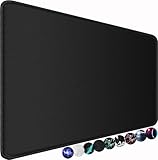
- ☑️Large And Perfect Size: Dimension of this xxl mouse pad is 31.5×15.75 inch, provides larger area to fit your keyboard and mouse and other desk items. keep a clean, uncluttered desk. this helps to improve the gaming experience for gamers or the work efficiency in the office.
- ☑️Ultra-Smooth Surface: With comfortable lycra surface and breathable material to the pads. offers a smooth tracking surface for your mouse, accurate and controllable. optimized for fast moving while maintaining excellent speed and control during work or game.
- ☑️High Stability& Durability: Featuring an anti-slip rubber base provides heavy grip prevents sliding or movement of mouse pad. professional edge stitching combined with waterproof material prevents fraying from spilled drinks and ensures longer lifespan.
- ☑️Water Resistant Coating: Effectively prevent damage from spilled drinks or other accidents. when liquid splashes on the coating surface, it will form into water drops and slide down. it’s easy to clean and will not delay your work or game.
- ☑️Durable And Comfortable Material: Material is thick and feels soft in the hand , which can help to muffling noise when you type on the pads heavily. this mouse & keyboard mat will provide you with the maximum comfort using experience. the durable stitched edges protect the pad from wear, deformation and degumming.
The problem is perception. When a game positions itself next to a polished AAA release like Assassin’s Creed Shadows, players expect a baseline level of completeness. Without clear signaling, what might be forgiven in an Early Access indie instead feels like overreach.
Steam Moderation and the Visibility Gap
None of this violates Steam’s rules, and that’s the point. Valve’s platform is designed to prioritize openness and let players sort things out through reviews and refunds. But that hands-off approach also means context arrives late, usually after a game has already gone viral or been misinterpreted.
In the case of Yasuke Simulator, the Steam page becomes a Rorschach test. Some see a harmless imitation riding a trending name. Others see a low-effort cash-in exploiting Assassin’s Creed Shadows’ discourse. Steam doesn’t clarify which reading is correct, so players fill in the blanks themselves, and that uncertainty is what keeps the conversation burning.
The Long History of Assassin’s Creed Clones, Parodies, and Opportunistic Releases
To understand why Yasuke Simulator is getting compared to Assassin’s Creed Shadows at all, you have to zoom out. Ubisoft’s franchise has spent nearly two decades establishing a recognizable mechanical and visual language, one that’s easy to echo even with limited resources. Parkour silhouettes, hooded protagonists, historical tourism, and stealth combat loops are instantly legible to players scrolling a Steam page for five seconds.
That recognizability is exactly why Assassin’s Creed has been a magnet for imitators since the Xbox 360 era. Some are earnest attempts to chase the fantasy. Others are jokes, experiments, or pure opportunism.
From Earnest Imitations to Thinly Veiled Clones
Long before Steam Greenlight, Assassin’s Creed-inspired games were popping up across PC, mobile, and console storefronts. Titles like Velvet Assassin or The Saboteur borrowed stealth-driven level design, social blending, and cinematic takedowns without matching Ubisoft’s systemic depth. They weren’t parodies, but they made it clear how portable the Assassin’s Creed formula had become.
As the series leaned harder into RPG mechanics with Origins, Odyssey, and Valhalla, that portability increased. Once stats, loot tiers, and cooldown-based abilities enter the mix, a game doesn’t need bespoke animation systems or complex crowd AI to signal familiarity. A few light attacks, a dodge with generous I-frames, and a stealth kill animation can do most of the communicative work.
The Tool Desk
Outbyte Driver Updater FREEFix the driver behind crashes, sound loss and screen glitchesFind Drivers →Outbyte PC Repair FREEClear out junk files and repair common Windows errorsFree Scan →Steam’s Asset-Flip Era and the Rise of Parody by Proximity
On modern Steam, imitation doesn’t always look like a direct clone. More often, it’s about proximity. Games adopt naming conventions, keywords, or historical framing that place them adjacent to trending releases in search results and recommendation feeds. This is where parody and opportunism blur into something harder to define.
Yasuke Simulator sits squarely in that space. Its title references a real historical figure already central to Assassin’s Creed Shadows’ marketing, and its timing ensures players draw the comparison themselves. Whether intentional satire or simple trend-chasing, the effect is the same: the game benefits from discourse it didn’t have to create.
Why Assassin’s Creed Is Especially Vulnerable to This
Few franchises are as culturally exposed as Assassin’s Creed. Each new entry sparks debates about historical accuracy, representation, combat depth, and Ubisoft’s design philosophy. That makes the series fertile ground for parody games that don’t need to say much to get attention.
In Yasuke Simulator’s case, the comparison isn’t about mechanical similarity so much as symbolic overlap. A samurai-era setting, a named historical figure, and third-person combat are enough for players to project expectations onto the game. When the Steam page lacks details about hitboxes, enemy AI routines, or progression pacing, that projection fills the gap, for better or worse.
Quick wins for a faster PC:
Fix the driver behind crashes, sound loss and screen glitchesFind Drivers →Repair Windows errors before they cause bigger problemsFix Now →Scan for outdated or missing drivers - takes under a minuteDriver Scan →What This Reveals About Platform Moderation and Player Perception
Steam doesn’t police intent. It doesn’t label parody unless the developer does, and it doesn’t intervene when a game benefits from cultural confusion rather than explicit deception. That places the burden entirely on players to parse what they’re seeing, often with incomplete information.
The result is a recurring cycle. A major AAA release looms, a smaller game appears in its orbit, and discourse ignites before anyone has touched the build. Yasuke Simulator isn’t an anomaly; it’s another data point in how modern storefronts, hype cycles, and franchise recognition intersect, especially when Ubisoft’s next big title is already under a microscope.
Steam’s Moderation Gray Zone: How Games Like This Slip Through
This is where Yasuke Simulator stops being just a weird curiosity and becomes a case study in how Steam actually functions. The platform isn’t built to judge creative intent or cultural context, only whether a game meets baseline technical and legal requirements. If it launches, doesn’t break storefront rules, and avoids direct trademark violations, it’s largely free to exist in the same discovery space as billion-dollar franchises.
Rank #4

- ULTRA-DURABLE MICRO-WOVEN CLOTH — With over 10 million sold, the SteelSeries QcK is the does-it-all surface, empowering gamers around the world and champions on the biggest esports stages to play their best.
- COMPLETE DESKTOP COVERAGE — Encompass your battlestation with a surface you can trust; empower yourself to tackle any challenge with QcK XXL coverage for your keyboard, mouse, and monitor for a clean, sleek gaming setup. 35 inches x 16 inches x .08 inches
- PINPOINT MOUSE ACCURACY — Tested by the top mouse sensor manufacturer, the high thread count and smooth surface optimizes mouse tracking accuracy for both optical and laser sensors.
- NEVER-SLIP BASE — The durable, non-slip rubber base is designed to eliminate unwanted movement and provide a solid platform for competitive gaming.
- LEGENDARY PROFESSIONAL PERFORMANCE — For the past 15 years, esports pros have trusted the QcK as their mousepad of choice, and for good reason: SteelSeries products have won more prize money than any other brand.
That gap between what’s allowed and what’s understood is where parody and imitation thrive. Steam’s systems are reactive, not editorial, and that distinction matters when a game’s visibility hinges less on mechanics and more on timing.
Do these 3 things before closing this tab:
1Clear out junk files and repair common Windows errors2Scan for outdated or missing drivers - takes under a minute3Repair Windows errors before they cause bigger problemsSteam Reviews the Build, Not the Vibes
Valve’s moderation focuses on whether a game runs, installs, and doesn’t contain prohibited content. It doesn’t evaluate whether a title is misleading in tone, opportunistic in branding, or riding the aggro of an ongoing discourse. Yasuke Simulator doesn’t need to claim Assassin’s Creed DNA outright; it just needs to exist near it.
There’s no requirement for a developer to explain intent, satire, or parody up front. If the Steam page shows functional gameplay footage and avoids false promises about systems like progression depth or combat complexity, it clears the bar. That leaves players to infer everything else from a trailer, a name, and a release window.
Search Algorithms Do the Rest
Steam’s discovery queue, tag system, and “More Like This” recommendations are blunt instruments. A samurai-era action game with tags like action, simulation, or historical will naturally surface alongside Assassin’s Creed Shadows as players browse. That proximity isn’t curated by humans; it’s generated by shared metadata and player behavior.
Once clicks start rolling in, the feedback loop accelerates. More page views lead to more algorithmic visibility, regardless of whether the comparison is flattering or critical. Even negative curiosity still feeds the system, and parody games often rely on that initial spike to justify their existence.
Parody Without the Label
True parody traditionally signals itself, either through exaggerated mechanics or explicit messaging. Yasuke Simulator doesn’t do that, at least not clearly, which places it in an uncomfortable middle ground. It borrows cultural touchstones without committing to satire, letting players debate whether it’s a joke, a cash-in, or something in between.
Steam doesn’t require a parody disclaimer, and that ambiguity is functionally valuable. It allows a game to benefit from Assassin’s Creed Shadows discourse without being accountable to it. Players expecting nuanced combat systems, readable hitboxes, or carefully tuned enemy AI may feel misled, but technically, nothing was promised.
What This Means for Assassin’s Creed Shadows Discourse
Because Assassin’s Creed Shadows is already under intense scrutiny, anything orbiting it inherits that tension. Yasuke Simulator becomes part of the conversation not because of its design merits, but because it reflects how fragmented player trust has become. For some, it’s a joke at Ubisoft’s expense; for others, it’s evidence of Steam’s increasingly porous storefront.
That’s the real gray zone. The platform allows cultural confusion to function as marketing, and players are left to sort satire from substance in real time. As long as major franchises like Assassin’s Creed dominate the hype cycle, games like Yasuke Simulator will keep slipping through, not by breaking rules, but by exploiting the spaces between them.
What’s actually slowing this PC down?
Pick the symptom - the matching free tool is one click away.
Community Reaction: Amusement, Outrage, and the Yasuke Discourse
As Yasuke Simulator started circulating through Steam queues and social feeds, the immediate response fractured into predictable camps. Some players treated it as pure meme fuel, another asset-flip oddity destined for ironic wishlists and joke streams. Others saw it as a cynical attempt to siphon attention from Assassin’s Creed Shadows at the exact moment discourse around that game is most volatile.
What makes the reaction louder than usual is timing. This didn’t surface in a vacuum; it appeared while Shadows is already being dissected frame by frame, from animation fidelity to historical framing. Yasuke Simulator becomes less about its own mechanics and more about what players project onto it.
The Meme Economy and Irony Purchases
On the amusement side, Yasuke Simulator fits neatly into Steam’s long tradition of “so bad it’s content” games. Players joke about its stiff animations, shallow combat loops, and enemies that feel more like aggro cones than actual AI. For streamers, that jank is the selling point, not a dealbreaker.
Irony purchases still count as sales, and the community knows it. Comment sections openly acknowledge that even refunding after two hours still boosts visibility, feeding the algorithm that pushed the game into relevance in the first place. It’s the same feedback loop that’s elevated countless novelty simulators before, just tethered this time to a much bigger franchise conversation.
The Tool Desk
Outbyte PC Repair FREERepair Windows errors before they cause bigger problemsFix Now →Outbyte Driver Updater FREEFix the driver behind crashes, sound loss and screen glitchesFind Drivers →Outrage, Misrepresentation, and Cultural Whiplash
The outrage side is sharper, and more personal. Critics argue that Yasuke Simulator trivializes a historical figure who is already central to heated debates around Assassin’s Creed Shadows. Without clear parody framing, the game reads to some as exploitative, using surface-level iconography without context or respect.
Best Value
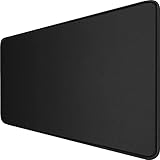
- 【Ultra Large Extended Size】The size of 31.5 x 15.7 x 0.12 inch will fit your desktop perfect, Can put your mouse, gaming keyboard and other desk items. Keep a clean, uncluttered desk. This helps to improve the gaming experience for gamers or the work efficiency in the office.
- 【Get the Best Control】Made of high elasticity natural rubber, this mouse mat is non-toxic and has no hazardous substances, safe for use. Anti-slip base can firmly grip your desktop and nylon stitched edges make the pad much more durable and longer lasting. Easily roll up the mouse pad without getting wrinkless or creases.
- 【Waterproof Coating】Effectively prevent damage from spilled drinks or other accidents. When liquid splashes on the coating surface, it will form into water drops and slide down. It’s easy to clean and will not delay your work or game.
- 【Wide Applicability】 Available for all types of mouse, LASER & OPTICAL. Ideal size for daily use. 3mm thickness to adapt to all surfaces. Whether it is Thanksgiving, Christmas or New Year's Day, this mouse desk pad is the best choice as a gift for men, women, friends, family and others.
- 【Smooth Surface】Offers a smooth tracking surface for your mouse, accurate and controllable. Optimized for fast moving while maintaining excellent speed and control during work or game.
That frustration often spills over into broader criticism of Steam’s moderation standards. Players question how easily imitation titles can ride the coattails of AAA discourse, especially when store pages are vague enough to blur expectations. The lack of clear signaling becomes the problem, not just the game itself.
The Yasuke Debate Bleeds Across Games
Yasuke as a historical figure has become a lightning rod, and Yasuke Simulator pours gasoline on that fire. Discussions about authenticity, representation, and historical grounding quickly stop being about mechanics and start echoing arguments already aimed at Ubisoft. The simulator becomes a proxy battlefield rather than a standalone product.
This bleed-over is key. Players aren’t just reacting to janky hitboxes or shallow combat; they’re reacting to what the game symbolizes within a much larger discourse. In that sense, Yasuke Simulator functions less like a parody and more like a stress test for how fragmented player perception has become.
What Player Reaction Reveals About Steam and Shadows
The polarized response highlights how Steam’s open ecosystem amplifies confusion as much as creativity. When parody, imitation, and outright cash-ins coexist without clear labeling, players are forced to do the curatorial work themselves. That labor breeds skepticism, especially when expectations are shaped by association rather than promises.
For Assassin’s Creed Shadows, this reaction is collateral damage. Yasuke Simulator doesn’t need to be good or even coherent to influence the conversation; it just needs to exist nearby. And as long as that proximity keeps driving clicks, outrage, and memes in equal measure, the community will keep arguing about what’s intentional, what’s opportunistic, and where the line should actually be drawn.
What This Says About Ubisoft, Assassin’s Creed Shadows, and Pre-Release Hype Culture
Stepping back, Yasuke Simulator doesn’t exist in a vacuum. It’s a byproduct of how loud, fragmented, and reactive modern pre-release hype has become, especially around franchises as massive as Assassin’s Creed. When discourse reaches this level of saturation, it creates an ecosystem where even low-effort releases can latch onto the conversation and generate attention.
That’s not just a Steam problem. It’s a reflection of how Ubisoft’s marketing, player skepticism, and algorithm-driven visibility all collide long before Shadows ever ships.
Free tools Windows power users keep installed
One-click scans. No signup required.
Ubisoft’s Brand Gravity Cuts Both Ways
Assassin’s Creed is so culturally dense that any adjacent title immediately gets pulled into its orbit. Yasuke Simulator isn’t being compared to Shadows because of gameplay parity, combat depth, or even genre similarity. It’s being compared because Ubisoft has already done the work of making Yasuke a focal point of industry-wide discussion.
This is the downside of brand gravity. When Ubisoft signals bold creative choices early, every imitation, parody, or asset flip inherits the discourse without earning it. The result is a distorted feedback loop where Ubisoft gets blamed for conversations it didn’t directly start, but absolutely helped enable through prolonged hype cycles.
Steam’s Parody Economy Thrives on Ambiguity
On Steam, parody games often survive in the gray zone between satire and SEO optimization. Yasuke Simulator doesn’t need tight mechanics, readable hitboxes, or even a coherent design philosophy. It needs keywords, timing, and just enough visual shorthand to trigger association in a crowded storefront.
That ambiguity is profitable. Clear parody labels would kill the confusion-driven clicks, and confusion is the currency here. Steam’s hands-off moderation allows these games to exist as algorithmic hitchhikers, feeding off larger releases without ever being held to the same expectation standards.
Outdated Drivers Are Slowing You Down
One free scan finds every outdated or missing driver and matches the right update for your exact hardware.Free scan · exact hardware matchWindows Errors? Fix Them Before They Spread
Repair common Windows errors and clear accumulated junk for a smoother, more stable PC - no reinstall needed.Free scan · no reinstallPre-Release Hype Is Now a Playable Space
What Yasuke Simulator really exposes is how pre-release hype itself has become a kind of metagame. Players aren’t just theorycrafting builds or debating DPS numbers anymore; they’re navigating discourse, intent, and credibility before a game is even playable. Every trailer, leak, or parody becomes part of that experience.
In that environment, perception matters more than polish. Ubisoft hasn’t lost control of Assassin’s Creed Shadows, but it also doesn’t fully own the conversation around it. And as long as hype remains this monetizable, expect more bizarre side-quests like Yasuke Simulator to keep spawning in the margins.
The best advice for players is simple: separate the noise from the signal. Judge Shadows on its mechanics, systems, and execution when it actually launches, not on the weird orbiters circling it now. In today’s Steam ecosystem, not every game riding the hype train deserves your aggro.
Quick Recap
Product prices and availability are accurate as of the date/time indicated and are subject to change. Any price and availability information displayed on Amazon at the time of purchase will apply.
Recommended Free Tools