
Free tools Windows power users keep installed
One-click scans. No signup required.
Yes. The Steam PC release of Prince of Persia: The Sands of Time is a Windows game that can run on Steam Deck and Linux through Valve’s Proton compatibility layer. It is not a native Linux port, and SteamDB currently rates it Playable and SteamOS Compatible. The game’s default controls and text are reported to work, but you may need to select a Proton version, call up the on-screen keyboard manually, adjust display settings, or remap controls.
What “playable” means for this game
Steam lists Prince of Persia: The Sands of Time as a Windows PC release with legacy Windows requirements. On Linux-based systems, Proton translates the Windows game’s calls so SteamOS or a desktop Linux distribution can launch it. Because the game is running through that compatibility layer, “works” does not mean that it has a native Linux executable or that every system will behave identically.
| # | Preview | Product | Price | |
|---|---|---|---|---|
| 1 |

|
Prince of Persia: The Sands of Time | $24.95 | Buy on Amazon |
| 2 |
|
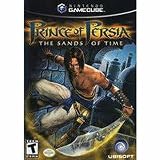
Prince of Persia: Sands of Time | $39.87 | Buy on Amazon |
| 3 |

|
Prince of Persia: The Sands Of Time | $9.00 | Buy on Amazon |
As an Amazon Associate I earn from qualifying purchases.
SteamDB’s current title record labels the game Playable, marks SteamOS: Compatible, and recommends Proton Stable. Its SteamOS checks report successful operation, accessible functionality with the default controller configuration, and legible in-game text. The same checks flag manual on-screen-keyboard use, possible compatibility warnings, and degraded performance when the game does not support the Steam Deck’s native display resolution. SteamDB records that compatibility test on 25 September 2026; that date is a test timestamp, not a player-count or success-rate statistic.
Valve’s definition of Playable allows for manual intervention. Valve describes the category as a game that “may require some manual tweaking by the user to play,” such as choosing a community controller layout or using the touchscreen for a launcher. That description matches the caveats reported for this title.
#1 Best Overall
- When a young prince discovers an ancient dagger, it leads to a great evil befalling his father's land. The only way to contain these dark powers is through the impossible feat of controlling the Sands Of Time. With no other choice, our hero aims to try. So begins a new adventure in the haunted, scorching sands of Persia.
- Twists & turns abound in this adventure, more than you'll find in the royal palace itself. Use your logical thinking skills to solve the mindbenders you'll come across
- The Prince is well-trained and it shows - Use his great acrobatic skills & fighting moves to beat the dark shadows after him
- Wield the power of the incredible Sands Of Time -- Erase past mistakes, view what you'll face in later levels, and stop time in the present
- Explore the massive landscapes of ancient Persia in this adventure of mythical proportions!
Steam Deck: what to expect
Installation and first launch
- Install the Steam version of Prince of Persia: The Sands of Time in Game Mode or Desktop Mode.
- Start the game once with Steam’s default compatibility settings. This establishes the game’s Proton prefix and shows whether your current SteamOS image launches it without intervention.
- If you need to choose the runtime, open the game’s library page, select the gear icon, open Properties, choose Compatibility, enable Force the use of a specific Steam Play compatibility tool, and select Proton Stable.
- Launch again. If the first run behaves differently from later runs, allow the initial shader or prefix setup to finish before changing several settings at once.
The exact wording or location of a Steam client control can change with SteamOS updates, but the relevant controls remain the game’s Properties and Compatibility settings. SteamDB’s current recommendation is a useful starting point rather than a guarantee that every future Proton build will behave identically.
Controls and text input
The SteamOS report says the default controller configuration exposes all functionality, so many players can begin with the standard Deck layout. If a button does nothing, an analogue direction is wrong, or a menu is difficult to navigate, open the game’s controller settings and try a Steam Input layout or a community configuration. Test one layout at a time so you can identify which mapping fixed the problem.
Some interactions require text entry. SteamDB specifically warns that you may have to invoke the on-screen keyboard manually rather than having it appear automatically. In Game Mode, press the Steam button and use the keyboard control when a text field is focused; if the field is not receiving input, tap it with the touchscreen first. A physical keyboard connected through a dock or USB adapter is an alternative when frequent text entry makes the Deck keyboard inconvenient.
Do these 3 things before closing this tab:
1Fix the driver behind crashes, sound loss and screen glitches2Clear out junk files and repair common Windows errors3Scan for outdated or missing drivers - takes under a minuteResolution and display behavior
The game predates the Deck and does not support the hardware’s native display resolution in the way a modern Deck-native title does. SteamDB therefore warns of degraded performance associated with the unsupported native resolution. This does not mean the game cannot run; it means the image may be scaled, letterboxed, or less efficient than a title designed for the Deck’s panel.
Rank #2
- Embark on a journey of scorched sands and ancient legends. A young prince, drawn to the dark powers of a magic dagger, unleashes a deadly evil upon a beautiful kingdom. Guide the Prince on his quest to reverse the curse by using the Sands of Time, a power which allows you to erase the past, see into the future and slow down the present. Perform gravity-defying acrobatics and swashbuckling attacks in a staggering array of landscapes and kingdoms. Restore peace to the land and fulfill your
When the picture is cropped, stretched, or surrounded by unwanted borders, check both SteamOS display options and the game’s own video or aspect-ratio settings. Try a supported internal resolution, keep the aspect ratio consistent, and test fullscreen versus windowed or borderless modes if those choices are available. Change one setting, return to gameplay, and then evaluate text and menus before making another change. The correct choice depends on the display mode and SteamOS version you are using.
Linux desktop: the same compatibility route
On a Linux desktop, install Steam for your distribution, sign in, install the Windows release, and let Steam use Proton. The underlying method is the same as on SteamOS: Proton supplies the Windows compatibility layer. Valve describes SteamOS as Linux-based and Proton-enabled, which is why a Steam Deck and a conventional Linux installation can use the same general approach.
Desktop results can vary more visibly than Deck results because distributions, desktop compositors, GPU drivers, kernel versions, and Proton builds differ. A game that launches immediately on one machine may need a different Proton selection or controller layout on another. Start with Proton Stable, then test another installed Proton version only if you have a specific launch, rendering, or input problem to investigate. Record which version worked before changing it again.
Recommended Free Tools
Desktop controller setup
A keyboard and mouse may work for menus while a gamepad is ignored or mapped incorrectly. Connect the controller before launching, confirm that Steam sees it in the client’s controller settings, and enable Steam Input for the game if the native mapping is unreliable. A community layout can supply bindings for menus that expect keyboard keys, but inspect every important action in-game rather than assuming a downloaded layout is correct.
Rank #3
- Condition: New
- Format: DVD
- AC-3; Color; Dolby; Dubbed; DVD; Subtitled; Widescreen; NTSC
Desktop graphics and drivers
Use the graphics driver recommended for your distribution and keep the system’s 32-bit graphics components available when your distribution requires them for older Windows games. Proton cannot compensate for a broken or incomplete driver stack. If the game opens to a black screen, renders incorrectly, or crashes as soon as a 3D scene appears, first verify the driver and Vulkan or DirectX translation support, then compare another Proton version.
Independent reader supportYour contribution helps us test, update, and keep practical guides available for everyone.Steam Deck and Linux compared
| Area | Steam Deck | Linux desktop |
|---|---|---|
| Installation path | Install from the Steam library in Game Mode or Desktop Mode; SteamOS supplies the Linux base and Proton integration. | Install Steam for the distribution, install the Windows release, and use Proton. |
| Proton starting point | SteamDB recommends Proton Stable; force it in the game’s Properties > Compatibility page if needed. | Start with Proton Stable and test another installed Proton version when launch behavior changes. |
| Controller configuration | SteamDB reports all functionality accessible with the default controller configuration, with Steam Input or a community layout available when mapping is wrong. | Controller behavior depends on the desktop, Steam Input settings, and the connected device; a community layout may be needed for keyboard-oriented menus. |
| Text entry | The on-screen keyboard may need to be invoked manually; the touchscreen or a physical keyboard can help. | Use the desktop keyboard, or a controller layout that exposes the expected keyboard commands. |
| Display handling | SteamDB warns that the title does not support the Deck’s native display resolution, so scaling or performance compromises may occur. | Resolution, scaling, compositor behavior, and driver support depend on the monitor and distribution. |
| Runtime changes | Proton versions are changed from the game’s Compatibility properties in SteamOS. | Proton versions and launch options are changed from the same Steam game properties, with more variation in available runtimes. |
A practical troubleshooting sequence
Apply the following sequence in order. It avoids changing several variables at once and makes it easier to undo a change that causes a new problem.
If the game will not start
- Close the game completely and relaunch it from Steam rather than from a shortcut.
- Open Properties > Compatibility and force Proton Stable, the runtime listed by SteamDB.
- Launch again and wait for the first-run setup to complete. If the result changes after a Proton update, note the working version before testing another.
- If a compatibility warning appears, treat it as a prompt to check the current SteamDB title record and relevant Steam community support topics, not as proof that the game is unplayable.
If the controller does not work correctly
- Confirm that Steam detects the controller before the game starts.
- Enable Steam Input for the title and try the default configuration first.
- If a menu expects keyboard keys, select a community layout that supplies those keys and verify its bindings in each menu.
- On Deck, use the touchscreen for a launcher or menu that does not respond to the analogue controls.
If text cannot be entered
- Focus the text field with the touchscreen or controller.
- Invoke the Steam on-screen keyboard manually; SteamDB lists this as a known possibility for the title.
- On a desktop, use the physical keyboard or connect one to the Deck through a dock or adapter if repeated entry is required.
If the image is cropped, stretched, or slow
- Try a supported in-game resolution and verify the aspect-ratio setting.
- Switch between fullscreen and windowed or borderless modes when the game offers those options.
- On Deck, remember that the title does not support the device’s native display resolution; scaling and performance compromises are therefore possible.
- On Linux desktop, check the GPU driver and compositor before assuming the Proton version is the sole cause.
What the compatibility labels do—and do not—promise
SteamOS Compatible indicates that the title passed SteamOS checks recorded by SteamDB. For this game, those checks include successful operation, usable default controls, and legible text. Playable is deliberately less absolute than Verified: Valve’s definition permits manual tweaks, touchscreen use, or a community configuration. It does not promise a fixed frame rate, native-resolution rendering, automatic keyboard pop-up, or identical behavior across every Proton release and Linux driver combination.
The 25 September 2026 SteamDB test date is the most precise current compatibility marker available for this title. SteamOS, Steam client, GPU drivers, and Proton continue to change, so a later update can alter launch or input behavior without changing the underlying fact that this is a Windows release running through Proton.
Bottom line for prospective players
Prince of Persia: The Sands of Time is a reasonable Steam Deck and Linux purchase if you accept compatibility-layer play and occasional setup work. Install the Windows Steam release, begin with Proton Stable, and use Steam Input when controls need adjustment. Expect to call up the on-screen keyboard yourself when text input is required, and be prepared to tune resolution or aspect ratio because the game was not designed for the Deck’s native display. Those qualifications explain its Playable label; they do not negate the current report that it runs on SteamOS with functional default controls and readable text.
Quick Recap
Product prices and availability are accurate as of the date/time indicated and are subject to change. Any price and availability information displayed on Amazon at the time of purchase will apply.

