
Free tools Windows power users keep installed
One-click scans. No signup required.
Start with Calvin and Hobbes if what you love about Peanuts is childhood imagination, friendship and emotional warmth. Pick FoxTrot for a suburban family ensemble and pop-culture jokes, Garfield for compact animal-centered gags, or Pogo for denser language and social satire. These are recommendations by reading fit, not a sales or popularity ranking.
Which comic strip should you read after Peanuts?
The closest overall follow-up is Calvin and Hobbes. Like Peanuts, it treats a child’s inner life seriously, finds humor in friendship and uses a small cast to explore feelings that are larger than the panel. Its viewpoint is more intensely imaginative and its central relationship is a boy and his companion rather than a broad school-and-family ensemble.
| # | Preview | Product | Price | |
|---|---|---|---|---|
| 1 |
|
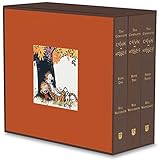
The Complete Calvin and Hobbes | $164.52 | Buy on Amazon |
| 2 |

|
The Essential Calvin and Hobbes: A Calvin and Hobbes Treasury (Volume 1) | $10.58 | Buy on Amazon |
| 3 |

|
The Calvin and Hobbes Portable Compendium Set 1 (Volume 1) | $9.67 | Buy on Amazon |
| 4 |

|
Calvin and Hobbes | $8.73 | Buy on Amazon |
| 5 |

|
The Indispensable Calvin and Hobbes: A Calvin and Hobbes Treasury | $11.74 | Buy on Amazon |
As an Amazon Associate I earn from qualifying purchases.
Choose among the other three alternatives according to the specific part of Peanuts you want to keep:
PC Slower Than It Used to Be?
A free scan shows the junk files, broken settings and background clutter dragging Windows down - then fixes them in one click.Free scan · Windows 10 & 11Outdated Drivers Are Slowing You Down
One free scan finds every outdated or missing driver and matches the right update for your exact hardware.Free scan · exact hardware match| Try this strip | Best match for a Peanuts reader who wants… | Main difference | Reading status |
|---|---|---|---|
| Calvin and Hobbes | A child protagonist, vivid imagination, friendship and emotional warmth | A focused two-character relationship and frequent fantasy shifts instead of a larger ensemble | Completed newspaper run; collected books are the practical way to read it in sequence |
| FoxTrot | Family life, school situations and contemporary pop-culture references | A six-member suburban family and more topical collision-based humor | New strips are published every Sunday; many paperback collections and larger anthologies exist |
| Garfield | Short, repeatable setups and punch lines centered on an animal | A tighter gag rhythm and narrower character focus than Peanuts | Long-running syndicated strip with collected editions |
| Pogo | Classic newspaper cartooning, wordplay and social observation | More linguistically dense, satirical writing and a more literary visual tradition | Earlier classic; collections are the usual entry point |
No reliable, current statistic compares sales or readership across all four strips, so none can be called objectively the “most popular” alternative. The useful question is which combination of cast, humor, setting and language suits you.
#1 Best Overall
Why Peanuts has such a distinctive feel
Charles M. Schulz’s strip began daily newspaper publication on October 2, 1950. TIME’s account traces it to Schulz’s earlier work, Li’l Folks, and notes that the syndicate selected the name Peanuts before publication even though Schulz objected to it. That origin matters because the strip entered an established newspaper tradition rather than appearing as an isolated children’s feature.
The Library of Congress places Peanuts within the historical newspaper comic-strip format, alongside examples such as Bringing Up Father and Li’l Abner. In practice, that means its short daily units can stand alone while a recurring cast gradually accumulates emotional history. A reader can laugh at a single exchange, then notice how the same school, family and friendship tensions keep changing over time.
Most alternatives diverge from Peanuts along a few clear axes:
- Cast size: Peanuts distributes attention among several children and adults; some alternatives concentrate on one character or one relationship.
- Humor rhythm: Schulz often allows a pause, a failed attempt or a quietly painful ending. Other strips drive more directly toward a setup and punch line.
- World-building: Peanuts uses an everyday child’s environment with occasional flights of imagination. Calvin and Hobbes makes the imaginative world itself a major subject.
- Language density: The dialogue is generally plain and immediately readable. Pogo asks more from readers through wordplay, dialect and satire.
- Publication state: A completed run, a continuing Sunday feature and a long-running gag strip create different ways to begin collecting.
Calvin and Hobbes: the closest imaginative successor
Why it fits
Calvin and Hobbes is the strongest first recommendation for someone who responds to the emotional center of Peanuts. Its child protagonist has an expansive inner world, and the bond at the center of the strip gives jokes a durable emotional base. The appeal is not simply that both strips feature children; both use a child’s perspective to examine fear, loyalty, loneliness, pride and the rules imposed by adults.
The syndication history dates the newspaper arrival of Calvin and Hobbes to 1985. Andrews McMeel’s corporate timeline records introducing Bill Watterson’s strip and publishing the first Calvin and Hobbes book. Those collected books are now the natural format for a reader who wants to move through the completed run rather than search for individual newspaper appearances.
What changes from Peanuts
The comparison is imagination and friendship versus Peanuts’ broader ensemble viewpoint. In Peanuts, the social world of schoolmates, siblings and adults creates a rotating set of conflicts. Calvin and Hobbes repeatedly returns to the imaginative and philosophical possibilities generated by its central child-and-companion relationship. Scenes can move from an ordinary household problem to an adventure, a private theory or a debate about how the world should work.
Rank #2
That focus makes the strip feel more continuous from one sequence to the next, even when each newspaper unit remains readable on its own. It also means that readers looking specifically for a large school ensemble may find the social texture narrower than Schulz’s.
The Tool Desk
Outbyte PC Repair FREEClear out junk files and repair common Windows errorsFree Scan →Outbyte Driver Updater FREEScan for outdated or missing drivers - takes under a minuteDriver Scan →How to read it
- Begin with a collected book rather than isolated scans. The run is complete, and books preserve the intended sequence of recurring relationships and long-form newspaper story arcs.
- Read several strips in one sitting. A single gag demonstrates the premise; a larger group shows how imaginative play, family pressure and friendship develop together.
- Expect a finished body of work. There is no need to wait for new installments or arrange a current newspaper subscription.
FoxTrot: the family-and-school alternative
Why it fits
The official creator description defines FoxTrot as a strip about a chaotic suburban family made up of three children, two parents and one iguana, with frequent collisions involving pop culture, school, everyday life and one another. That setup makes it the best choice when your favorite Peanuts moments involve a group of children negotiating family expectations, homework, status and changing interests.
Bill Amend’s strip launched in newspapers on Sunday, April 10, 1988, according to the official FoxTrot FAQ. It is syndicated to newspapers and other print and online publications, and new strips are currently published every Sunday. The ongoing schedule gives it a different reading rhythm from a completed strip: you can sample a current installment, then work backward through collections.
What changes from Peanuts
The comparison axis here is family ensemble and contemporary references versus Peanuts’ quieter child psychology and recurring school setting. FoxTrot has more explicit household structure: parents, siblings and an iguana create built-in opportunities for alliances and interruptions. Pop-culture references also make the strip feel more tied to the period in which an individual sequence was written.
Readers who prefer humor that resolves through a recognizable family collision may find FoxTrot more immediately energetic. Readers who value Peanuts’ pauses, ambiguity and emotional understatement should expect a busier surface and more reference-driven jokes.
Do these 3 things before closing this tab:
1Fix the driver behind crashes, sound loss and screen glitches2Clear out junk files and repair common Windows errors3Scan for outdated or missing drivers - takes under a minuteHow to choose a collection
The creator’s site says several dozen paperback collections have been published and recommends a larger anthology as the easiest way for a new reader to continue. For a first purchase, look for a paperback collection if you want a manageable sample of one period, or choose the larger anthology if you want broader coverage before deciding which eras or family members you prefer. Verify the edition, seller and availability at the time you buy; those details can change.
Garfield: the compact animal-gag route
Why it fits
Garfield is the right next strip when the pleasure you want is a dependable setup-and-punch-line rhythm built around an animal character. Andrews McMeel’s official syndication history records Garfield joining its catalog in 1994. The Cartoon Art Museum also discusses Garfield among major later comic-strip creators and titles in the same historical context as Peanuts and Pogo.
Where Schulz often lets a conversation expose a character’s vulnerability, Garfield usually concentrates the joke around the cat’s appetite, laziness, self-regard or friction with the people and animals around him. The narrower focus makes individual strips easy to sample in any order and easy to share.
What changes from Peanuts
The comparison is repeated single-character gags versus Peanuts’ broader cast and reflective pauses. Garfield does not ask you to track a school community’s shifting emotional alliances in the same way. Its strength is consistency: a familiar character enters a recognizable situation and the strip reaches its comic turn quickly.
Choose it if you want a lighter reset after the more psychologically open endings of Peanuts. Choose Calvin and Hobbes instead if your priority is an evolving child’s imagination and a relationship that carries emotional development across many strips.
How to read it
- Sample randomly first. Because the strips are designed for newspaper publication and self-contained gags, a current or secondhand collection can provide a representative introduction.
- Use chronological order only if you want historical context. The basic joke engine is accessible without starting at the beginning.
- Compare the pacing. Read a page of Garfield beside a page of Peanuts and note how quickly each strip establishes its premise and how much room it leaves after the punch line.
Pogo: the literary and satirical alternative
Why it fits
Walt Kelly’s Pogo is the choice for readers who want an earlier classic with more verbal density and social observation. The Cartoon Art Museum places Kelly’s strip beside Schulz’s Peanuts in its account of classic comic-strip art. That shared historical standing does not mean the reading experience is similar; Pogo is deliberately more demanding on the page.
Its appeal lies in wordplay, satire and a literary visual tradition. Instead of relying on plainspoken dialogue and emotional understatement, it rewards attention to phrasing, voices and the social implications behind an apparently playful exchange.
Rank #4
What changes from Peanuts
The comparison axis is verbal density and satire versus Peanuts’ direct dialogue and emotional restraint. Readers moving from Schulz should expect to slow down, reread lines and allow context to accumulate. The extra effort is the point: jokes can operate simultaneously as character comedy, linguistic play and commentary on public life.
What’s actually slowing this PC down?
Pick the symptom - the matching free tool is one click away.
Pogo is therefore not the closest substitute if you want another simple, everyday child-centered strip. It is the better alternative when you want to understand how much a newspaper comic can do with language, caricature and social observation.
How to approach it
- Start with a collection that gives you enough consecutive material. A handful of isolated panels can make the language seem opaque; sustained reading lets voices and recurring situations become familiar.
- Read aloud when a line feels unusually constructed. Rhythm and sound often carry part of the joke.
- Accept a slower first pass. The strip’s density is a feature, not a failure of accessibility, but it rewards patience more than a quick daily skim.
Side-by-side comparison for different reading moods
| Decision point | Peanuts | Calvin and Hobbes | FoxTrot | Garfield | Pogo |
|---|---|---|---|---|---|
| Primary social unit | Rotating child ensemble with school and family settings | Child protagonist and companion, with family and adult pressures around them | Three children, two parents and an iguana in a suburban household | Animal-centered household and recurring supporting characters | Character ensemble used for wordplay and social observation |
| Humor engine | Conversation, failed expectations, pauses and emotional reversals | Imaginative play, philosophical arguments and friendship | Family collisions, school life and pop-culture references | Compact setups and punch lines | Satire, dialect, verbal play and layered references |
| Imagination | Present but grounded in an everyday child’s world | Central subject and frequent point of view | Used within family and school situations | Secondary to the gag premise | Expressed through literary and satirical invention |
| Language difficulty | Plainspoken and immediately accessible | Accessible dialogue with imaginative and philosophical turns | Conversational, with topical references | Very direct setup-and-punch-line wording | Denser, more wordplay-heavy and sometimes dialectical |
| Publication state | Classic newspaper strip | Completed run | Ongoing Sunday publication | Long-running syndicated strip | Earlier classic |
| Best starting format | Any representative collection | Collected books in sequence | Paperback collection or larger anthology | Any convenient collection for sampling | A sustained collection rather than isolated panels |
Choose by the part of Peanuts you miss most
If you want childhood imagination
Choose Calvin and Hobbes. It gives imagination enough space to become a setting, an argument and a way of testing adult rules. The completed run also makes it easy to read deeply without waiting for new material.
If you want friendship and emotional warmth
Start with Calvin and Hobbes, then try FoxTrot if you prefer that warmth distributed across a family. The first centers the child-and-companion bond; the second creates affection through sibling, parent and household friction.
If you want school and family situations
Pick FoxTrot. Its official description explicitly combines school, family life and collisions with one another, making it the most direct substitute for the everyday social situations that structure many Peanuts strips.
Quick wins for a faster PC:
Repair Windows errors before they cause bigger problemsFix Now →Scan for outdated or missing drivers - takes under a minuteDriver Scan →If you want faster, more concentrated jokes
Pick Garfield. Its animal-centered premise and repeated gag rhythm make it the least demanding option for short reading sessions.
If you want classic cartooning with more satire
Pick Pogo. It asks for closer attention but offers richer verbal and social layers than a straightforward gag strip.
How publication history affects what you read next
Peanuts began in the daily newspaper environment of 1950, a format designed for brief, repeatable encounters. That context explains why a reader can enter through almost any collection while still finding recurring emotional patterns. The Library of Congress’s historical framing places the strip within a larger American newspaper tradition rather than treating it as a standalone book series.
Calvin and Hobbes arrived in newspapers in 1985 and has a completed run with an established collected-book history. If you want a finite project, it is the clearest choice: obtain the books and read through them without needing to track an active publication schedule.
FoxTrot debuted on April 10, 1988, remains a Sunday strip and has several dozen paperback collections. Its current Sunday schedule lets you combine a continuing feature with back-catalog reading. A larger anthology is the easiest entry according to the creator’s site, while an individual paperback can be better if you want a smaller commitment.
Garfield is documented as joining Andrews McMeel’s catalog in 1994. Because the strip’s core units are compact gags, you can begin with almost any available collection and decide later whether you want to explore its publication history.
Pogo belongs to the earlier classic tradition discussed by the Cartoon Art Museum. A collection is preferable to random single panels because its language, satire and recurring voices become easier to follow over consecutive pages.
A practical reading and buying path
- Identify your preferred axis. Decide whether you want imagination and friendship, family and school, fast animal gags, or dense satire.
- Choose the matching strip. Use Calvin and Hobbes for the first option, FoxTrot for the second, Garfield for the third and Pogo for the fourth.
- Buy or borrow a format suited to its publication state. Use collected books for the completed Calvin and Hobbes run, a paperback or anthology for FoxTrot, a convenient sample collection for Garfield and a sustained collection for Pogo.
- Read enough consecutive material to test the fit. Ten or more pages reveal pacing and character texture better than a single famous panel.
- Switch strips if the mismatch is structural. If you like the jokes but not the cast size, move from Calvin and Hobbes to FoxTrot; if the language feels too dense, try Garfield; if the jokes feel too quick, try Pogo.
When shopping for physical copies, search for the strip name plus “book collection,” “paperback collection” or “anthology,” then check the edition, seller and availability before ordering. Collection names and stock vary, especially for older newspaper strips.
Recommended Free Tools
What these alternatives cannot replace
No substitute reproduces every part of Peanuts. Its particular balance comes from combining a rotating child ensemble, plain dialogue, recurring school and family spaces, and endings that can be funny without resolving the underlying problem. Calvin and Hobbes moves the center toward imagination and one defining friendship. FoxTrot makes the family structure explicit and leans harder on contemporary references. Garfield narrows the cast and accelerates the gag. Pogo increases linguistic and satirical complexity.
That is why “closest” depends on the reader. If emotional warmth and a child’s perspective are non-negotiable, begin with Calvin and Hobbes. If the ensemble and domestic setting matter more, begin with FoxTrot. If you mainly want a reliable laugh in a few seconds, begin with Garfield. If you want to see how far classic newspaper cartooning can stretch language and social commentary, begin with Pogo.
Quick Recap
Product prices and availability are accurate as of the date/time indicated and are subject to change. Any price and availability information displayed on Amazon at the time of purchase will apply.

