
What’s actually slowing this PC down?
Pick the symptom - the matching free tool is one click away.
Usually, yes. If you cast a concentration spell by expending a spell slot, that slot is spent as part of casting the spell. Concentration itself does not consume a second slot; it is the ongoing requirement that keeps certain spells active. A spell, class feature, item, or other rule can let you cast without expending a slot, so the exact wording of the ability always controls.
That answer applies to the fifth-edition rules reflected in the 2014 and 2024 Basic Rules. The two versions phrase some timing rules differently, especially for spells with long casting times, so the distinction matters when a casting is interrupted.
As an Amazon Associate I earn from qualifying purchases.
The three mechanics you must keep separate
The phrase “concentration spell” combines two separate parts of the rules: how a spell is cast and how its magic is maintained. A third rule governs spells that take a long time to cast. Confusing those systems is what produces most arguments about whether concentration uses a slot.
The Tool Desk
Outbyte PC Repair FREEClear out junk files and repair common Windows errorsFree Scan →Outbyte Driver Updater FREEScan for outdated or missing drivers - takes under a minuteDriver Scan →1. Casting the spell can expend a slot
When a character casts a spell using the normal spellcasting rules, the applicable spellcasting feature determines whether a spell slot is required. Under the 2014 Basic Rules, the general rule is that the caster expends a slot of the spell’s level or higher when casting it. The slot is the casting resource; it is not a payment for each round of concentration.
#1 Best Overall

- UNLEASH NEW POSSIBILITIES—Introducing the 2024 Player’s Handbook, the new and improved guide for fifth edition Dungeons and Dragons. Redesigned with 10 years of feedback from the D and D community, the essential Dungeons and Dragons rulebook is bigger and better than ever before
- NEW CHARACTER OPTIONS YOU’LL LOVE—Create unforgettable characters with 12 core classes, 48 intriguing subclasses, and 10 distinctive species. Buff up your character’s backstory with 16 compelling backgrounds and 75 fantastic feats.
- STUNNING ARTWORK—With vibrant new illustrations of every single character class, subclass, background, species, weapon, and armor, our thrilling artwork also features new and familiar spells, brought to life for the first time ever.
- FRESH and ENGAGING GAMEPLAY—Change up your combat style with fascinating new Weapon Masteries for your character class. Our new Tools and Crafting system lets you use your tools to craft items and impact travel and exploration.
- DESIGNED JUST FOR YOU—We’ve thoughtfully redesigned this book with an improved layout, better organization, and an alphabetized Rules Glossary. Find whatever you’re looking for with ease
For example, if a spell’s entry says its duration is “Concentration, up to 1 minute,” you normally spend the appropriate slot once when you cast it. If you continue concentrating for six rounds, you do not spend six slots. If you maintain the spell for its full duration, no additional slot is charged merely because concentration lasted longer.
2. Concentration maintains the spell after it is cast
“Concentration” appears in a spell’s Duration entry. It tells you that the caster must keep concentrating to sustain the spell’s magic. Losing concentration ends that spell, but it does not refund the slot that was already spent to cast it. The spell ending early and the spell slot being expended are separate events.
Concentration also is not a second action, bonus action, or reaction that you must pay for on later turns. Once the spell has been successfully cast, your character simply remains subject to the concentration rules while the spell lasts.
3. A long casting time can require concentration before the spell exists
Some spells take a minute or longer to cast. In that situation, concentration can be required during the casting process itself, before the spell’s effect has been completed. This is different from maintaining a spell that is already active.
Rank #2

- COMPLETE YOUR COLLECTION—Get all three 2024 Core Rulebooks and discover new character options you’ll love, creative world-building inspiration, stunning artwork, and monsters galore
- STUNNING ARTWORK—Delight in spectacular new artwork for character classes, subclasses, weapons, armor, legendary D&D figures, almost every monster, and so much more
- FRESH & ENGAGING GAMEPLAY—Change up your combat style with fascinating new Weapon Masteries for your character class. Our new Tools and Crafting system lets you use your tools to craft items and impact travel and exploration
- NEW CHARACTER OPTIONS YOU’LL LOVE—Create unforgettable characters with 12 core classes, 48 intriguing subclasses, and 10 distinctive species. Buff up your character’s backstory with 16 compelling backgrounds and 75 fantastic feats
If that pre-completion concentration is broken, the casting fails and the slot is not expended under the cited 2014 and 2024 rules. In other words, an interrupted long casting is not the same as successfully casting a spell and then losing concentration. The first case leaves the slot available; the second normally does not.
What happens when you cast a concentration spell
- Read the spell’s casting requirements. Check the spell level, casting time, components, range, and whether a slot or another feature is being used.
- Begin the casting. If the spell is being cast through ordinary spellcasting, expend the applicable slot according to the rule that governs your character.
- Resolve the casting time. A spell with a normal action or reaction casting time resolves in that casting window. A spell with a minute-or-longer casting time may require concentration while you complete it.
- Apply the spell’s duration. If the duration includes “Concentration,” the spell now occupies your concentration until it ends, the duration expires, or a rule breaks your concentration.
- Track only the concentration requirement. Continuing to concentrate does not spend another slot and does not create a recurring resource cost.
The critical timing question is whether the spell has finished casting. Before completion, breaking concentration can make the casting fail without expending the slot. After completion, losing concentration ends the active spell, while the slot normally remains spent.
How concentration can end during play
Casting another concentration spell
Under the 2014 Basic Rules, you cannot concentrate on two spells at once. If you begin concentrating on a second concentration spell, your concentration on the first ends. The first spell does not continue in the background, and you do not pay an extra slot to end it; you simply replace one concentration effect with another.
Do these 3 things before closing this tab:
1Scan for outdated or missing drivers - takes under a minute2Repair Windows errors before they cause bigger problems3Fix the driver behind crashes, sound loss and screen glitchesThe same practical decision applies when choosing a no-slot spell. If a feature lets you cast a concentration spell without spending a slot, that exception changes the casting cost, not the one-concentration limit. A free casting can still end a concentration spell you were already maintaining.
Rank #3
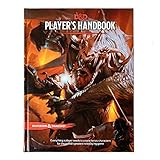
- The essential rulebook for Dungeons & Dragons (5th edition)
- Contains all the rules you need to know to play D&D
- Step-by-step guide to creating and leveling up characters
- Go-to player reference for over 350 spells, equipment, and more
- 1 of 3 D&D Core Rulebooks—the Player’s Handbook (rules for playing the game), the Dungeon Master’s Guide (how to run the game), and Monster Manual (creatures to encounter in your game)
Taking damage
Under the 2014 concentration rules, taking damage can force a Constitution saving throw to maintain concentration. The required check is part of keeping the existing spell active; it is not a new spell-slot expenditure. If the saving throw fails, the spell ends immediately.
Apply the saving throw after the damaging event, using the concentration procedure in the rules for the character’s edition and table. Multiple separate sources of damage can require separate checks when the rules call for them, so a character may have to defend concentration more than once in a round.
Incapacitation or death
The 2014 rules also end concentration when the caster becomes incapacitated or dies. This is an automatic loss of the maintained effect. It does not matter whether the original spell used a slot, a feature, or another casting method; the concentration condition is what ends the spell.
For an edition-specific ruling, use the current text at your table. The important resource distinction remains the same: losing concentration stops the spell but does not turn the original casting into an unspent slot.
Rank #4

- NIFTY RESOURCES FOR DUNGEON MASTERS—We've packed this book with incredibly useful tools and advice for Dungeon Masters of all levels. Make your game sessions special with over 400 total and 18 new magic items, practical solutions for common Dungeon Master pitfalls, and Greyhawk, a customizable premade campaign setting.
- WONDERFUL WORLDBUILDING INSPIRATION—Introduce inspiring new mechanics into your game! Tinker away with revised rules for crafting magic items, creating NPCs, and more. Excite your party and keep them engaged between sessions with the new system for bastions, which are strongholds built and controlled by players.
- STUNNING ARTWORK—Delight in spectacular artwork featuring new magic items, legendary D&D figures, cinematic fantasy landscapes, a double-sided poster map of the Greyhawk setting, and more!
- LEVEL UP YOUR DUNGEON MASTER EXPERIENCE—We’ve built useful handouts and resources to help you keep track of your campaigns and added a Lore Glossary that helps you easily find information about key D&D characters and locations.
- PART OF THE 2024 CORE COLLECTION—1 of 3 revised Dungeons & Dragons core rulebooks, the 2024 Dungeon Master’s Guide is designed for use with the fifth edition 2024 Player’s Handbook and 2024 Monster Manual
2014 and 2024 rules: what changed and what did not
Both editions support the basic answer that concentration is a maintenance requirement rather than a separate slot cost. Their wording is not identical, however, and the differences matter in edge cases.
| Rule point | 2014 Basic Rules | 2024 Basic Rules |
|---|---|---|
| Ordinary slot casting | The general spellcasting rule says a caster expends a slot of the spell’s level or higher when casting a spell, unless a specific rule says otherwise. | Spellcasting rules still determine whether a slot is used; concentration is not presented as an additional resource. |
| Long casting times | A spell with a casting time longer than an action or reaction can require concentration during casting. If concentration breaks before completion, the casting fails without expending the slot under the cited rule. | The Basic Rules describe concentration during castings of a minute or more. If concentration breaks before completion, the casting fails without expending the slot. |
| Concentrating on two spells | The rule states, “You can’t concentrate on two spells at once.” | Use the concentration rule in the 2024 spellcasting text for the same practical limitation; one active concentration effect remains the relevant default. |
| Slots per turn | No equivalent one-slot-per-turn statement is identified in the supplied 2014 comparison. | The 2024 Basic Rules state that a character can expend only one spell slot to cast a spell on a turn. |
The 2024 one-slot-per-turn rule is independent of concentration. It limits slot expenditure on a turn; it does not mean that concentrating on a spell consumes a slot every turn, nor does it prohibit maintaining a concentration spell that was cast earlier.
When a concentration spell does not use a slot
The word “concentration” never overrides a more specific casting rule. If an ability says that a spell is cast without expending a spell slot, follow that ability. The same is true for any spell, item, or other feature that supplies a different casting method.
PC Slower Than It Used to Be?
A free scan shows the junk files, broken settings and background clutter dragging Windows down - then fixes them in one click.Free scan · Windows 10 & 11Outdated Drivers Are Slowing You Down
One free scan finds every outdated or missing driver and matches the right update for your exact hardware.Free scan · exact hardware match- Specific wording beats the general rule. A no-slot instruction changes the cost of that casting only as far as its text says.
- Concentration still applies. If the spell’s duration requires concentration, you must still maintain it after the free or alternative casting.
- One concentration effect remains the default. Casting through an exception does not normally let you maintain two concentration spells simultaneously.
- Check limits and timing. A feature may restrict the spell’s level, number of uses, action type, target, or duration. Do not generalize one exception to every casting of that spell.
The supplied official rules do not provide an inventory of every class feature, magic item, or special exception. For a character-specific ruling, read the exact spellcasting feature and the spell entry together.
Best Value

- ALL THE TOOLS: The Dungeons & Dragons Core Rules Gift Set includes a copy of all three core rulebooks (Player's Handbook, Dungeon Master's Guide, Monster Manual) plus a Dungeon Master's Screen, all collected in a stylish slipcase. It's the perfect gift for any D&D fan.
- PLAYER'S HANDBOOK: The essential reference for every D&D player, the Player's Handbook contains rules for character creation and advancement, backgrounds and skills, exploration and combat, equipment, spells, and much more.
- DUNGEON MASTER'S GUIDE: Teaches how to run D&D adventures for other players and how to give them monsters to fight, mysteries to solve, and fantasy worlds to explore.
- MONSTER MANUAL: Helps the Dungeon Master (the game's narrator) fill games with iconic fantasy creatures. Includes details and rules for over 400 monsters from goblins to dragons, with over 150 illustrations.
- DUNGEON MASTER'S SCREEN: Helps the Dungeon Master keep die rolls and notes hidden from players. Plus, the inside is filled with quick references for the most commonly used in-game information to help keep things running smoothly..UNLEASH YOUR IMAGINATION: Dungeons & Dragons is a cooperative storytelling game that harnesses your imagination and invites you to explore a fantastic world of adventure, where heroes battle monsters, find treasures, and overcome quests.
Worked situations at the table
You cast a concentration spell with a normal action
You choose a concentration spell, meet its components and target requirements, and cast it with an action. Because you are using ordinary spellcasting, you expend the appropriate slot. The spell then requires concentration. On later turns, you spend no additional slots to keep it active. If the duration ends naturally, the spell stops without any further resource change.
You lose concentration after the spell succeeds
After the spell has been successfully cast, you take damage and fail the required Constitution saving throw. The spell ends at that point. The slot used for the successful casting was already spent; losing concentration does not restore it.
You start a second concentration spell
You are maintaining one concentration spell and cast another spell whose duration also requires concentration. Your concentration shifts to the new spell, and the first spell ends under the default rule. You do not spend a special “concentration slot.” You spend only whatever the second spell’s casting method requires.
Recommended Free Tools
Your minute-long casting is interrupted
You begin a spell that takes at least a minute to cast and must concentrate while completing it. Before the casting finishes, an event breaks your concentration. The casting fails, and the cited 2014 and 2024 rules say the slot is not expended. This exception applies because the spell was never completed, not because long-duration concentration is free.
A feature grants a slot-free casting
An ability explicitly says you can cast the spell without expending a slot. That instruction controls the resource cost. If the spell still lists concentration in its Duration entry, you must maintain concentration normally, and casting another concentration spell can still end it.
Common misconceptions and the precise correction
- “Concentration is a slot type.” No. Spell slots are a casting resource; concentration is a condition for sustaining certain durations.
- “A concentration spell costs one slot every round.” No. The slot is normally used for the casting, not for each round of upkeep.
- “If concentration ends, the slot comes back.” Not normally. The failed concentration ends the spell; it does not undo a completed casting.
- “A free casting bypasses concentration.” Not unless the specific rule says so. No-slot language changes slot expenditure, while the spell’s Duration entry still determines whether concentration is required.
- “The 2024 one-slot-per-turn rule means concentration is limited to one round.” No. That rule concerns how many slots you can expend to cast spells on one turn, not how long a concentration spell can remain active.
- “Breaking concentration during a long casting is the same as dropping an active spell.” No. Before completion, the casting fails without expending the slot under the cited rules; after completion, the active spell ends and the spent slot normally remains spent.
A reliable way to check any specific spell
- Read the Duration line. If it says “Concentration,” identify the maximum duration and note that ongoing maintenance is required.
- Read the Casting Time line. Determine whether concentration is required only after completion or also during a minute-or-longer casting.
- Identify the casting source. Decide whether you are using a normal spell slot, a cantrip-like rule, a class feature, an item, or another special permission.
- Apply the slot instruction. Expend the slot if the governing rule requires one; do not expend one when a specific rule says the casting is slot-free.
- Check concentration events. Track damage checks, incapacitation or death, and whether you cast another concentration spell.
- Apply the edition at your table. Use the 2014 or 2024 wording your game has adopted, especially for long casting times and the 2024 one-slot-per-turn restriction.
Using that sequence prevents the most common error: treating the duration requirement as though it were an additional cost. The spell’s casting rule answers whether a slot is used; the Duration entry answers whether concentration must be maintained afterward.
Quick Recap
Product prices and availability are accurate as of the date/time indicated and are subject to change. Any price and availability information displayed on Amazon at the time of purchase will apply.

