
Dead Cells is the clearest answer if you want a roguelike Metroidvania on Nintendo Switch. Nintendo calls it a “Roguevania,” combining an interconnected world, branching routes, unlockable skills and permadeath. Rogue Legacy 2 is the better fit if your priority is persistent progression between attempts, while Bloodstained: Ritual of the Night is a conventional Metroidvania-style action RPG rather than a direct roguelike hybrid.
The three games are useful comparisons because they show that “roguelike Metroidvania” is not one fixed formula. The important differences are how much each run changes, what survives failure, whether abilities open new routes, and how strongly the game centers combat challenge.
| # | Preview | Product | Price | |
|---|---|---|---|---|
| 1 |

|
Dead Cells: Return to Castlevania Edition Nintendo Switch | $28.40 | Buy on Amazon |
| 2 |

|
Dead Cells - Action Game of The Year - Nintendo Switch | $30.97 | Buy on Amazon |
| 3 |
![Dead Cells - Nintendo Switch [Digital Code]](https://m.media-amazon.com/images/I/51HXJorAjyL._SL160_.jpg)
|
Dead Cells - Nintendo Switch [Digital Code] | $24.99 | Buy on Amazon |
| 4 |
|
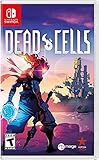
Dead Cells - Nintendo Switch | $34.95 | Buy on Amazon |
As an Amazon Associate I earn from qualifying purchases.
What does “roguelike Metroidvania” mean on Switch?
The phrase combines two related but distinct design traditions. A Metroidvania usually gives you an interconnected map, areas that cannot initially be reached, and abilities that let you return to earlier locations and pass those barriers. Exploration and backtracking are part of the progression loop.
A roguelike or rogue-lite usually asks you to make repeated attempts. Failure ends the current attempt, layouts or encounters may change, and the player learns from each run. Many modern games preserve some upgrades or knowledge, so the strict distinction between “roguelike” and “rogue-lite” is less important for a buyer than understanding what remains after death.
#1 Best Overall
- 17 Levels - Each one with its own atmosphere, foes and secrets to discover
- 5 Bosses - Made by the most sadistic of the devs, raised on the salt of the testers
- 150 or so weapons and skills - Spears, swords, bows, magic spells, shields, pets, frying pans etc; You name it, we got it
- Unlock the four original Dead Cells DLCs, giving you late-game content plus an entire new pathway to follow, with an alternative ending and tons of new enemies, weapons & outfits
- Battle through the corridors of Dracula’s Castle; Wield weapons against monsters to reach the throne room of the Dark Lord
A roguelike Metroidvania therefore mixes repeatable runs and meaningful failure with connected exploration and ability-based advancement. The balance can vary: one game may randomize most routes, another may keep a more recognizable world but make progression highly persistent.
Which Switch games fit the label best?
| Game | How the official description frames it | Progression emphasis | Best interpretation of the genre |
|---|---|---|---|
| Dead Cells | Nintendo describes it as a “Roguevania” with an interconnected world, branching paths, unlockable skills and permadeath. | Learning from runs, choosing routes and unlocking skills while failure ends the attempt. | The most direct roguelike-Metroidvania match. |
| Rogue Legacy 2 | Nintendo calls it a genealogical rogue-lite with persistent upgrades and persistent dead heirs. | Long-term family progression, permanent upgrades and heirlooms that grant lasting abilities. | A rogue-lite with particularly strong inherited and Metroidvania-like progression. |
| Bloodstained: Ritual of the Night | Nintendo presents it as a gothic-horror action side-scrolling RPG and Metroidvania-style experience. | Conventional exploration-focused character and world progression. | A useful Metroidvania comparison, but not a direct roguelike hybrid based on the cited description. |
All three have official Nintendo Switch product listings. The developer’s Dead Cells page also lists Nintendo Switch and directs readers to retail purchase options. Availability, editions and prices can vary by region and can change over time, so check the current Nintendo eShop or local retailer listing before buying.
Why Dead Cells is the clearest “Roguevania”
Dead Cells is the easiest recommendation for someone who specifically searched for a roguelike Metroidvania. Nintendo’s product description uses the term “Roguevania” itself: “Experience a Roguevania, mixing an interconnected world, branching paths and unlockable skills with the constant adrenaline-pumping threat of permadeath.” That sentence identifies all four pillars a reader is usually looking for.
The Tool Desk
Outbyte Driver Updater FREEScan for outdated or missing drivers - takes under a minuteDriver Scan →Outbyte PC Repair FREEClear out junk files and repair common Windows errorsFree Scan →Interconnected exploration
The world is presented as connected rather than as a collection of unrelated stages. Routes branch, so a run involves deciding which direction to take instead of following one mandatory sequence. This gives exploration a strategic role: the choice of route affects the spaces and challenges you face during that attempt.
Unlockable skills and ability gates
Skills provide the Metroidvania side of the design. Unlocking a new capability changes what future attempts can do, even though the current run may end. That is different from merely finding a stronger temporary item: a skill functions as lasting knowledge or access within the broader progression system.
Permadeath and the run loop
Permadeath means that failure ends the active attempt. You do not simply reload at the last room with the same run intact. The tension comes from deciding how far to push a successful attempt, knowing that a mistake can send you back to the beginning of the next run. Because the world has branching paths and unlockable skills, each failed attempt can still inform your next route and build toward future access.
Rank #2
- Incredible 2D souls-lite action with more than 90 weapons and spells with nonlinear gameplay.
- Explore secret room, hidden passages, and charming landscapes. Stroll down towers and breath in that fresh sea mist infused air.
- Build your unique play style as you combat the adrenaline pumping threat of perm death in this unique game of the year!
Choose Dead Cells when you want the genre blend to be prominent in every session: changing attempts, route decisions, permanent skill progress and the possibility of losing the current run.
How Rogue Legacy 2 changes the formula
Rogue Legacy 2 is the alternative for players who want failure to feed a clearly persistent family progression system. Nintendo describes it as “a genealogical rogue-LITE” with “persistent upgrades, and persistent dead heirs.” That framing makes inheritance the central idea rather than a secondary reward.
Persistent upgrades
Persistent upgrades carry forward after an heir dies. The exact value of this approach is psychological as well as mechanical: an unsuccessful attempt can still improve the foundation for the next character. Players who dislike losing all meaningful progress at the end of a run may find this structure more forgiving than a stricter roguelike.
Heirs as ongoing progression
The dead heir remains part of the game’s longer progression rather than being erased from the overall journey. This is why the family theme matters mechanically. Each attempt belongs to a sequence of heirs, so the game treats repeated failure as part of the narrative and advancement model.
Heirlooms and permanent abilities
Nintendo describes heirlooms as special items that permanently give heroes new abilities. Those abilities push Rogue Legacy 2 toward Metroidvania-style progression because they can change how later exploration works. Instead of only increasing numerical strength, a permanent ability can expand what the player is capable of doing in the world.
Quick wins for a faster PC:
Scan for outdated or missing drivers - takes under a minuteDriver Scan →Clear out junk files and repair common Windows errorsFree Scan →Fix the driver behind crashes, sound loss and screen glitchesFind Drivers →Choose Rogue Legacy 2 if your ideal progression is “every attempt leaves the family stronger.” It still has the recognizable ingredients of a rogue-lite, but its persistent upgrades, dead heirs and permanent heirlooms make the long-term arc more prominent than in a pure reset-focused design.
Rank #3
- RogueVania: The progressive exploration of an interconnected world, with the replayability of a rogue-lite and the adrenaline pumping threat of permadeath.
- 2D Souls-lite Action: Tough but fair combat, the iconic dodge roll, more than 90 weapons and spells with unique gameplay… The unforgiving action wed to the absence of any kind of safety net makes for an adrenalin pumping ride each and every run.
- Nonlinear progression: Sewers, Ossuary or Ramparts? Once unlocked, special permanent abilities allow you to access new paths to reach your objective. Opt for the path that suits your current build, your play style, or just your mood.
- Exploration: Secret rooms, hidden passages, charming landscapes. Take a moment to stroll the towers and breath in that fresh sea mist infused air...
Where Bloodstained fits—and where it does not
Bloodstained: Ritual of the Night belongs in a Switch Metroidvania discussion, but it should not be treated as interchangeable with Dead Cells or Rogue Legacy 2. Nintendo’s listing describes it as a gothic-horror action side-scrolling RPG and a Metroidvania-style experience. The cited description does not call it roguelike and does not describe randomized repeat runs or permadeath.
Its role as a conventional Metroidvania
Bloodstained is useful when you want the exploration half of the comparison without assuming a run-based structure. A conventional Metroidvania generally lets the player build knowledge of a persistent world, return to previously visited locations and use new capabilities to reach places that were inaccessible earlier.
Why it is not a direct hybrid match
The absence of a roguelike description matters. Randomized attempts and permadeath are not minor labels; they change how players plan routes, assess risk and interpret failure. Based on the official Switch description cited here, Bloodstained should be considered an exploration-focused Metroidvania-style action RPG, not the first answer to a request for a roguelike Metroidvania.
Choose it when you want the connected-world exploration model and a more conventional campaign structure. Choose one of the other two games when repeat runs and post-failure progression are essential.
Independent reader supportYour contribution helps us test, update, and keep practical guides available for everyone.The four comparison questions that matter most
Store tags are less useful than asking how each game handles these four systems.
1. How much changes from run to run?
Dead Cells explicitly emphasizes branching paths and the threat of permadeath, making route selection part of repeated attempts. Rogue Legacy 2 is also built around rogue-lite attempts, but its identity places greater weight on the family’s continuing progress. Bloodstained is the comparison point for a persistent Metroidvania-style adventure rather than a run-based structure.
Rank #4
- Roguevania: the progressive exploration of an interconnected world, with the Replay ability of a rogue-little and the adrenaline pumping threat of permadeath
- 2D souls-little action: tough but fair combat, the iconic dodge roll, more than 90 weapons and spells with unique gameplay
- Nonlinear progression: sewers, ossuary or ramparts? once unlocked, special permanent abilities allow you to access new paths to reach your objective
- Exploration: secret rooms, hidden passages, charming landscapes. Take a moment to stroll the towers and Breath in that fresh sea mist infused air
- Dead Cells is a brutally challenging 2D action-platformer with No checkpoints. you'll get better. Eventually
2. What survives when you fail?
In Dead Cells, the active attempt ends with permadeath, while unlockable skills give the broader progression a lasting dimension. Rogue Legacy 2 makes persistence more explicit through upgrades, dead heirs and heirlooms. Bloodstained’s cited description does not establish a comparable roguelike reset-and-carryover loop.
3. Do abilities open new kinds of access?
Unlockable skills are part of Dead Cells’ official “Roguevania” description. Rogue Legacy 2’s heirlooms permanently grant new abilities and are specifically described as pushing the game toward Metroidvania progression. Bloodstained represents the traditional ability-gated exploration model without the cited roguelike framing.
4. How demanding will combat feel?
Combat difficulty is a practical buying consideration, but the official descriptions cited here do not provide a measured difficulty rating or a comparable statistic. Expect the run-based games to make combat decisions consequential because failure ends the current attempt; use gameplay footage, a demo where available, or a retailer’s return policy if your tolerance for repeated attempts is uncertain.
Which game has the best progression between runs?
Rogue Legacy 2 is the strongest answer if “best progression” means the most explicit and substantial carryover after death. Its official description foregrounds persistent upgrades, persistent dead heirs and heirlooms that permanently grant abilities.
Dead Cells is the better answer if you want progression to support route mastery and skill discovery while preserving the tension of permadeath. Its lasting unlocks matter, but the defining experience remains the active run and the risk of losing it.
PC Slower Than It Used to Be?
A free scan shows the junk files, broken settings and background clutter dragging Windows down - then fixes them in one click.Free scan · Windows 10 & 11Outdated Drivers Are Slowing You Down
One free scan finds every outdated or missing driver and matches the right update for your exact hardware.Free scan · exact hardware matchBloodstained is appropriate when you mean progression through one connected adventure rather than progression from one randomized attempt to another. It should not be selected solely because it carries the Metroidvania label.
Quick Recap
A practical Switch buying guide
- Decide whether failure should reset the current attempt. If yes, start with Dead Cells or Rogue Legacy 2. If no, look first at a conventional Metroidvania such as Bloodstained.
- Choose your persistence preference. For the clearest family-based carryover, choose Rogue Legacy 2. For skill unlocks combined with route experimentation and permadeath, choose Dead Cells.
- Decide how much route uncertainty you want. Branching, repeatable runs favor the roguelike side. A more stable campaign structure favors the traditional Metroidvania side.
- Verify the current Switch edition. Open the Nintendo eShop listing for your region and check the platform, language information, included content and current price. Retail availability can differ from digital availability.
- Check your preferred control setup. These are action-focused side-scrolling games, so confirm that the control layout and display mode suit handheld or docked play before committing to a purchase.
Bottom-line recommendations by player type
- “I want the purest roguelike-Metroidvania blend.” Start with Dead Cells.
- “I want every failed attempt to strengthen the next one.” Start with Rogue Legacy 2.
- “I want a traditional connected-world Metroidvania.” Consider Bloodstained: Ritual of the Night.
- “I am unsure whether I like permadeath.” Rogue Legacy 2’s persistent progression may be the gentler entry point, while Bloodstained avoids the cited run-and-permadeath structure altogether.
- “I care most about route choice and replayable attempts.” Dead Cells puts branching paths and permadeath at the center of its official description.
Product prices and availability are accurate as of the date/time indicated and are subject to change. Any price and availability information displayed on Amazon at the time of purchase will apply.

