
The safest legal way to run your own software on an Xbox is Microsoft’s official Developer Mode on a supported retail Xbox One. It authorizes application testing without replacing the console firmware. Keep development activity in Developer Mode, use only software and game media you created, own, or are licensed to use, and return to Retail Mode before ordinary games and Xbox network features. This approach reduces platform risk, but it is not a promise that an account or device can never be suspended or banned.
What “modding an Xbox” means in the legal, low-risk sense
In this guide, modding means using Microsoft’s sanctioned Developer Mode to test applications on a retail Xbox One. It does not mean flashing unofficial firmware, replacing the dashboard, bypassing security controls, installing pirated games, cheating in multiplayer, or altering another person’s account. Those activities are outside the Microsoft authorization described for Developer Mode and cannot honestly be presented as ban-safe.
As an Amazon Associate I earn from qualifying purchases.
Microsoft’s Xbox One Developer Mode Activation Program terms state: “You may activate your Xbox One retail console as a console to test development of applications for the Xbox One (a "Devkit") including demonstrating your applications.” That permission is specific: it covers development and demonstration of applications, not a general exemption from Microsoft’s Services Agreement.
Free tools Windows power users keep installed
One-click scans. No signup required.
A legal homebrew setup therefore has three boundaries:
#1 Best Overall

- Experience the next generation in entertainment with the Microsoft Xbox One games console
- Powerful hardware provides stunning, true-to-life graphics
- Play with millions of other gamers across the web with Xbox Live
- Jump seamlessly between your favourite game, TV show or movie
- Includes a Wireless Controller
- Hardware boundary: use a supported retail Xbox One and the official activation process.
- Software boundary: deploy applications you wrote, properly licensed, or otherwise have permission to use.
- Service boundary: do not use development access to circumvent Microsoft controls, abuse accounts, cheat online, or distribute unauthorized copies.
If your goal is to replace the operating system, unlock every retail feature, or run copied commercial games, Developer Mode is not a lawful substitute for that activity.
Developer Mode and Retail Mode are separate states
Developer Mode is an alternate operating state on the console. It is not a permanent firmware conversion. Microsoft’s documentation explains that the Home button opens Dev Home when the console is in Developer Mode. In Retail Mode, the Home button shows the normal Xbox experience used for retail games and Xbox services.
The separation is important because it gives you a reversible workflow. You can develop and test locally, then select the system option to leave Developer Mode and return to Retail Mode for normal games. A signed-in user is required to deploy an application, and Microsoft recommends a wired network connection when you are transferring or debugging software because it generally provides more consistent deployment performance than Wi-Fi.
Crashes, No Sound, or Screen Glitches?
Random freezes, missing sound and display glitches usually trace back to one bad driver. Find and replace yours safely.Free scan · under a minuteWindows Errors? Fix Them Before They Spread
Repair common Windows errors and clear accumulated junk for a smoother, more stable PC - no reinstall needed.Free scan · no reinstallSwitching modes does not erase the legal obligations attached to the software. An application that is acceptable for local testing does not become acceptable merely because it is launched in Developer Mode, and returning to Retail Mode does not hide a violation of the Services Agreement.
What you need before activating Developer Mode
A supported retail Xbox One
The program’s stated target is a retail Xbox One console. Confirm that your exact hardware and system software are supported by the current Microsoft activation instructions before changing settings. Keep the console updated; an outdated system can show different menus or fail an activation step that Microsoft has since revised.
Rank #2

- Xbox One, 500GB HDD, 8GB RAM, HDMI, Blu-ray, Wireless Controller, Chat Headset
A Microsoft account and developer enrollment
The activation flow requires a Microsoft developer account or the current enrollment equivalent. Microsoft can change enrollment requirements, fees, eligibility, and regional availability, so check the live instructions displayed during enrollment rather than relying on an old fee or a guide written for another country. The reviewed program terms do not establish a current universal price.
Lawful application materials
Prepare the source code, build files, licenses, and permission records for anything you plan to deploy. If an app includes artwork, codecs, libraries, fonts, or game images from another creator, retain the license that covers Xbox use. Ownership of a physical disc or cartridge does not automatically grant permission to download, redistribute, or modify every digital copy made from it; the relevant license and local law still matter.
What’s actually slowing this PC down?
Pick the symptom - the matching free tool is one click away.
A reliable local network
The console and development computer need to communicate during deployment. A wired Ethernet connection is the safer choice for large packages and repeated debugging. You should also be able to sign in to the account required by the activation and deployment screens.
Step-by-step: activate and use official Developer Mode
- Update and verify the console. Install available Xbox system updates. Confirm that it is a retail Xbox One and that you can sign in normally. Do not begin with a console already modified by an unofficial firmware or dashboard procedure; the official program is designed around the supported retail configuration.
- Prepare the developer account. Create or use the Microsoft developer account requested by the current Developer Mode enrollment flow. Review the displayed terms, eligibility, regional conditions, and any fee before accepting them. Save the account details and enrollment receipt for your records.
- Install Microsoft’s activation tooling. From the official Microsoft/Xbox path shown in the current instructions, install the Developer Mode activation application or successor tool on the console. Menu names can change, so follow the labels presented on your updated system rather than an unofficial video’s sequence.
- Complete enrollment on the console. Open the activation tool, sign in with the requested account, and enter any one-time code or pairing information it presents. Read each permission screen. If the tool reports that your hardware, region, or account is not eligible, stop and resolve that condition through Microsoft’s current support path instead of attempting a bypass.
- Restart into Developer Mode. The activation tool will offer the option to switch states and reboot. After the restart, verify that the Home button opens Dev Home. That visual check confirms that you are in the development environment rather than the retail dashboard.
- Connect the deployment computer. Use the network and pairing details shown in Dev Home. Prefer Ethernet where practical. Keep the console signed in as required; Microsoft’s FAQ states that a signed-in user is needed to deploy an app.
- Deploy a lawful test build. Use Microsoft’s current development workflow to package and send an application you authored or are licensed to test. Start with a small sample so you can confirm pairing, installation, logging, and removal before transferring a larger project.
- Test locally and document provenance. Keep source, build output, dependency licenses, and test notes together. Remove any component whose permission is unclear. Do not ask users for Microsoft credentials inside your app, create a competing digital storefront, or expose broad browsing of the operating system, file systems, or attached physical-media structures.
- Return to Retail Mode when finished. Use the Developer Mode system option to switch back, allow the console to reboot, and confirm that the ordinary Xbox Home experience appears. Only then resume normal retail games and Xbox network features.
How to keep a homebrew project within the rules
Use your own code or code with clear permission
“Homebrew” describes who made the software, not whether its use is automatically lawful. Your own game, emulator research project, media utility, accessibility tool, or educational demonstration still needs to respect the licenses of every included dependency. Open-source code may permit modification while imposing notice, source-distribution, or attribution duties. Commercial SDKs, music, images, and video can have narrower rights.
Maintain a simple provenance file for each build: creator, repository or source location, license, included assets, version, and the date you obtained permission. This is useful if a collaborator questions an asset and prevents an accidental unlicensed file from being copied into later builds.
Rank #3

- Color: Matte Black
- Storage: 500GB
- Model: XBox One Special Edition
- 90 day warranty
Keep development local unless distribution is authorized
Local testing and Store publication are different activities. You may be able to run a lawful test package on your enrolled console without having a product approved for public distribution. Do not describe a local sideload as permission to distribute the same package to other users.
Quick wins for a faster PC:
Repair Windows errors before they cause bigger problemsFix Now →Fix the driver behind crashes, sound loss and screen glitchesFind Drivers →Clear out junk files and repair common Windows errorsFree Scan →Do not build around account credentials or security bypasses
An app should never request a user’s Microsoft password, tokens, or recovery information as a condition of running. Do not attempt to disable system checks, evade content restrictions, access protected file locations, or alter network traffic to gain an advantage. These behaviors can create both policy and security problems even when the surrounding project is otherwise original.
Emulators, game images, and media: where the legal line gets complicated
Microsoft’s Store policy says products that emulate a game system or game platform are not allowed on any device family in the Store policy. The same policy also prohibits products that enable general browsing of the operating system, file systems, or attached physical-media file structures. Those provisions govern products submitted through Microsoft’s Store and should not be rewritten as a claim that every private development experiment is automatically unlawful.
For a local project, use only emulator code and content you are legally entitled to use, and verify the current Microsoft rules before deploying it. The safest test data is software you wrote yourself or media for which you have explicit permission to make and use the required copy. Never download or share copyrighted game images from an unauthorized source, and do not use an emulator to defeat encryption, digital rights management, or platform access controls.
If your project is intended for publication, assume that an emulator, a media browser, or a tool that exposes protected storage will require careful policy review and may be ineligible. A private Developer Mode experiment is not a shortcut around Store certification.
Recommended Free Tools
Rank #4
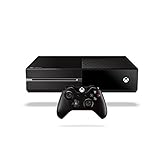
- Note: Kinect sensor sold seperately.Check the CD format and file type Supported formats include: CD-DA CD-ROM CD-ROM XA CD-R, CD-RW CD-Extra.
- Supported file types include: WMA MP3 JPEG
- This item includes the Xbox One console, 1 wireless controller, HDMI cable, and power supply . For more troubleshooting steps please check the manufacturer's webiste
- Play games like Titanfall and Halo on a network powered by over 300,000 servers for maximum performance.
- Troubleshooting Steps: If the Xbox does not play the game or It turns on but screen goes black : Please power cycle the unit by unplugging it from the wall, waiting 10 seconds and plugging it back in and power on the device.
What can lead to an account or device ban
Microsoft Support explains: “If you did something that violates the Microsoft Services Agreement, your account may have been suspended, or under extreme circumstances, your device may have been banned by the Xbox Live Policy & Enforcement Team.” There is no published ban rate or percentage that can predict your personal risk, and no source promises that a particular application or emulator is ban-proof.
Common risk categories include:
- Unauthorized firmware, dashboard, or security modification.
- Pirated games, copied game images, or redistribution of content you do not have rights to use.
- Cheating, tampering with multiplayer traffic, or gaining an unfair online advantage.
- Account abuse, credential theft, impersonation, fraud, or repeated policy violations.
- Using an application to bypass Microsoft controls or to expose protected operating-system and file-system areas.
- Distributing a competing storefront or an unapproved product while presenting it as an official Xbox service.
Developer Mode lowers the risk associated with unsupported system modification because it uses an official authorization and a reversible state. It does not immunize the account or hardware from enforcement. Microsoft retains authority to interpret and enforce its current Services Agreement and Xbox policies.
Switching between Developer Mode and Retail Mode
Leave Developer Mode for ordinary play
From Dev Home, choose the system command that switches to Retail Mode and confirm the restart. When the console returns, press the Home button and verify that the standard retail dashboard appears. Launching a retail game or using normal Xbox network features before confirming the state can lead to confusion about which environment is active.
Return to Developer Mode for testing
Use the same activation entry point in the retail environment to switch back. The console will reboot into Dev Home. If the option is missing, confirm that the developer enrollment is still active, the console is online, and you are signed in with the account used for activation. Do not repeatedly reset the console or attempt unofficial recovery instructions until you have checked Microsoft’s current support guidance.
Understand what switching does not do
Mode switching is a state change, not a cleanup tool. It does not legalize an unauthorized app, remove an account violation, or guarantee that a device cannot be enforced against. Keep only projects you can document and delete test packages you no longer need.
Best Value

- BEST VALUE IN GAMING — Experience next-gen speed and performance in the smallest XBOX ever. The XBOX Series S delivers powerful all-digital gameplay in a sleek, compact design.
- UP TO 120 FPS GAMEPLAY — Enjoy smooth, responsive gaming with frame rates up to 120 FPS, powered by XBOX Velocity Architecture, a custom NVMe SSD, and DirectX Raytracing for a heightened level of realism.
- 512GB CUSTOM SSD AND XBOX VELOCITY ARCHITECTURE — Reduce load times dramatically with the custom 512GB NVMe SSD and XBOX Velocity Architecture, enabling lightning-fast performance and seamless world streaming.
- QUICK RESUME — Seamlessly switch between multiple games and resume exactly where you left off. No more waiting through title screens and loading bars.
- FOUR GENERATIONS OF DIGITAL GAMES — Play thousands of digital games from XBOX Series X|S, XBOX One, XBOX 360, and Original XBOX with backward compatibility. Many titles are enhanced for better visuals and performance. Smart Delivery ensures you always get the best version for your console.
Local testing versus publishing on Xbox
Publishing introduces a separate approval path. Microsoft’s Store policy says console game products must use ID@Xbox or the Xbox Creators program, and publication may involve Partner Center and additional policy review. Enrollment in Developer Mode alone does not grant a Store listing, a commercial distribution right, or access to every Xbox publishing program.
Before planning a public release, determine which current program accepts your product, whether your product category is eligible, what technical certification applies, and which licenses you must provide. A game that runs successfully on your own console can still be rejected for its content, data handling, storefront behavior, emulator functionality, or access to protected resources.
| Activity | Official support status | Mode | Licensing responsibility | Network exposure | Reversible? | Publication position |
|---|---|---|---|---|---|---|
| Testing your own application | Covered by the Developer Mode authorization on a supported retail Xbox One | Developer Mode | You must own or be licensed to use code, assets, and media | Keep testing local and avoid prohibited online behavior | Yes; switch to Retail Mode | Local testing only unless separately approved |
| Testing a properly licensed third-party application | Depends on the permission and current Microsoft rules | Developer Mode | Keep written permission and comply with its terms | Do not expose credentials or protected system areas | Yes; switch to Retail Mode | Separate Store or developer-program review may apply |
| Unofficial firmware or dashboard modification | Outside the reviewed Microsoft authorization | Not an official Developer Mode state | Does not cure platform or copyright violations | Potentially high because ordinary services may be affected | Not established by Microsoft’s Developer Mode documentation | Not presented as eligible or ban-safe |
| Distributing a competing storefront or unauthorized copies | Not authorized by Developer Mode | Any mode | Likely conflicts with rights and platform rules | High enforcement exposure | No reliable recovery assumption | Do not distribute |
Troubleshooting without creating a bigger problem
The activation app or menu is missing
Check that the console is a supported retail Xbox One, fully updated, online, and signed in. Verify current regional eligibility and enrollment status. Menu labels can change after system updates; use Microsoft’s current activation instructions rather than installing a third-party replacement.
Deployment fails or is very slow
Confirm that the development computer and console are on the same reachable network, that Dev Home displays the expected pairing information, and that the required account is signed in. Move to a wired connection, restart the development tool and console, and retry with a small test package. Avoid repeatedly changing system settings while a deployment is in progress.
The app installs but will not run
Rebuild against the current supported target, check package metadata and dependencies, and test a minimal sample. Remove libraries or assets whose licenses or platform requirements you cannot verify. Keep the failure local; do not attempt to bypass a platform error by modifying firmware or protected files.
You cannot get back to Retail Mode
Use the documented Developer Mode system command and allow the reboot to finish. If the command is unavailable, verify that the console is not still installing an update and consult Microsoft’s current support process. A factory reset or unofficial recovery procedure should be a last resort because it can remove local data and does not resolve an underlying account or policy issue.
A practical no-ban-risk checklist
- Confirm the hardware is a supported, updated retail Xbox One.
- Use only Microsoft’s current Developer Mode enrollment and activation flow.
- Review current enrollment requirements, fees, and regional availability before committing.
- Keep a signed-in account available for deployment.
- Prefer a wired network for development transfers.
- Deploy only software you authored or are licensed to test.
- Record source, dependency, asset, and media permissions for every build.
- Do not request Microsoft credentials, bypass security, browse protected storage, or create a competing storefront.
- Do not use pirated games, unauthorized game images, cheats, or account-abuse tools.
- Switch back to Retail Mode before ordinary retail games and Xbox network use.
- Recheck the current Services Agreement, Store policies, and enforcement guidance before publishing or changing the project’s scope.
The decision
For legal Xbox homebrew, official Developer Mode is the defensible choice: it is supported for application testing on a retail Xbox One, keeps development separate from Retail Mode, and can be exited when you want to play normally. The trade-off is that you remain responsible for every line of code, asset, media file, and online behavior, while Microsoft retains enforcement authority. Anyone promising a guaranteed ban-proof emulator, firmware flash, or dashboard modification is promising more than the available Microsoft rules support.
Do these 3 things before closing this tab:
1Scan for outdated or missing drivers - takes under a minute2Clear out junk files and repair common Windows errors3Fix the driver behind crashes, sound loss and screen glitchesQuick Recap
Product prices and availability are accurate as of the date/time indicated and are subject to change. Any price and availability information displayed on Amazon at the time of purchase will apply.

