
There is no universal checklist that guarantees survival for 100 days at sea. The safest approach is to treat a 100-day passage as a remote expedition: define the vessel and route, identify safe and no-go areas, carry equipment that matches the voyage, train every crew member, and provision for the actual people, climate, storage and water systems on board. A liferaft is an emergency last resort, not a substitute for a seaworthy vessel and a functioning passage plan.
Start by defining what “100 days at sea” means
Preparation depends on facts the title alone does not specify: recreational sailboat or commercial ship, flag state, crew size, route, season, water temperature, latitude, and whether the plan assumes regular resupply or complete isolation. A coastal passage with frequent ports is a different risk problem from a remote ocean crossing. A survival situation after abandoning ship is different again from living aboard a prepared vessel for 100 days.
As an Amazon Associate I earn from qualifying purchases.
Before buying equipment or food, write down:
- Vessel type, length, displacement, propulsion and fuel capacity.
- Flag, registration and the legal regime that applies to the vessel and voyage.
- Number of people, their experience, medical needs, dietary requirements and watch schedule.
- Departure and arrival windows, route, seasonal weather, currents, ice or tropical-cyclone exposure, and likely sea temperatures.
- Ports, sheltered anchorages, fuel or water stops and the points beyond which outside help may be delayed.
- What happens if the engine, steering, mast, power generation, desalination system or primary navigation equipment fails.
That definition prevents a common error: treating a requirement for one class of vessel in one country as a universal offshore rule.
What’s actually slowing this PC down?
Pick the symptom - the matching free tool is one click away.
Build a passage plan for remote waters
The plan should be a working document used by the watch team, not a route line saved in a chart plotter. The International Maritime Organization’s remote-area guidance says a detailed voyage and passage plan should include “safe areas and no-go areas; surveyed marine corridors, if available; and contingency plans for emergencies in the event of limited support being available for assistance in areas remote from SAR facilities.” Read the guidance in its proper context—the IMO page concerns the Polar Code and remote-area operations—but the planning principles are useful for any voyage where rescue may be slow. IMO remote-area voyage-planning guidance
#1 Best Overall

- TRUSTED WATER PURIFICATION TABLETS - Aquatabs are the world's leading water purification tablets for drinking; the ultimate choice for portable water treatment & emergency drinking water; Removes 99.9999% Bacteria, 99.99% Viruses, & 99.9% Cysts (Giardia).
- FEEL SAFE OUT THERE - Experience rapid water purification with our 397mg tabs; purifies 4 gal in 30 mins; an essential emergency water filter & water purifier for camping; the top choice for water filtration camping gear.
- BE BETTER PREPARED - These lightweight water filter survival tablets are a must for your bugout bag; a key part of portable water filters survival kits; perfect for emergency preparedness & RV water treatment for drinking water.
- ENJOY GREAT TASTING WATER - Our water cleaning tablets have no bad taste, color, or odor, unlike iodine tablets. Get clean hydration without the awful iodine taste; pair with a water filter bag or water filter straw survival for sediment.
- HIKING WATER PURIFIER - Trust these emergency water purification tablets as your main hiking water filter; a vital water filter backpacking & water purifier backpacking tool; safer than untreated water. Expiration Date: February 2029
Mark safe and no-go areas
Safe areas are not simply places that look empty on a chart. Mark waters with adequate depth, room to turn, acceptable shelter, reliable chart data and a realistic way to reach help. No-go areas can include lee shores in forecast conditions, uncharted approaches, heavy traffic, restricted zones, areas with unsafe ice or sea state, and routes that leave no practical diversion if a system fails.
For every leg, record the forecast limits that trigger a change of plan. Examples include a wind direction that makes a planned anchorage unsafe, a wave height that exceeds the vessel’s recovery capability, or a visibility threshold that makes a traffic separation crossing unacceptable. State who can authorize a diversion and how the decision will be communicated on watch.
Add surveyed corridors and alternate routes
Use the best available charts and notices, then identify surveyed channels or marine corridors where they exist. Create at least one alternate route for each major leg, with fuel, depth, weather and communications checked in advance. A route that is theoretically shorter may be worse if it removes the only sheltered stopping point or places the boat outside the range of its rescue and communications plan.
Write failure and rescue contingencies
For each critical system, specify the first safe action, the backup, the power source and the point at which a distress alert is sent. Cover steering failure, engine failure, dismasting, fire, flooding, loss of electrical generation, medical emergency, man overboard, loss of navigation, collision and abandonment. Include the information a rescue service will need: position format, vessel description, people aboard, injuries, survival craft, fuel and water status, and the equipment being used to transmit.
The UK Maritime and Coastguard Agency (MCA) describes preparation as essential for reducing the risk of vessel or equipment failure on prolonged non-coastal passages. Its good-practice notice is written for yachts and powerboats, so apply it alongside the rules of the vessel’s flag and operating area. MCA MGN 615 preparedness guidance
Make life-saving equipment a matched system
Equipment only helps when its capacity, standard, service status, location and users match the voyage. The IMO lists lifeboats, lifebuoys, lifejackets, liferafts and other life-saving appliances, and notes that their number, capacity and type vary with ship size, activity and voyage. The International Life-Saving Appliance Code sets requirements for manufacturing, testing, maintenance and records. IMO life-saving appliances overview
Rank #2
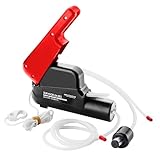
- WORLD'S SMALLEST HAND-POWERED DESALINATOR: Compact, lightweight reverse osmosis seawater filter built for life rafts, sailboats, marine survival kits, and ditch bags. Sized for groups of 1 to 6 people where space and weight are critical.
- 5.7 GALLONS OF FRESH WATER PER DAY: This manual desalinator produces 0.24 gallons per hour and up to 5.7 gallons per day at 40 strokes per minute. Five-year operational lifetime, reliable freshwater for groups when you need it most.
- PATENTED ENERGY RECOVERY PUMP, EASIER TO OPERATE: Reverse osmosis with energy recovery delivers more freshwater per stroke and lower pumping effort than conventional manual desalinators. Critical when fatigue is the enemy in survival.
- MARINE-GRADE SALTWATER & SURVIVAL CONSTRUCTION: Corrosion-resistant stainless steel, composite, and food-contact-compliant plastics. Operates from 36°F to 113°F. No electricity, batteries, or fuel needed, just hand power.
- TRUSTED SINCE 1928: Katadyn has been delivering clean water solutions for nearly a century. Used by hikers, travelers, and professionals worldwide, our products are built for reliable performance wherever you go.
| Equipment or capability | Decisions to make | Readiness check |
|---|---|---|
| Survival craft | Capacity for everyone; operating area; water temperature; applicable carriage rules; launch method; equipment pack | In date, serviced by the required provider, accessible without moving hazards, and understood by the crew |
| Personal flotation | Correct size and buoyancy; exposure protection; compatibility with harnesses and clothing | Each person can fit and adjust it, and knows when and how to wear it |
| Distress alerting | Coverage, licensing, power, antenna position, primary and backup methods | Registered where required, tested according to instructions and protected from battery failure |
| Recovery equipment | Method for lifting a person in expected sea conditions; injury and hypothermia risks | Rigged or rapidly riggable, tested with the actual vessel and crew |
| Signals and visual aids | Legal carriage requirements and night/day visibility | Expiry dates logged; crew can select the correct signal without confusion |
Do not choose a fixed liferaft capacity or pack merely because it is common online. MCA guidance for UK vessel categories illustrates that liferaft requirements change with vessel class and operating area. Apply the rules for the vessel’s flag, category and route, then confirm capacity for every person, including a realistic allowance for clothing and emergency equipment. Keep the raft and its launching route clear; a compliant raft that cannot be reached or deployed is not an effective one.
Windows Errors? Fix Them Before They Spread
Repair common Windows errors and clear accumulated junk for a smoother, more stable PC - no reinstall needed.Free scan · no reinstallCrashes, No Sound, or Screen Glitches?
Random freezes, missing sound and display glitches usually trace back to one bad driver. Find and replace yours safely.Free scan · under a minuteMaintain lifejackets and other personal flotation equipment according to the manufacturer’s instructions. Inspect straps, closures, inflation components and lights, and replace damaged or expired parts. The MCA’s pleasure-vessel guidance emphasizes appropriate training for the intended voyage rather than a generic one-time briefing. MCA MGN 599 guidance
Plan communications and distress alerting
Communication equipment must fit the route, regulatory regime and power budget. A device that works near shore may not provide the same coverage offshore, and a distress transmitter is not a substitute for a two-way plan that lets rescuers coordinate a response.
Use more than one path to call for help
Document the primary, secondary and final alerting methods, including their coverage and independent power. Protect charging and battery systems from a single point of failure. Keep a waterproof, readable emergency information card beside each control position with the vessel’s call sign, identification numbers, position format and distress procedure.
For vessels and voyages covered by the applicable SOLAS requirements, EPIRBs and SARTs may be mandatory. SOLAS carriage rules concern specified passenger and cargo ships on international voyages; they do not automatically impose identical obligations on every recreational boat. Check the vessel’s legal category before relying on a summary of SOLAS. IMO SOLAS overview
Free tools Windows power users keep installed
One-click scans. No signup required.
The MCA yacht officer syllabus includes handheld radios, EPIRBs, SARTs, emergency signals, life-saving appliances, passage planning and survival craft. Use that list as a training baseline, then add the equipment actually carried on the vessel. MCA Officer of the Watch yacht syllabus
Rank #3

- All-In-One Safety Solution: A certified visual and audible distress signaling system combined with first aid, lighting, and tools for emergencies on the water
- US Coast Guard Approved Visual Distress Signals: Includes the USCG authorized C-1003 SOS eVDSD electronic flare and orange daytime distress flag, exceeding U.S. Coast Guard visual distress signal requirements
- Multiple Audible Signals: Equipped with a high-decibel marine air signal horn and whistle to meet Coast Guard audible distress signal standards
- Rechargeable LED Utility Light: Provides bright illumination for any need and is fully rechargeable with a battery status indicator on the back
- First Aid Readiness: Compact first aid kit includes bandages, antiseptics, gauze, resuscitation mask, and essential supplies for immediate medical response
Protect power and information
Calculate the communications load alongside navigation, lighting, refrigeration, desalination and charging. Store spare batteries in a dry, accessible place and keep essential instructions in printed form. Test devices under realistic conditions, including the backup antenna or battery, rather than assuming that a successful bench power-on proves offshore readiness.
Rehearse man-overboard, recovery and abandonment
A 100-day crew needs practiced actions, not just a written emergency card. Drills should use the actual vessel, clothing, harnesses, radios, recovery points and weather limits likely on the route. Rotate roles so that a single injury does not remove the only person who knows how to launch the raft or operate the distress equipment.
Design recovery around the casualty
MCA recovery guidance says plans should account for conditions and ship characteristics, minimize injury during transfer and, where practicable, recover a casualty horizontally or near-horizontally. It warns of the risks of vertical recovery for a hypothermic person. MCA MGN 544 recovery guidance
Do these 3 things before closing this tab:
1Scan for outdated or missing drivers - takes under a minute2Clear out junk files and repair common Windows errors3Fix the driver behind crashes, sound loss and screen glitchesTest whether the planned method works with one crew member unable to assist. Account for freeboard, propeller hazards, harness attachment, ladders or lifting slings, sea state, lighting and the risk of the rescuer entering the water. Establish a stop rule if the recovery attempt is becoming more dangerous than maintaining a controlled position and waiting for professional assistance.
Practice the abandon-ship sequence
- Raise the alarm and identify the emergency, position and people affected.
- Put on personal flotation and exposure protection; bring the grab bag, communications equipment and essential medication if time permits.
- Account for every person and assign someone to the raft, distress alert, first aid and navigation tasks.
- Launch or prepare the survival craft according to its instructions and the vessel’s conditions.
- Transmit the distress message, continue updates and record the time and position of each move.
- Once clear of the vessel, organize watches, water, signaling and casualty care rather than treating the launch as the end of the emergency.
Drills are preparation, not evidence that survival is guaranteed. The MCA syllabus specifically covers distress and emergency signals, operation of life-saving appliances, survival craft and recovery boats. MCA yacht oral examination syllabus
Provision food for the real crew and route
There is no authoritative one-size-fits-all “100-day ration” in the cited guidance. Calculate provisions from the number of people, actual duration, climate, work rate, dietary needs, cooking fuel, storage conditions, preservation method and opportunities to replenish. Add a contingency margin for delays, diversions and unusable supplies.
Rank #4

- All-in-One Safety Kit: Includes everything you need during an emergency on the water
- Never Buy Flares Again: Family safe and easy to use, the C-1004 electronic visual distress signal flashes US Coast Guard spec SOS and infrared signal
- Waterproof Flashlight: Rugged IP68-rated flashlight will float if dropped in the water and includes a long lasting CR123 lithium battery
- Daytime Distress Signals: Daylight signal mirror and orange distress flag fulfill daytime signal requirements and quality marine whistle approved for USCG audible signal requirements
- Always Be Prepared: Kit also includes dry bag, waterproof pouch with strap and carabiner, liquid filled hand compass, 12' paracord, and first aid kit
UK MCA food guidance requires covered seafarers’ food and drinking water to be suitable in quantity and quality, with food providing nutritional value, variety and balance while taking account of the number of seafarers and the character, nature and duration of the voyage. It is a regulatory planning principle for the covered ships, not a global daily-consumption calculator. MCA MSN 1845 Amendment 2
Use a provisioning worksheet
| Input | What to record | Why it changes the plan |
|---|---|---|
| Crew | People aboard, ages, medical and dietary requirements | Changes total volume, menu design, medication and water demand |
| Duration | Planned days plus a delay margin | Determines how quickly stores are consumed and when fresh items expire |
| Climate and workload | Heat, cold, humidity and expected physical effort | Affects hydration, food preference, spoilage and cooking needs |
| Storage | Dry, refrigerated and frozen capacity; pest and bilge protection | Limits what can be carried and how long it remains usable |
| Water system | Tank capacity, desalination output, energy use and failure plan | Determines how much water must be carried and how long production can be interrupted |
| Replenishment | Ports, rainfall collection and verified resupply options | Separates a closed 100-day plan from a route with dependable stops |
Separate drinking and cooking water from technical water, label containers by intended use, and protect reserves from accidental consumption or contamination. If a watermaker is carried, provision for its energy, filters, maintenance and a manual or stored-water fallback. A production rate is not a guarantee: salinity, fouling, membrane condition, power loss and operator error can reduce output.
Make food usable during failures
Choose foods that can be prepared if refrigeration, cooking fuel or the main galley fails. Spread stores across compartments so one leak or fire cannot destroy the entire reserve. Rotate dates, inspect packaging before departure and keep a manifest that shows location, quantity, allergen information and preparation requirements. Include foods that the crew will actually eat under stress; nutritional balance is a practical safety issue because poor intake impairs judgment and physical work.
Independent reader supportYour contribution helps us test, update, and keep practical guides available for everyone.Manage watches, fatigue and crew readiness
In a 100-day passage, fatigue can turn a manageable equipment fault into a collision or grounding. Set a watch system that protects sleep, defines handover information and provides additional coverage for traffic, storms, restricted visibility and maneuvering. Record rest and work periods so the plan can be changed before people become unsafe.
Every crew member should be able to:
- Read the passage plan and identify the current position, next decision point and nearest safe area.
- Raise and communicate a distress alert using the equipment carried.
- Don appropriate flotation and exposure protection.
- Start or stop key machinery safely and isolate a failed system.
- Locate water, food, first-aid supplies, fire equipment, tools and emergency documents.
- Perform the assigned man-overboard, fire, flooding and abandonment role.
Keep a skills matrix showing who can perform each task and schedule refreshers after crew changes, long quiet periods or equipment replacement. Familiarity must include the limitations of each device: coverage gaps, battery life, antenna requirements, deployment time and conditions under which it should not be used.
Inspect the vessel and create maintenance margins
Before departure, inspect rigging, steering, seacocks, bilge systems, fuel, electrical generation, batteries, propulsion, navigation, communications, fire protection and watertight integrity. Carry tools and spares only when someone aboard can use them safely; otherwise arrange professional inspection or training.
Best Value

- 【Super Loud 120dB Emergency Whistle with Dual-Chamber Design】 Engineered with dual sound chambers, this survival whistle delivers an intense loud whistle alert reaching 120 decibels—clearly audible from great distances. Its piercing sound ensures reliable signaling in critical moments, making this emergency whistle ideal for lifeguard, rescue, and safety whistle use when every second matters.
- 【Floating Waterproof Pealess Design – Perfect Kayak & Boat Whistle】 Designed for full water readiness, this marine whistle is both waterproof and floats, thanks to its pealess construction. Unlike traditional plastic whistle models, it performs reliably even when wet, making it a essential whistle for boat, kayaking, swimming, and all water activities.
- 【Reflective Lanyard & Clip – Ideal Whistle for Life Jacket and Outdoor Use】 Each emergency whistle includes an 18-inch adjustable lanyard with reflective stitching for low-light visibility and a sturdy clip for secure attachment. It’s the perfect whistle for life jacket, backpack, or belt—keeping your loud emergency whistle accessible while leaving hands free.
- 【Durable High-Impact ABS Construction for Long-Lasting Use】 Built from tough ABS material, this survival whistle withstands impacts, extreme weather, and harsh environments. It’s a reliable plastic whistle made for years of dependable performance across land, sea, and wilderness.
- 【Versatile Survival & Safety Whistle for All Outdoor Activities】 Whether you need a hiking whistle, kayak whistle, lifeguard whistle with lanyard, or a general safety whistle, this red whistle serves countless roles. Great for camping, hunting, surfing, training, and as an emergency whistle survival loud tool for adults and families.
Use a written maintenance schedule with three columns: inspection due, failure signs and action if the item fails. Record service dates for rafts, inflatable lifejackets, fire extinguishers, distress signals, batteries and medical supplies. Keep certificates, manuals and serial numbers where a watchkeeper can find them without an internet connection.
Use a decision framework for equipment choices
When comparing two items, score both against the same voyage-specific criteria:
- Capacity: Does it serve the full crew, with realistic clothing and equipment?
- Operating area: Does it suit the route, sea temperature and expected weather?
- Rules and standards: Is it accepted under the vessel’s flag and category?
- Service and expiry: Can it be inspected and serviced on the required schedule?
- Access and deployment: Can an exhausted crew member reach and use it quickly?
- Power and backup: Does it remain useful after the primary electrical system fails?
- Training burden: Has every relevant person practiced with this exact model or control layout?
The cheapest or lightest option can be the wrong choice if it reduces capacity, cannot be serviced en route or introduces a procedure nobody has rehearsed.
Quick wins for a faster PC:
Scan for outdated or missing drivers - takes under a minuteDriver Scan →Repair Windows errors before they cause bigger problemsFix Now →What to do when the plan starts failing
Loss of propulsion or steering
Stabilize the vessel, establish drift and collision risks, protect the crew from deck hazards, and send an early advisory message before the situation becomes an immediate distress. Shift to the documented backup steering or propulsion method, then reassess the next safe area and weather window.
Flooding or fire
Raise the alarm, isolate the source if safe, protect escape routes and account for all people. Begin distress communications while the vessel still has power and a known position. Abandon only when remaining aboard is more dangerous than entering the survival craft.
Medical emergency
Use the medical plan and contact professional advice as soon as the condition exceeds the crew’s competence. Record symptoms, treatment, time, vital signs where possible and the vessel’s position. A diversion may be safer than continuing toward the original destination.
Person overboard
Shout the alarm, maintain visual contact, mark the position, maneuver according to the vessel’s procedure and prepare the recovery system. Assign a communicator and a recovery lead; do not let everyone focus on the water and leave the vessel without a navigator or radio operator.
Limits of what can be promised
No official source cited here establishes a universal survival probability for a 100-day passage or a guaranteed survival time in a liferaft. Outcomes depend on vessel condition, sea state, temperature, injuries, water, shelter, signaling, crew decisions and the time required for rescue. A well-prepared passage reduces avoidable risk; it cannot remove weather, mechanical failure or human-error risk.
For that reason, the correct goal is not to “beat” 100 days. It is to keep the vessel and crew in a condition that supports safe decisions every day, while maintaining credible options for diversion, assistance, recovery and abandonment if the original plan no longer works.
Quick Recap
Product prices and availability are accurate as of the date/time indicated and are subject to change. Any price and availability information displayed on Amazon at the time of purchase will apply.

