Quick wins for a faster PC:
Repair Windows errors before they cause bigger problemsFix Now →Fix the driver behind crashes, sound loss and screen glitchesFind Drivers →Clear out junk files and repair common Windows errorsFree Scan →The strongest picks for 1973 are Pong Doubles, Space Race, and Gotcha—not as a definitive ranking, but as three distinct arcade ideas: more players around a paddle game, a timed race through hazards, and two-player maze pursuit. They are a focused shortlist, not a complete account of the year’s releases.
What were the best video games of 1973?
“Best” here means historically notable for their play concepts and contribution to the still-forming arcade format. The Museum of the Game’s 1973 catalog spans video, sports, racing, shooter, and paddle categories, so no three-game selection can stand for the whole field. The catalog provides a useful view of that broader range.
| # | Preview | Product | Price | |
|---|---|---|---|---|
| 1 |
|
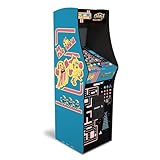
Arcade1Up Ms. Pac-Man Class of '81 Deluxe Arcade, 12 Retro Games | $499.99 | Buy on Amazon |
| 2 |
|
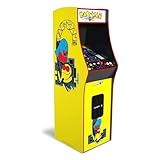
Arcade1Up Pac-Man Deluxe Arcade Gaming Cabinet, 14 Classic Games | $499.99 | Buy on Amazon |
| 3 |
|
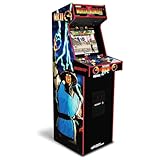
ARCADE1UP Mortal Kombat II Deluxe Arcade Machine, 14 Games | $499.99 | Buy on Amazon |
Pong Doubles: a paddle game for up to four players
Atari’s Pong Doubles took the familiar Pong-style contest and expanded it to two to four players. A historical account places its arrival in autumn 1973; the Museum of the Game also lists it among that year’s video games. Its notable change was social: instead of keeping the paddle match to a simple head-to-head format, it made room for more people at the cabinet. The Museum of the Game’s catalog and Game Developer’s historical account document the title and context.
Space Race: beat the clock and dodge hazards
Space Race shifted the objective away from bouncing a ball. In the Atari Museum’s overview, one player races against a clock, or two players compete head-to-head, steering through space while avoiding meteors and asteroids in pursuit of the best time. The Museum of the Game lists it as an Atari release from 1973. That combination of racing, timed play, and obstacle avoidance makes it a strong pick for showing how arcade games were already exploring different goals. The Atari Museum overview describes its play, and the Museum of the Game catalog records its year.
Crashes, No Sound, or Screen Glitches?
Random freezes, missing sound and display glitches usually trace back to one bad driver. Find and replace yours safely.Free scan · under a minuteWindows Errors? Fix Them Before They Spread
Repair common Windows errors and clear accumulated junk for a smoother, more stable PC - no reinstall needed.Free scan · no reinstall#1 Best Overall
- Classic Arcade Experience: Enjoy 12 legendary games from 1981 on a full-size cabinet with real-feel joysticks, buttons, and authentic arcade-style gameplay
- Vibrant 17" Display: Features a crisp BOE 17" LCD screen that brings retro graphics to life with bright colors and sharp details for immersive gaming fun
- Wi-Fi Leaderboards: Connect to Wi-Fi and compete with players nationwide by posting high scores on global leaderboards—no subscription required
- Premium Retro Design: Over 5 feet tall with a sleek cabinet, light-up marquee, and faux coin door for a nostalgic look that enhances any game room or space
- Crisp Stereo Sound: Dual speakers deliver classic arcade soundtracks and effects just like you remember, bringing every game to life with rich audio
Gotcha: two players in an evolving maze
Atari’s Gotcha brought maze navigation into the arcade shortlist. The Museum of the Game classifies it under labyrinth/maze for 1973. Game Developer describes it as a two-player game in an ever-changing maze and characterizes it as the first maze game. That “first” should be understood as that source’s claim, not a universally settled designation. Its clearest distinction is the shift from reflexive paddle play to navigating a changing space while another player shares the chase. The Museum of the Game’s catalog and Game Developer’s account support those details.
How these 1973 games differ
| Game | Core mechanic | Players | What it adds |
|---|---|---|---|
| Pong Doubles | Pong-style paddle match | Two to four, according to Game Developer’s historical account | Expands the paddle format to a larger group. |
| Space Race | Timed space race with meteor and asteroid avoidance | One player against the clock or two head-to-head, according to the Atari Museum overview | Centers racing, hazards, and time rather than ball-and-paddle play. |
| Gotcha | Navigation through an ever-changing maze | Two, according to Game Developer’s account | Turns the cabinet into a shared maze pursuit. |
Why Pong mattered to the arcade market
Atari’s company history says Nolan Bushnell and Ted Dabney founded the company in 1972 after earlier work on coin-operated games, and identifies Pong as a company bestseller. That context helps explain why a Pong follow-up belongs in a 1973 feature, but it does not establish that the original Pong was released in 1973. Atari’s history provides the company’s account.
Rank #2
- 14 Classic Games Included: Play PAC-MAN, Galaga, Dig Dug, Pac-Land, Mappy, and more—14 built-in titles deliver hours of iconic retro arcade fun at home
- Authentic Arcade Experience: Real-feel joystick and buttons let you dodge ghosts, eat pellets, and chase high scores just like you did in the arcade
- Crisp 17-Inch Display: BOE color monitor brings every glowing maze and character to life with sharp visuals that stay true to the original arcade look
- Wi-Fi Leaderboards: Compete with players across the country by posting high scores online using built-in Wi-Fi—no quarters required
- Deluxe Cabinet Design: Over 5 feet tall with a light-up marquee, molded faux coin door, and sleek cabinet that adds retro style to any game room or space
Game Developer’s 2007 historical account reports that Atari had built and sold 6,000 Pong machines by November 1973 and was then recording about $1 million in sales per month. It also reports a forecast of $15 million in sales by the June 1974 fiscal-year end; that was an expectation, not a confirmed result. For year-end 1973, the account compares Midway’s 9,000 Pong-type machines with Atari’s 6,000. These are figures reported by that historical account, rather than independently checked original company records. Game Developer’s account also reports that in a December 1973 Newsweek discussion of Pong, Atari co-founder Nolan Bushnell said, “We’ve created a whole new market”.
Independent reader supportYour contribution helps us test, update, and keep practical guides available for everyone.Which arcade games came out in 1973?
The three picks above are only a sample. The Museum of the Game’s 1973 catalog includes other releases across video, sports, racing, shooter, and paddle categories, indicating that arcade play was not defined by one mechanic alone. Use its year listings to explore the wider field rather than treating the Atari shortlist as a complete ranking. Browse the Museum of the Game catalog.
Do these 3 things before closing this tab:
1Repair Windows errors before they cause bigger problems2Fix the driver behind crashes, sound loss and screen glitches3Clear out junk files and repair common Windows errorsQuick Recap
Rank #3
- 14 Classic Games Included: Play Mortal Kombat I–3, Ultimate MK3, and 10 more retro hits like Rampage, Paperboy, and Gauntlet for nonstop arcade action
- Authentic Arcade Feel: Real-feel joysticks, responsive buttons, and dual speakers deliver a true arcade experience in the comfort of your home
- Crisp 17-Inch Display: BOE color monitor showcases every detail, from pixel-perfect punches to vibrant retro graphics, just like the original machines
- Wi-Fi With Multiplayer: Compete online with friends or players across the country using built-in Wi-Fi leaderboards and online multiplayer features
- Premium Cabinet Design: Over 5 feet tall with a sleek finish, light-up marquee, and molded faux coin door for a nostalgic look that stands out in any room
Product prices and availability are accurate as of the date/time indicated and are subject to change. Any price and availability information displayed on Amazon at the time of purchase will apply.




