
Crashes, No Sound, or Screen Glitches?
Random freezes, missing sound and display glitches usually trace back to one bad driver. Find and replace yours safely.Free scan · under a minutePC Slower Than It Used to Be?
A free scan shows the junk files, broken settings and background clutter dragging Windows down - then fixes them in one click.Free scan · Windows 10 & 11Keep a dependable water source and a protected place to sleep near your early base, eat before the Fullness meter reaches its danger state, and reserve portable water and packaged food for caves, dungeons and winter. Hunger and thirst are the urgent meters: when either is completely empty, health damage begins. Fatigue does not directly injure you, but it reduces maximum vitality and makes travel and combat less forgiving.
For a hosted multiplayer world, Godlike.Host’s Sons of the Forest servers offer game-server hosting for this title. Its Sons of the Forest plans list 4, 12 and 20 slots; the server’s MaxPlayers setting allows 1 to 8 players (Steam Community server guide, 11 Oct 2026).

As an Amazon Associate I earn from qualifying purchases.
What the three survival meters actually do
Sons of the Forest asks you to manage three related needs rather than one generic “survival” bar. Fullness represents hunger, Hydration represents thirst, and Energy represents fatigue. Their effects are different, so the correct response depends on which meter is low.
Recommended Free Tools
Fullness: the hunger meter
Fullness declines with time. Eating raises it, and leaving it empty eventually puts the character into a dying-of-hunger state. The maintained wiki’s Patch 16 Hotfix 3 (2025) entry records 2 points of damage every 10 seconds once that state begins. That is periodic health loss, not merely a warning, so a completely empty meter should be treated as an emergency.
#1 Best Overall
Hunger also affects the other need you may be trying to protect: energy drains rapidly while you are actively hungry. A player who keeps travelling on an empty stomach can therefore arrive at a fight with both reduced vitality and poor energy recovery. Eat before Fullness reaches its danger state instead of waiting for health damage to start.
Hydration: the thirst meter
Hydration must be replenished regularly with drinkable water. When the meter is exhausted, the maintained wiki’s Patch 16 Hotfix 3 (2025) entry reports 2 points of damage every 10 seconds from dehydration. That damage is separate from hunger damage. If both Fullness and Hydration are empty, the two periodic losses stack, making the situation deteriorate much faster than either need alone.
Thirst also accelerates energy loss while it is active. A long sprint, climb, fight or cave trip begun while dehydrated can leave you unable to recover energy efficiently. Make drinking part of your route planning rather than waiting for the meter to turn critical.
Do these 3 things before closing this tab:
1Scan for outdated or missing drivers - takes under a minute2Repair Windows errors before they cause bigger problems3Fix the driver behind crashes, sound loss and screen glitchesEnergy: fatigue and maximum vitality
Energy is restored by sleeping, resting and some foods. Physical activity consumes it, and the drain becomes rapid when hunger or thirst is active. When Energy falls below 25%, the HUD marks the character as actively tired. Fatigue itself does not directly deal health damage, but it lowers maximum vitality, reducing the margin for mistakes in combat and exploration.
This distinction matters in an emergency. If only Energy is low, reaching a safe bed or rest spot is the priority. If Fullness or Hydration is empty as well, eat or drink first; otherwise the continuing hunger or dehydration damage and accelerated energy drain can undermine the benefit of resting.
A reliable early-game survival loop
The simplest sustainable routine is a short cycle: establish a safe base by water, maintain two food categories, sleep before Energy bottoms out, and stock supplies before seasonal access changes. The following sequence works as a planning checklist.
Rank #2
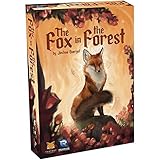
- Strategic Trick-Taking Gameplay: Master unique character abilities and special powers that let you change the trump suit, lead after losing tricks, and outwit your opponent with clever card play
- Compact Travel-Friendly Design: Perfectly portable for date nights, vacations, and weekend getaways with its small box that fits easily in bags and luggage without sacrificing quality components
- Beautiful Illustrated Cards: Stunning fairy tale character artwork with intricate botanical details and elegant brushwork makes analyzing your options quick and enjoyable during each game
- Quick 30-Minute Sessions: Ideal for busy adults seeking meaningful screen-free connection without long rulebook learning curves or extended play commitments on weeknights
- Balanced 2-Player Experience: Expertly designed trick-taking mechanics ensure neither player gains unfair advantage, rewarding strategic thinking and creating intense memorable moments every game
- Choose a base near usable natural water. A lake, river, pond or stream gives you a repeatable everyday hydration option. The proximity also makes emergency refills practical after a fight or a long building session. Put the sleeping location in a defensible position rather than directly in an exposed traffic route.
- Create a protected place to sleep. A tent, sleeping bag or built shelter provides a place to rest. Shelter matters because exposed sleep can be interrupted by nearby enemies. Keep a fire or torch available so you can see threats and move safely when waking or preparing to sleep.
- Carry two kinds of food. Use renewable sources such as hunted animals, fish, berries and other edible plants for ordinary days. Keep packaged food for long cave or dungeon trips, when returning to your base for a meal may be impractical.
- Eat before the meter is critical. Do not use the empty-meter damage window as your normal schedule. A meal taken while Fullness is still above the danger state prevents the health loss and avoids the extra energy drain caused by active hunger.
- Drink on the same schedule. Use nearby natural water for routine hydration when it is available. Keep portable water for places where a stream, river, lake or pond will not be accessible, especially caves, dungeons and winter travel.
- Sleep before Energy reaches zero. Resting while merely tired is safer than trying to recover after a long expedition has exhausted the meter. If hunger or thirst is also low, correct those needs before settling down so the character is not trying to sleep through an avoidable emergency.
- Build a seasonal buffer. Store food before winter and do not make a fish trap your only supply. The official Patch 01 announcement says a fish trap catches fish every 5–10 minutes only when it is placed in water and the current season is not winter.
Water: when to drink from nature and when to carry a reserve
Use natural water for routine days
For normal activity around a base, a nearby lake, river, pond or stream is the dependable solution. A base that is close to water shortens every resupply trip and gives you a recovery point after combat, construction or gathering. This is why water access should be considered alongside shelter when selecting an early location.
The practical rule is simple: if you can reach a natural source without turning the trip into a separate expedition, use it for everyday hydration. That preserves portable water for situations in which route access is uncertain or impossible.
Save portable water for isolation
Portable water has its highest value when you cannot count on an outside source. Pack it for caves and dungeons, where returning to the surface interrupts progress, and for winter, when a routine plan built around a particular source or trap may no longer be reliable. Treat each portable container as an expedition resource, not as the default drink at your base.
Before leaving, check the planned route against the four questions that matter: where the next drink will come from, how long the trip can last, whether a retreat is possible, and whether the season changes the plan. If the answer to the first question is “nowhere,” take portable water even when your Hydration meter is currently full.
Do not wait for the damage tick
An empty Hydration meter means the character is already in the damage phase listed in the maintained wiki’s Patch 16 Hotfix 3 (2025) entry: 2 health points every 10 seconds. Because hunger damage can occur at the same time, delaying a drink while searching for a perfect location is dangerous. Drink immediately, then move to a safer position or rest once the urgent loss has stopped.
What’s actually slowing this PC down?
Pick the symptom - the matching free tool is one click away.
Food planning that survives long trips and winter
Renewable food for the normal base routine
Hunted animals, fish, berries and other edible plants can support regular days when you remain near your base and can gather repeatedly. Their value is renewability: you can replace the supply instead of consuming a finite emergency reserve. Use them to keep Fullness from drifting into the danger state during building, exploration near home and short outings.
Rank #3

- Strategic 2-Player Trick-Taking: Master the art of winning just enough tricks without overcommitting, using clever card play and tactical decision-making to outmaneuver your opponent
- New Module Variations: Three game modules (special cards, goal cards, poison cards) offer endless strategic combinations, keeping gameplay fresh and exciting for repeated plays
- Premium Deluxe Components: Foil-stamped cards, all-new fairy-tale illustrations, and acrylic scoring tokens deliver a visually stunning and tactile experience that enhances every game
- Quick 30-Minute Gameplay: Perfect for busy couples seeking quality time together, delivering strategic depth and meaningful competition in a compact, elegant format
- Complete Game Package: Includes 33 base cards, nine special cards, 16 goal cards, three poison cards, two reference cards, 17 scoring tokens, and comprehensive rulebook
Because no fixed fullness value is published for each food, plan by the meter rather than by an assumed number of points. Eat when the bar is trending low, observe the result, and keep enough additional food to cover the return trip. The goal is a stable buffer, not a single last-minute meal.
Packaged food for caves and dungeons
Packaged food is less about everyday efficiency and more about portability. It is suited to long cave or dungeon runs where renewable food may be unavailable and a surface trip would break the expedition. Put it in the same mental category as portable water: a reserve for isolation.
Before entering, decide what would make you turn around. An empty or nearly empty food reserve, an Energy meter approaching the actively tired range, or a Hydration plan that depends on a source outside the cave are all reasons to end the run rather than gamble on the health-damage phase.
Quick wins for a faster PC:
Fix the driver behind crashes, sound loss and screen glitchesFind Drivers →Clear out junk files and repair common Windows errorsFree Scan →Prepare for winter before it arrives
Winter changes the reliability of at least one common plan. The official Patch 01 note explicitly limits fish-trap operation to seasons other than winter, even though a trap placed in water can catch fish every 5–10 minutes under the stated conditions. Build a stored-food buffer before winter and diversify the supply instead of assuming the trap will continue replacing what you eat.
This is a reliability issue rather than a claim that every food source disappears. The safe approach is to identify which parts of your normal routine depend on water placement or season, then stock enough food and portable water to cover the period when those parts cannot be trusted.
Rest, shelter and the problem of interrupted sleep
Choose a bed you can defend
Tents, sleeping bags and built shelters all provide a way to rest. The strongest location is not necessarily the closest one; compare shelter, enemy-interruption risk, and distance to water and food. A slightly longer walk to a protected bed is preferable to repeatedly waking in an exposed area.
Rank #4

- Cooperative Trick-Taking Mechanics: Win together by collecting gems through strategic card play and special character abilities that let teammates exchange cards and support each other throughout the game
- Perfect Two-Player Game: Designed specifically for 2 players aged 10 and up with 30-minute gameplay, making it ideal for couples, parents with kids, or anyone seeking meaningful one-on-one connection
- Portable Travel Card Game: Compact design fits easily in bags, backpacks, or carry-on luggage, bringing engaging entertainment to vacations, road trips, or gatherings without bulky components
- Beautiful Hand-Illustrated Cards: Featuring stunning artwork inspired by forest themes with quality card stock that holds up to repeated play while looking attractive displayed or stored
- Easy to Learn, Challenging to Master: Familiar trick-taking foundation makes it instantly approachable for newcomers while unique powers and strategic decision-making keep every game fresh and engaging
Keep a fire or torch available near the sleeping arrangement. A light source helps you assess the surroundings and respond when you wake, particularly when the shelter is close enough to enemy activity that sleep may be interrupted.
Free tools Windows power users keep installed
One-click scans. No signup required.
Rest before Energy becomes a combat liability
Below 25% Energy, the HUD identifies the character as actively tired. That threshold is a useful decision point: if you are about to enter a cave, travel far from water or fight, rest first when possible. Resting while tired preserves maximum vitality; waiting until the meter is empty leaves less room for an unexpected interruption or detour.
Some foods also restore Energy, so a low-energy character does not always need to abandon an expedition immediately. However, food-based recovery does not remove the need to manage Fullness, and it should not be used to ignore an empty Hydration meter. Correct the needs that are causing ongoing loss before relying on a temporary boost.
What to do when enemies interrupt sleep
Interrupted sleep is a location problem, not proof that resting is ineffective. Move the bed into a more defensible position, keep a light source ready, and avoid treating an exposed camp as your primary recovery point. If the immediate area is unsafe, eat and drink first, withdraw to a secure position, and rest there rather than repeatedly attempting sleep in the same danger zone.
Independent reader supportYour contribution helps us test, update, and keep practical guides available for everyone.Emergency procedure for empty meters
When a meter is completely empty, use a fixed order instead of improvising while health is ticking down.
- Identify which meters are empty. Check Fullness, Hydration and Energy on the HUD. Hunger and thirst are the meters that directly damage health; fatigue mainly lowers maximum vitality.
- Stop the health loss first. Eat if Fullness is empty and drink if Hydration is empty. If both are empty, address both as quickly as your inventory and surroundings allow because their damage stacks.
- Leave the exposure zone. Move toward shelter, a light source and a defensible position. Do not start an unprotected sleep attempt while enemies are close.
- Recover Energy after the immediate danger ends. Rest at a tent, sleeping bag or built shelter once the character is no longer being forced to spend energy while hungry or thirsty.
- Rebuild a buffer before travelling again. Replace the food and portable water you consumed, then reassess whether the next route crosses a cave, dungeon or winter-dependent supply gap.
If health is already low, take the shortest safe route to food, water and shelter rather than adding a gathering detour. Survival resources are useful only if you can reach them before the next damage interval.
Best Value

- Tasso Banana: Go Bananas with Stacking Fun! Stack your banana sticks strategically to outwit your opponents and emerge victorious!
- Banana Bonanza: Master the art of stacking banana sticks to claim victory in this thrilling and fast-paced game!
- Strategic Stacking: Use clever tactics to lay your sticks on top of two others and earn an extra turn towards sweet success!
- Go Bananas: Test your dexterity and strategy as you race to be the first to lay all your sticks and claim victory!
- Bananas Galore: Enjoy the excitement of stacking banana sticks and unleash your inner monkey in Tasso Banana!
How to compare survival options
There is no single “best” food, drink or bed for every trip. Compare each option on four supply criteria and apply the same logic to sleep locations.
| Option type | Renewability | Portability | Seasonal reliability | Best use |
|---|---|---|---|---|
| Lake, river, pond or stream | Repeatable while accessible | Fixed to the location | Use depends on access and season planning | Everyday hydration near a base |
| Portable water | Consumed supply | Designed for travel | Important reserve for caves, dungeons and winter | Routes without dependable natural water |
| Hunted animals, fish, berries and edible plants | Renewable sources for normal days | Must be gathered or carried | Plan a stored buffer before winter | Routine Fullness management near home |
| Packaged food | Reserve rather than a renewable loop | Suitable for long trips | Useful when seasonal or local gathering is uncertain | Caves, dungeons and other isolated routes |
| Fish trap | Catches fish every 5–10 minutes under the stated conditions | Requires placement in water | Official Patch 01 note excludes winter operation | Supplemental food outside winter |
For sleep locations, use a separate three-part check: shelter (can you rest without being exposed?), enemy-interruption risk (can nearby enemies wake you?), and distance to water and food (can you restore the other meters without a long detour?). A location that scores well on all three reduces the number of emergency trips your routine requires.
Common mistakes and their fixes
“I will eat and drink only when the bars are empty.”
That approach enters the damage phase by design. Hunger and thirst each deal 2 points every 10 seconds once fully depleted, and the losses stack. Fix it by treating the danger state as a trigger to act, not as a target.
“I can solve fatigue by sleeping anywhere.”
Exposed sleep can be interrupted by nearby enemies. Put the bed in a defensible location and keep a fire or torch available. If a camp is repeatedly disturbed, relocate it instead of spending more time attempting the same unsafe rest.
“The fish trap will cover winter.”
The official Patch 01 statement does not support that assumption. It says the trap works when placed in water and the current season is not winter, with catches every 5–10 minutes. Store food before winter and keep another source available.
“Low Energy is harmless, so I can ignore it.”
Fatigue does not directly damage health, but it lowers maximum vitality. Below 25% Energy, the HUD marks you as actively tired, and hunger or thirst makes energy drain faster. Rest before a demanding fight or expedition rather than accepting a smaller health margin.
“A full Energy meter makes hunger and thirst irrelevant.”
It does not. Active hunger or thirst accelerates Energy loss, and the underlying meter can begin dealing health damage when empty. Energy recovery works best after the needs that are draining it have been corrected.
Version and patch caveat
The maintained wiki’s latest dated version marker identified for these mechanics is “Patch 16 Hotfix 3 — Sons of the Forest Wiki,” dated 2025. Balance and survival behavior can change in later updates. If a patch changes meter damage, item behavior or seasonal rules, recheck the maintained wiki’s Patch 16 Hotfix 3 (2025) entry and the relevant official patch announcement before relying on an older routine.
A practical pre-expedition checklist
- Fullness is above its danger state, with renewable food for the return journey.
- Hydration is replenished, and portable water covers every section without a natural source.
- Packaged food is reserved for the cave, dungeon or other isolated portion of the route.
- Energy is not already below the HUD’s 25% actively tired threshold.
- A tent, sleeping bag or built shelter is available in a defensible location.
- A fire or torch is available for the sleeping area and the approach to it.
- Winter plans do not depend on a fish trap, whose official Patch 01 condition excludes winter.
Sources and limits of the current mechanics
The health-damage figures and Energy behavior above are listed in the maintained wiki’s Patch 16 Hotfix 3 (2025) entry for Sons of the Forest. The fish-trap condition and catch interval come from Endnight Games’ official Patch 01 announcement on Steam, which states: “Fish trap should now work and catch fish (every 5-10 minutes) as long as it’s placed in water and the current season is not winter.” The dated wiki marker is Patch 16 Hotfix 3 (2025); later patches may alter these systems.
Quick Recap
Product prices and availability are accurate as of the date/time indicated and are subject to change. Any price and availability information displayed on Amazon at the time of purchase will apply.

