
Quick wins for a faster PC:
Scan for outdated or missing drivers - takes under a minuteDriver Scan →Clear out junk files and repair common Windows errorsFree Scan →Fix the driver behind crashes, sound loss and screen glitchesFind Drivers →Short version: the 2025 libogc controversy was a code-provenance and licensing dispute, not a confirmed Nintendo shutdown of Wii homebrew. The Homebrew Channel developers raised longstanding allegations that parts of libogc came from Nintendo’s proprietary SDK. RTEMS later said its own review found substantial, systematic reuse of historical RTEMS code without the required attribution and licensing information, and also identified code resembling Linux-kernel sources. devkitPro disputed claims of deliberate theft but later acknowledged historical errors and agreed to restore RTEMS notices.
That creates serious questions for developers and distributors. It does not prove that every Wii or GameCube homebrew application is illegal, unsafe, or unusable.
As an Amazon Associate I earn from qualifying purchases.
What is libogc?
libogc is a low-level C library used to build software for Nintendo’s GameCube and Wii. It sits inside the broader devkitPro development ecosystem and provides the hardware-facing functionality that applications need on these PowerPC-based consoles.
It is important not to confuse the main pieces of the ecosystem:
#1 Best Overall

- Controllers are original OEM (not 3rd party)
- Tested and works well. Nice condition
- Homebrew Channel: a user-facing application and launcher.
- devkitPro: a toolchain and development ecosystem.
libogc: a development library used by many Wii and GameCube programs.- RTEMS: an independent open-source real-time operating-system project.
- Nintendo SDK: proprietary development software and documentation.
Because so many projects were built with libogc, a problem in the library’s historical provenance could affect maintainers, toolchain distributors, and downstream applications even when those applications were not written by the same people.
What happened?
The dispute brought together three different allegations that should not be collapsed into one claim.
- Nintendo-origin material: Homebrew Channel developers said they had long believed that portions of
libogcwere derived from decompiled or leaked Nintendo SDK material, including headers, documentation, and possibly disguised SDK binaries. - RTEMS code: RTEMS said its review found evidence consistent with systematic copying from historical RTEMS sources, with copyright and license information removed.
- Linux-derived code: RTEMS also pointed to a
libogcspinlock implementation that resembled code from Linux 2.4/2.6-era sources.
These claims involve different rights holders, licenses, and standards of evidence. RTEMS’s public statement is stronger evidence for the RTEMS issue than the available public record is for the Nintendo-SDK allegations. No court ruling establishing Nintendo infringement, and no Nintendo lawsuit or enforcement campaign, was identified in the supplied sources.
Why the Homebrew Channel was archived
The Homebrew Channel depended on libogc, as did much of the surrounding Wii and GameCube homebrew scene. In an archived repository, the project’s developers said the library appeared to have problematic copyright provenance and that they could no longer encourage further development using it. The repository is now archived and read-only.
This was a voluntary project decision, not evidence that Nintendo ordered the Homebrew Channel to close. The concern was also about a dependency: it did not necessarily mean that every line of the Homebrew Channel itself had been copied from Nintendo.
What was alleged about Nintendo’s SDK?
Hector Martin and other Homebrew Channel developers alleged that parts of libogc had been derived from Nintendo SDK material. The claims described decompiled and cleaned-up SDK code, SDK header files and documentation, and executable SDK binaries allegedly copied and disguised as data. Hackaday reported that Martin believed some of these issues had existed since at least 2008.
Rank #2

- Bundle Includes: Wii Console, 2 Wii Remotes, 2 Nunchuks, 2 Wii Remote Jackets, Sensor Bar, Wii AC Adaptor, Wii AV Cable And Controller Charging Dock
- Two Included Rechargable Batteries For Your Controller
- Plays two disc formats in a single, self-loading media bay
- Built-in Wi-Fi Access For Easy Connection To Internet
- Thorough cleaning, carefully tested and guaranteed. Comes with a 90-day Amazon Certified Refurbished guarantee
Those are serious allegations, but they should remain attributed allegations. The available sources do not provide a court finding or a complete independent audit establishing the scope of Nintendo-origin code. It is therefore inaccurate to state as fact that Nintendo code was definitively “stolen,” or that Nintendo shut down the Homebrew Channel.
What RTEMS found
RTEMS published its response on May 6, 2025, after saying it was alerted to the issue in January. The project compared libogc with historical RTEMS versions, particularly code from the RTEMS 4.5–4.6 era.
RTEMS said the comparison found evidence of substantial and systematic copying, including the removal of attribution and licensing information. It also identified code that appeared to derive from the Linux kernel. RTEMS reserved the rights of its copyright holders while emphasizing that reuse of RTEMS code is not automatically forbidden.
That distinction matters. Open-source licensing commonly permits reuse under specified conditions. If copyright notices and license terms must be retained, removing them can create a compliance problem even when the resulting software is distributed for free and even when the reuse is technically useful.
A community comparison project linked from the Homebrew Channel discussion attempted to identify corresponding RTEMS and libogc functions. Similarity alone is not always conclusive: low-level libraries must implement constrained hardware interfaces, synchronization primitives, memory operations, and ABI conventions. Stronger indicators include unusual structure, distinctive bugs, uncommon identifiers, matching comments, identical constants, or a historical trail showing access to the original source.
PC Slower Than It Used to Be?
A free scan shows the junk files, broken settings and background clutter dragging Windows down - then fixes them in one click.Free scan · Windows 10 & 11Crashes, No Sound, or Screen Glitches?
Random freezes, missing sound and display glitches usually trace back to one bad driver. Find and replace yours safely.Free scan · under a minuteThe public record therefore supports two careful conclusions: RTEMS’s own investigation gave the copying allegation substantial credibility, but one matching function would not prove that the entire library was copied; and the dispute cannot fairly be dismissed as mere resemblance after RTEMS published the results of its review.
Rank #3
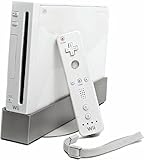
- Bundle Includes: Wii Console, Wii Remote, Nunchuk, Wii Remote Jacket, Sensor Bar, Wii AC Adaptor, Wii AV Cable
Mardegan’s changing assessment
Alberto Mardegan’s initial analysis, published April 28, 2025, argued that the available examples did not establish outright theft. He suggested that the disputed code might have resulted from studying RTEMS and adapting it for GameCube hardware.
That argument reflects several technically different possibilities:
- Inspiration: learning from an existing implementation and writing independent code.
- Clean-room reimplementation: recreating behavior without copying protected expression.
- Derivative work: adapting existing code while retaining obligations to the original license.
- Substantial copying: reusing protected expression beyond what the hardware problem requires.
- License-compliant reuse: copying code while preserving the applicable notices and conditions.
Mardegan updated his post on May 9 after receiving additional evidence. The update acknowledged that the similarities were broader than the limited examples considered in his original response. His position should therefore be described as evolving, not as a definitive refutation of the allegations.
Recommended Free Tools
How devkitPro responded
The devkitPro response also changed over time. In its initial forum discussion, maintainer Dave “WinterMute” Murphy argued that earlier accusations provided little evidence beyond a small number of functions with similar names and broad structural similarities. He cited Mardegan’s analysis and disputed the characterization of the conduct as deliberate theft.
In a later update, Murphy said that discussions with historical contributors led him to believe that poor decisions had been made roughly 21 years earlier. He continued to reject descriptions of deliberate or malicious infringement, but said he had contacted RTEMS and that the project had agreed to add the necessary RTEMS copyright and license notices. The relevant discussion is available on the devkitPro forum.
The May 2025 response was therefore not simply a denial. It moved toward acknowledgment and remediation while continuing to dispute intent and the strongest accusations.
Rank #4
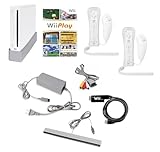
- Includes: Wii console (white), console stand, 2 genuine Wii remotes with silicone sleeve and safety strap, 2 nunchuks, AV cables, AC adapter, sensor bar, HDMI adatper for modern TVs. Choose your option for 1 or 2 sets of controllers.
- Wii Play Game: 9 Classic Mini-Games Enjoy fan favorites like Tanks!, Table Tennis, and Fishing.
- Fully cleaned, inspected and tested for proper operation. Ships with all necessary cables and accessories — just plug in and play.
- Note on Online Features – Support has been discontinued for online play, WiiConnect24, and other internet-based services. All included games function fully offline and do not require internet connectivity.
Timeline
| Date | Development |
|---|---|
| April 28, 2025 | Mardegan publishes his initial analysis of the RTEMS allegations. |
| Late April 2025 | The Homebrew Channel repository is archived and its README is updated with provenance concerns. |
| May 1, 2025 | Hackaday publishes its initial report on the controversy. |
| May 6, 2025 | RTEMS publishes its statement describing its code comparison and findings. |
| May 9, 2025 | Mardegan updates his analysis after reviewing additional evidence. |
| May 16, 2025 | devkitPro publishes a detailed response. |
| May 23, 2025 | devkitPro says it will add RTEMS copyright and license information. |
For contemporary reporting, see Hackaday’s initial report and its follow-up on the RTEMS statement.
Does this make Wii homebrew illegal?
No categorical conclusion is supported by the available evidence. The controversy raises potential copyright and license-compliance issues for particular code, releases, distributions, and downstream projects. It does not automatically make every application built with libogc illegal.
The answer can depend on:
- Which parts of
libogcan application uses. - Whether the disputed code is actually present and infringing.
- Whether required notices and license terms were preserved or later corrected.
- Whether a project distributes source code, binaries, or both.
- Whether proprietary Nintendo material is involved.
- The jurisdiction and the rights held by the relevant copyright owners.
Adding RTEMS notices may address some open-source attribution issues, but it cannot automatically resolve alleged Nintendo SDK contamination, Linux licensing questions, unidentified third-party code, or the status of older releases.
This is a report of the dispute, not legal advice. Anyone distributing a commercial product, bundled toolchain, or widely used binary should obtain advice from a qualified attorney and conduct a source-provenance audit.
Independent reader supportYour contribution helps us test, update, and keep practical guides available for everyone.What existing users should do
For ordinary users with an existing Wii or GameCube homebrew setup, the controversy does not by itself show that their console or installed applications are unsafe. It also does not show that Nintendo has launched a new enforcement campaign. Existing software may continue to run normally because technical operation and licensing compliance are separate questions.
What’s actually slowing this PC down?
Pick the symptom - the matching free tool is one click away.
There is no evidence-based reason to assume that every user must mass-uninstall applications solely because they were compiled with libogc. Users who want to reduce uncertainty can prefer actively maintained projects that publish their source and licensing information, but continued functionality should not be mistaken for proof of clean provenance.
Best Value

- Built-in Wi-Fi Access For Easy Connection To Internet
- Features A Processing Chip From IBM And Graphics Chip From ATI
- Replacement console only no cables or accessories included
- Plays two disc formats in a single, self-loading media bay
What developers and distributors should do
Developers face the more significant practical questions. A sensible review should:
- Record the exact
libogcversion, toolchain version, and build inputs used. - Check the source tree and binary distribution for copyright and license notices.
- Separate RTEMS-derived, Linux-derived, Nintendo-related, and independently written components.
- Preserve the original license files and attribution in source and binary packages where required.
- Review whether historical releases remain downloadable without corrected notices.
- Document any replacement, rewrite, or clean-room implementation rather than assuming a later notice fixes every past release.
Projects embedding or statically linking the library should perform their own audit. A downstream application is not automatically cleared merely because its developers did not know the library’s history.
Are there alternatives to libogc?
Possible responses include auditing and correcting libogc, replacing affected components with properly licensed code, writing a clean-room low-level library, using another development stack where compatible, or maintaining a smaller compatibility layer for existing applications.
The Tool Desk
Outbyte PC Repair FREEClear out junk files and repair common Windows errorsFree Scan →Outbyte Driver Updater FREEScan for outdated or missing drivers - takes under a minuteDriver Scan →None of the supplied sources establishes that a complete, mature, drop-in replacement is currently available. That is a major practical constraint: libogc is deeply embedded in the Wii and GameCube homebrew ecosystem, and replacing low-level console support is substantially harder than changing an ordinary application dependency.
What remains unresolved?
- The exact scope of code allegedly derived from Nintendo’s SDK.
- Whether every historical
libogcrelease contains the same disputed material. - Whether all identified RTEMS and Linux-derived portions now carry correct notices.
- How downstream projects and older binary packages are affected.
- Whether a fully independent replacement will be created and maintained.
- Whether any rights holder will pursue formal legal action.
The most defensible reading is that the controversy exposed serious provenance and compliance debt in a foundational legacy library. It did not end Wii or GameCube homebrew, but it made transparent licensing, historical documentation, and clean-room development far more important.
Quick Recap
Product prices and availability are accurate as of the date/time indicated and are subject to change. Any price and availability information displayed on Amazon at the time of purchase will apply.

