
You can keep gaming in a serious training week if you treat sleep and planned exercise as fixed appointments, then fit play into the remaining time. Set a consistent wake time, count backward for 7–9 hours of adult sleep (8–10 for teenagers), schedule strength and aerobic work first, and use a stop alarm for every gaming session. When a late match cuts sleep, reduce the next day’s training load instead of trying to “make up” both activities while tired.
The system below works for gym programs, field or court sports, and esports practice. It uses the World Health Organization’s weekly activity floor, sleep guidance from sports-medicine groups, and practical controls for long sessions, late-night play, and recovery.
As an Amazon Associate I earn from qualifying purchases.
Start with non-negotiables: sleep, wake time, and training
Sleep is the foundation for reaction time, learning, mood, muscle repair, and immune function. Healthy adults generally need 7–9 hours per night; teenagers generally need 8–10 hours. Athletes may need more when training volume or intensity rises. These are sleep opportunities, not just time in bed, so allow extra minutes for winding down and falling asleep.
Crashes, No Sound, or Screen Glitches?
Random freezes, missing sound and display glitches usually trace back to one bad driver. Find and replace yours safely.Free scan · under a minutePC Slower Than It Used to Be?
A free scan shows the junk files, broken settings and background clutter dragging Windows down - then fixes them in one click.Free scan · Windows 10 & 11Choose a wake time that fits school, work, or practice and keep it within roughly the same hour every day. Count backward to establish bedtime. If you must wake at 7:00 a.m. and want eight hours of sleep, your target is to be asleep around 11:00 p.m.; begin a quiet wind-down earlier so gaming does not run into that target.
#1 Best Overall

- Elevate your screen time comfort with these stylish women's/men's eyewear frame blue light blocking glasses, designed to reduce eye strain and protect against harmful UV rays. Stay focused and comfortable with these anti-glare computer glasses featuring a women's eyewear frame, perfect for long hours in front of digital screens .
- Enhance your visual clarity and reduce eye fatigue with these transparent blue-light glasses, featuring a chic women's eyewear frame for added style and functionality .
- Protect your eyes from blue light and glare with these women's eyewear frame bluelight blocking glasses, designed for screen protection during work or leisure activities .
- Upgrade your digital experience with these non-prescription anti-blue light glasses, featuring a sleek women's eyewear frame for a fashionable and protective solution against digital eye .
- Excellent Material - Ultra-lightweight and flexible nylon frame material for durability and comfortable long-term wearing. Casual frame design keeps you looking professional and stylish while working or playing video games .
The World Health Organization’s adult baseline is 150–300 minutes of moderate aerobic activity or 75–150 minutes of vigorous activity per week, plus muscle-strengthening work on at least two days. Treat that as a minimum for general health, not a ceiling for a competitive athlete. Add volume only when sleep, soreness, motivation, and performance remain stable.
Write the anchors before opening a game
- Set one reliable wake time and a bedtime that protects the required sleep opportunity.
- Put strength sessions, practices, and key aerobic workouts on the calendar first.
- Reserve meals, commuting, showering, and a short transition after training.
- Only then place gaming windows in the remaining space.
This order prevents a common failure mode: choosing an “available” gaming block that quietly displaces the session or bedtime you actually need.
Use a weekly training-and-gaming template
A repeatable week is easier to follow than a perfect daily plan. The example below meets the WHO baseline with three strength sessions and three moderate aerobic sessions; change the days and duration to match your program.
Quick wins for a faster PC:
Fix the driver behind crashes, sound loss and screen glitchesFind Drivers →Repair Windows errors before they cause bigger problemsFix Now →| Day | Training priority | Gaming placement | Recovery focus |
|---|---|---|---|
| Monday | Strength, 45–60 minutes | 60–90 minutes after dinner and shower | Normal bedtime; no ranked play in the final wind-down period |
| Tuesday | Moderate aerobic work, 30–45 minutes | Up to two bounded sessions if sleep target remains protected | Light mobility between sessions |
| Wednesday | Strength, 45–60 minutes | Short social session after recovery meal | Check soreness before adding extra play |
| Thursday | Moderate aerobic work, 30–45 minutes | Flexible window, with a hard stop alarm | Quiet evening and consistent bedtime |
| Friday | Strength, 45–60 minutes | Longer session can fit after training, food, and hygiene | Do not trade Saturday wake time for an unplanned extension |
| Saturday | Moderate aerobic work, 30–45 minutes or sport practice | Social or team play in a pre-agreed block | Keep wake time close to weekday time |
| Sunday | Rest, easy movement, or mobility | Optional gaming, still bounded by bedtime | Review the week and prepare equipment and meals |
The exact sessions are less important than the sequence: protect sleep, complete priority training, eat and rehydrate, then play. A hard workout followed immediately by an all-night session turns recovery time into another stressor.
Rank #2

- BLUE LIGHT BLOCKING GLASSES: Our blue light glasses for women boast UV400 protection, blocking harmful blue rays from computer screens. With these bluelight glasses women, you can enjoy gaming, reading, or watching TV with no worries of eye strain.
- EYE RELIEF: Our blue light glasses are engineered to reduce blurry vision or strain caused by prolonged screen time. These womens blue light glasses aid in better sleep by preventing blue light from disrupting your natural sleep cycle, helping you fall asleep faster and enjoy a more restful night's sleep, making them the perfect christmas present.
- COMFORTABLE: Crafted from durable material, our trendy blue light glasses for woman or blue light glasses men ensure long-lasting comfort. The high-transmittance lenses accessories, gamer gifts for men, help keep your eyes relaxed. Perfect stocking stuffers, gifts for gamers men, christmas gifts for men, halloween costumes.
- LIGHTWEIGHT: These clear blue light glasses feature a lightweight frame, meaning they’ll stay comfy for long-term wear. Perfect as blue blockers glasses for women or mens blue light glasses, these non-prescription fake glasses for men can be worn throughout the day. The blue light blocking glasses women feature polycarbonate HD lenses, which are anti-reflective and restore true color.
- WORRY-FREE PURCHASE: If you experience any issues, our support team is ready to assist you quickly. These are the perfect costume glasses for cosplay dressing up.
Choose the right gaming-window model
Different players need different amounts of flexibility. Compare the models against four criteria: sleep protection, training consistency, gaming flexibility, and recovery quality.
| Model | Best for | Strength | Risk and control |
|---|---|---|---|
| Fixed gaming window | Solo players or stable team schedules | Most predictable sleep and routine | Can conflict with unexpected social sessions; publish your usual start and stop times to teammates |
| Flexible gaming window | Players with changing team or work schedules | Adapts to variable commitments | Requires immovable bedtime and training anchors; decide the day’s end time before launching |
| Training-first day | Hard sessions, competition preparation, or high-volume blocks | Protects performance and recovery | Gaming may begin later; schedule a short, realistic block after food and shower |
| Gaming-first day | Rest days or very light movement days | Allows daytime social play | Sessions can expand into planned activity or sleep; use a midday stop and keep the evening free for recovery |
For most people, a fixed or training-first pattern is the easiest starting point. Move to a flexible pattern only after you can stop reliably for two or three weeks.
Control session length before you queue
Games are designed around uncertain stopping points: ranked ladders, raids, tournaments, and “one more” progression loops. Decide the boundary while you are calm, not after a loss or a winning streak.
Recommended Free Tools
- Set the end time. Put a phone or desktop alarm 15 minutes before you must disconnect. A second alarm at the actual stop time covers games that run long.
- Tell the group. Tell teammates your final match or raid start. Do not begin a round that cannot finish before your cutoff.
- Choose a stopping rule. Examples include “two matches,” “one dungeon,” or “90 minutes,” whichever comes first.
- Build a save-and-exit buffer. Reserve five to ten minutes for saving, logging out, stretching, and preparing for bed.
- Remove friction from stopping. Keep water, a clock, and your next-day clothing ready so ending play does not feel like losing the evening.
If a game repeatedly defeats your stop rule, change the format: play shorter modes, avoid queueing after the alarm, or move that title to an earlier day. Willpower alone is an unreliable control for open-ended sessions.
Rank #3
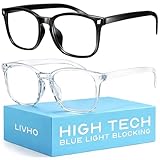
- Elevate your screen time comfort with these stylish women's/men's eyewear frame blue light blocking glasses, designed to reduce eye strain and protect against harmful UV rays. Stay focused and comfortable with these anti-glare computer glasses featuring a women's eyewear frame, perfect for long hours in front of digital screens .
- Enhance your visual clarity and reduce eye fatigue with these transparent blue-light glasses, featuring a chic women's eyewear frame for added style and functionality .
- Protect your eyes from blue light and glare with these women's eyewear frame bluelight blocking glasses, designed for screen protection during work or leisure activities .
- Upgrade your digital experience with these non-prescription anti-blue light glasses, featuring a sleek women's eyewear frame for a fashionable and protective solution against digital eye .
- Excellent Material - Ultra-lightweight and flexible nylon frame material for durability and comfortable long-term wearing. Casual frame design keeps you looking professional and stylish while working or playing video games .
Does gaming at night ruin recovery?
Gaming itself is not automatically harmful at night; the damage comes from the ways a late session can reduce or delay sleep. Bright light, emotional arousal, voice chat, and the decision to continue can push bedtime later or make it harder to relax. The Centers for Disease Control and Prevention’s guidance is straightforward: “Exercise at any time of day, but not at the expense of your sleep.” The same principle applies to gaming.
Create a protected wind-down
End intense or competitive play early enough to allow a quiet transition. The American College of Sports Medicine advises consistent bed and wake times, quiet relaxation before bed, and avoiding screens during that period. Use dimmer lighting, a shower, gentle mobility, reading, or calm audio after the final shutdown. Keep the bedroom dark, quiet, and comfortably cool; blackout curtains, an eye shade, earplugs, a fan, or white-noise machine can help if the environment is noisy or bright.
Blue-light-blocking glasses may reduce some light exposure for people who must use a screen late, but they are optional. They do not replace a cutoff, a dark room, or adequate sleep. If you still feel wired, move competitive play earlier rather than relying on eyewear.
Free tools Windows power users keep installed
One-click scans. No signup required.
What to do after a late session
- Stop the session and begin the normal wind-down instead of trying to “power through” more games.
- Keep the next wake time reasonably consistent unless safety or severe sleep loss requires extra rest.
- Reduce the next day’s training intensity or volume; choose technique work, easy aerobic movement, or rest instead of maximal lifting or hard intervals.
- Return to the usual bedtime the following night. Do not create a second late night to compensate for the first.
Use naps carefully
A nap is a short-term aid, not a substitute for night sleep. Guidance from the ACSM National Youth Sports Health & Safety Institute reports that short naps averaging about 30 minutes can improve mood, reaction time, and alertness. Naps taken too late or made too long can delay bedtime, especially when your schedule already runs late.
Rank #4

- WEAR BEFORE BED FOR BETTER SLEEP — Blue light after dark suppresses melatonin and delays your body's wind-down signal. Slip these amber-tinted glasses on 2-3 hours before lights out to support your natural sleep rhythm.
- 8+ YEARS BUILDING PURPOSE-BUILT EYEWEAR — Sleep ZM has been designing lenses for specific lighting situations since 2019. Each lens in our 14-lens system — across Comfort, Relax, Sleep, and Relief collections — is engineered for one job and tested for its target blocking rate before it ships. Includes 1-year manufacturer warranty for defects.
- LIGHTWEIGHT COMFORT FOR ALL-DAY WEAR — At just 24g, the flexible TR90 frame and shatter-resistant polycarbonate lenses stay comfortable through long gaming sessions, work-from-home days, or travel, with a unisex Wayfarer silhouette that fits most face shapes.
- ANTI-GLARE & UV PROTECTION, READY TO GO — Built for computer screens, gaming, and everyday glare, each pair ships with a protective case and anti-fog cloth so you're ready anywhere you need relief.
- Use a nap after an unusually poor night or before an early training session, not to justify routinely gaming past bedtime.
- Keep it short and set an alarm; allow a few minutes after waking before driving, lifting, or competing if you feel groggy.
- Finish early enough that normal sleep pressure returns at night.
- If you need long or frequent naps, treat that as a sign to review nighttime sleep, training load, illness, or stress.
Take movement and ergonomic breaks during long sessions
Long, motionless sessions can leave your neck, back, wrists, and eyes irritated even when your training plan is sound. The American Osteopathic Academy of Sports Medicine’s esports guidance emphasizes gaming-station ergonomics and regular attention to posture.
Every 30–60 minutes
- Stand, walk, or perform gentle shoulder, hip, and ankle movement for two to five minutes.
- Look at a distant object and blink deliberately to reduce visual fatigue.
- Relax your grip and shake out your hands; stop if tingling, numbness, or sharp pain appears.
Set up the station
- Place the top of the monitor near eye level so you are not constantly bending your neck.
- Keep the screen at a comfortable viewing distance and reduce glare before increasing brightness.
- Support your lower back, keep feet flat, and let elbows rest near your sides with wrists in a neutral position.
- Adjust desk, chair, keyboard, and controller height so you can stay relaxed rather than leaning toward the display.
Ergonomics will not compensate for missing sleep, but it can prevent a gaming session from adding avoidable musculoskeletal stress to a demanding training week.
Independent reader supportYour contribution helps us test, update, and keep practical guides available for everyone.Balance training stress with gaming stress
Training and gaming compete for the same limited resources: time, attention, and recovery capacity. A difficult workout, tournament, exam, or emotionally intense match can each raise fatigue. Plan your hardest gaming and hardest training on different parts of the day when possible.
After hard training
Eat a normal recovery meal, replace fluids, shower, and perform only the amount of mobility that helps you relax. A short, low-stakes game can fit afterward if your stop time is firm. Avoid turning a maximal session into a late competitive marathon.
Best Value

- [Filter Blue light Glasses] Blue light filterer with UV400 protection, help you resist harmful blu-ray, reduce discomfort from TV, phone, digital screen and reading under fluorescent lights; Reduce glare, fatigue, eye strain and dry eye, protect your vision and help sleep better
- [Lightweight Computer Glasses] Durable, flexible and super light plycarbonate Frame, suitable for long-term wearing; Stylish style, puts you in the spotlight all the time
- [Polycarbonate HD Lens] Anti reflective, non-prescription amber tint lens; High transparency, restore the true color; Besides, you can remove the lens and replace it with the prescription lens you want
- [Product Dimension] Lens Width: 52mm(2.05in), Lens Height: 42mm(1.65in), Temple Length: 140mm(5.51in), Nose Bridge: 14mm(0.55in), Frame Width: 140mm(5.51in)
- [Worry-free Service] We attach great importance to the quality of our products; Please feel free to contact us if there is any problem with the eye glasses, you have no risk to try
Before hard training
Do not start a session that could leave you mentally activated or sleep-deprived before an important workout. If gaming is your only available social time, choose a shorter mode and finish with enough buffer for your planned bedtime.
On rest days
Gaming-first scheduling is most defensible on a genuine rest or easy-movement day. Still keep meals, daylight exposure, a little movement, and the same approximate wake time. A rest day is for recovery, not an invitation to erase the sleep routine.
Adjust the plan for teenagers and student athletes
Teenagers generally need 8–10 hours of sleep, so an adult-style late-night schedule is often inadequate even when it appears to work for a few days. School start times, homework, commuting, and sport practice compress the evening. Set the wake time first, then count backward for the larger sleep opportunity and place gaming earlier or on weekends without shifting the wake time dramatically.
Parents, coaches, and players can agree on visible rules: which nights allow longer sessions, the alarm and shutdown process, and what happens after a missed bedtime. The aim is predictable recovery rather than a punishment cycle. Persistent daytime sleepiness, mood changes, declining grades, or repeated training injuries warrant a conversation with a qualified health professional.
Warning signs that the balance is failing
- You regularly sleep less than your target because a session runs over.
- Training is skipped, shortened, or performed poorly to make room for gaming.
- Soreness lasts longer, motivation falls, or normal loads feel unusually hard.
- You need escalating caffeine or long naps to function.
- You keep playing despite pain, responsibilities, or a pre-set stop alarm.
- Gaming no longer feels restorative or enjoyable but remains difficult to stop.
Respond to the first sign by shrinking the gaming window and protecting sleep, not by adding harsher training. If pain, severe fatigue, or compulsive behavior persists, seek medical or mental-health support.
Review your week with simple data
Once a week, spend five minutes checking whether the plan worked. Record approximate sleep duration, soreness, motivation, completed training, and whether gaming felt enjoyable rather than compulsory. Look for patterns over two or more weeks instead of reacting to one bad night.
- Sleep shortfall: move the stop alarm earlier and reduce late competitive sessions.
- Missed training: place the workout earlier or shorten gaming on that day; do not double the next session without recovery.
- Persistent soreness: reduce training load first and keep gaming breaks frequent.
- Social conflicts: publish fixed availability and choose flexible windows only on low-priority days.
- Loss of enjoyment: schedule a complete day away from games and reassess why you are playing.
A practical decision rule for any evening
- Will tonight’s session leave enough time for the sleep opportunity I need?
- Is tomorrow’s training hard, important, or safety-sensitive?
- Have I eaten, hydrated, and completed the recovery basics from today’s workout?
- Can I name a specific stop time and stopping point before I launch?
- If the answer to any of these is no, choose a shorter or calmer activity, or skip gaming tonight.
The bottom line
Balance is not an equal split between gaming and training. It is a protected order of priorities: obtain the sleep your age and workload require, complete the training that supports your goals, recover with food and downtime, and then play inside a deliberate window. Consistent wake and bed times, hard stop alarms, movement breaks, ergonomic setup, and lighter training after a poor night make gaming sustainable without quietly borrowing from tomorrow.
Quick Recap
Product prices and availability are accurate as of the date/time indicated and are subject to change. Any price and availability information displayed on Amazon at the time of purchase will apply.

