
The right turn-based RPG depends on two separate choices: what content you are comfortable seeing and how much tactical work you want to do. Persona 5 Royal is the clearest choice for a long, character-focused story with an explicit SAFE or EASY mode. Octopath Traveler suits players who want classic fantasy party building with a Teen rating. Baldur’s Gate 3 is for experimentation, positioning and consequence-heavy decisions, with mature content and no evidence that it is universally the hardest. Yakuza: Like a Dragon fits players who want a contemporary crime story, humor and party progression, and who accept an M rating.
Use the four filters below—content boundaries, setting and tone, combat structure, and difficulty support—before choosing a title. An age rating describes subject matter, not whether the battles will feel easy.
| # | Preview | Product | Price | |
|---|---|---|---|---|
| 1 |

|
Persona 5 Royal (Switch) - EU Version Region Free | $34.99 | Buy on Amazon |
| 2 |

|
Persona 5 The Royal - Nintendo Switch | $39.99 | Buy on Amazon |
| 3 |
|
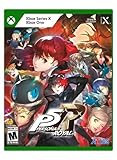
Persona 5 Royal: Standard Edition - Xbox Series X | $58.99 | Buy on Amazon |
| 4 |

|
Persona 3 Reload: Standard Edition - PlayStation 5 | $19.40 | Buy on Amazon |
As an Amazon Associate I earn from qualifying purchases.
Start with four filters
1. Check content boundaries first
Age ratings are the fastest way to remove games that are unsuitable for your household or personal limits. The ESRB rating is about themes and presentation, not challenge. A Teen-rated game can still demand careful planning, while a Mature-rated game may offer a generous easy mode.
What’s actually slowing this PC down?
Pick the symptom - the matching free tool is one click away.
- Teen: Octopath Traveler is rated T for Blood, Fantasy Violence, Mild Language, Suggestive Themes and Use of Alcohol.
- Mature 17+: Persona 5 Royal is rated M for Blood, Drug Reference, Partial Nudity, Sexual Themes, Strong Language and Violence. Yakuza: Like a Dragon is rated M for Blood, Intense Violence, Sexual Themes, Strong Language and Use of Alcohol.
- Mature 17+ with especially broad choice consequences: Baldur’s Gate 3 is listed for Blood and Gore, Partial Nudity, Sexual Content, Strong Language and Violence.
Read the descriptors rather than relying on the letter alone. “Sexual Themes,” “Sexual Content,” “Drug Reference,” and “Use of Alcohol” do not describe identical experiences, and the amount of optional material varies by game. If you are choosing for a younger player, review the full rating summary and decide whether the themes, language and depictions fit your situation.
#1 Best Overall
- Base game and over 40 items of previously released downloadable content
- Explore Tokyo, unlock Personas, customize your own personal Thieves Den, experience alternate endings, and more
- Become the ultimate Phantom Thief and defy conventions, discover the power within, and fight for justice in the definitive version of Personal 5 Royal
- Choose between Japanese and English VO
2. Match the setting and tone
Turn-based combat is only one part of an RPG. Decide whether you want a modern supernatural drama, a traditional fantasy journey, a tactical fantasy sandbox or a crime melodrama with comedy.
- Modern Tokyo supernatural drama: Persona 5 Royal follows students through school life, friendships, romances, work and supernatural Persona battles.
- Classic fantasy ensemble: Octopath Traveler presents eight protagonists in Orsterra and emphasizes building a party from different character roles.
- Choice-driven fantasy sandbox: Baldur’s Gate 3 structures most missions around turn-based encounters and lets your decisions reshape situations and consequences.
- Contemporary crime story: Yakuza: Like a Dragon follows low-level yakuza Ichiban Kasuga through a clan feud while mixing dramatic scenes with humor, quests and leveling.
Tone affects how often you will want to play. A long school-life schedule feels different from a sequence of open-ended tactical missions, even if both use menus and turns.
3. Identify the combat structure
Ask what you want to do during each turn. Menu-based party systems generally ask you to select commands, exploit weaknesses and manage roles. Tactical mission systems add movement, positioning, ability ranges, environmental interactions and more ways to recover from a bad plan.
Quick wins for a faster PC:
Clear out junk files and repair common Windows errorsFree Scan →Fix the driver behind crashes, sound loss and screen glitchesFind Drivers →Repair Windows errors before they cause bigger problemsFix Now →- Command-focused party combat: Octopath Traveler explicitly describes command-based battles and an eight-character party. Success comes from learning enemy weaknesses, arranging a balanced team and choosing when to spend powerful actions.
- Hybrid social and menu combat: Persona 5 Royal combines turn-based Persona fights with time spent on activities, relationships and preparation. Your calendar and party development matter as much as an individual encounter.
- Tactical mission encounters: Baldur’s Gate 3 asks you to experiment with abilities and positioning against creatures such as gnolls, orcs and goblins. The turn order is only one layer of the decision-making.
- Party-based role progression: Yakuza: Like a Dragon turns Ichiban’s journey into a party RPG with character leveling and battles against enemy clans. The appeal is the combination of jobs, companions, quests and story momentum.
4. Separate difficulty controls from tolerance for experimentation
Difficulty can mean enemy strength, the amount of planning required, how punishing a mistake is, or how much optional grinding you are willing to do. Only Persona 5 Royal has a clearly documented beginner route among these four games: Atlus says you can choose a difficulty at the start, that story content is unaffected, and that SAFE or EASY is recommended for people who mainly want the story.
For the other titles, the available evidence does not establish a universal ranking from easiest to hardest. Instead, estimate your fit by asking whether you enjoy testing party combinations, targeting weaknesses, repositioning characters and learning systems without a single guaranteed solution.
At-a-glance comparison
| Game | Content rating and descriptors | Setting and tone | Combat emphasis | Documented difficulty guidance |
|---|---|---|---|---|
| Persona 5 Royal | ESRB M 17+: Blood, Drug Reference, Partial Nudity, Sexual Themes, Strong Language, Violence | Modern Tokyo supernatural drama with school life and relationships | Turn-based Persona battles connected to calendar and social systems | SAFE or EASY recommended by Atlus for story-focused players; story content is unchanged by level |
| Octopath Traveler | ESRB T: Blood, Fantasy Violence, Mild Language, Suggestive Themes, Use of Alcohol | Fantasy world of Orsterra; eight protagonists | Command-based party battles and weakness-focused planning | No universal ranking established; expect party planning and system learning |
| Baldur’s Gate 3 | ESRB M 17+: Blood and Gore, Partial Nudity, Sexual Content, Strong Language, Violence | Choice-rich fantasy adventure | Turn-based mission encounters with abilities, positioning and consequences | No cross-game ranking established; tactical experimentation is central |
| Yakuza: Like a Dragon | ESRB M 17+: Blood, Intense Violence, Sexual Themes, Strong Language, Use of Alcohol | Contemporary crime melodrama mixed with humor | Turn-based fights against enemy clans with party leveling | No universal ranking established; progression and party management shape the experience |
Persona 5 Royal: the safest pick for a story-first beginner
Why it stands out
Choose Persona 5 Royal when you want a long, character-centered campaign in a recognizable modern setting and prefer an explicit way to reduce battle pressure. The game alternates between school days, after-school activities and supernatural excursions. You can build friendships, pursue romances, shop, watch movies, visit public baths and work part time while developing Personas for combat.
Rank #2
How the difficulty option changes your decision
Atlus states that the story content is not affected by the level you choose and recommends SAFE or EASY for players who mainly want to enjoy the story. That makes the title unusually straightforward to recommend to newcomers: select the lower setting at the beginning, learn the turn system at your own pace, and raise the challenge later only if you want more pressure. The option addresses combat difficulty; it does not remove the game’s mature themes.
Who should reconsider
Do not choose it solely because it has an easy mode if the M-rated content conflicts with your boundaries. The rating includes drug references, partial nudity, sexual themes, strong language and violence. Also consider the time commitment created by its calendar, relationship and activity systems. Players who want a short, combat-only adventure may find the school-life structure more involved than expected.
Octopath Traveler: classic fantasy party building with a Teen rating
Why it stands out
Octopath Traveler is the strongest fit when your priority is a fantasy world, multiple protagonists and traditional party construction without the M-rated descriptors attached to the other examples. Its eight heroes give you a broad roster to assemble and adjust, while Orsterra provides the setting for their separate and intersecting journeys.
What each turn asks you to learn
The command-based battle system rewards attention to enemy weaknesses and deliberate party planning. You choose attacks from a menu, decide which character should expose a weakness, and manage when to use stronger actions. This is not a numeric promise that the game is easy or difficult; it is a description of the skills that determine whether it feels comfortable. Players who enjoy experimenting with combinations will have more room to adapt than players who want one permanently optimal team.
Content and tone check
The ESRB lists Blood, Fantasy Violence, Mild Language, Suggestive Themes and Use of Alcohol under its Teen rating. That is a lower content intensity than the Mature-rated recommendations in this guide, but it is not content-free. Review those descriptors if you are selecting a game for a younger player or avoiding particular themes.
Do these 3 things before closing this tab:
1Repair Windows errors before they cause bigger problems2Fix the driver behind crashes, sound loss and screen glitches3Clear out junk files and repair common Windows errorsBaldur’s Gate 3: tactical freedom for players who enjoy consequences
What makes it different
Baldur’s Gate 3 is the best match for players who want to solve encounters rather than simply select the strongest menu command. Most missions use turn-based combat against threats including gnolls, orcs and goblins. Positioning, ability combinations, timing and creative use of the environment can all influence an outcome. The same decision-rich design extends beyond battles, where choices can change relationships and later situations.
Rank #3
- Prepare for the award-winning RPG experience in this definitive edition of Persona 5 Royal
- This title is packed with beloved characters, confidants, story depth, and plenty of locations to explore with many opportunities to strengthen your abilities in the metaverse and in your daily life
- Explore Tokyo, unlock Personas, customize your own personal Thieves Den, experience alternate endings, and more
- Become the ultimate Phantom Thief and defy conventions, discover the power within, and fight for justice in the definitive version of Personal 5 Royal
Is it too difficult?
There is no reliable cross-game evidence that Baldur’s Gate 3 is objectively the hardest title here. It can feel demanding because it offers many interacting systems and often permits several valid approaches. A player comfortable with experimentation may find that freedom empowering; someone who wants a guided sequence of clearly signposted commands may find the number of options tiring. Judge your tolerance for reading tooltips, trying a plan, and adapting after an unexpected result rather than relying on a simple easy-versus-hard label.
Content warning
The ESRB lists Blood and Gore, Partial Nudity, Sexual Content, Strong Language and Violence. Those descriptors are central to the purchase decision. If any of them are outside your limits, tactical freedom does not compensate for the mismatch.
Yakuza: Like a Dragon: crime drama, humor and party progression
Why it stands out
Pick Yakuza: Like a Dragon if you want a contemporary setting and a protagonist-driven crime story rather than fantasy or supernatural school drama. The story follows low-level yakuza Ichiban Kasuga through a clan feud. Quests, character leveling and a growing party give the campaign the structure of a traditional RPG while the writing balances serious stakes with comic detours.
How the RPG layer affects play
Your decisions revolve around developing the party and choosing how to approach encounters with enemy clans. The appeal is the steady connection between story events, side quests and progression: optional activities can make your group stronger, while leveling provides a clear reason to explore. This is a good middle ground for players who want turn-based systems without a purely medieval setting.
Content warning
The ESRB rating is M 17+ for Blood, Intense Violence, Sexual Themes, Strong Language and Use of Alcohol. Consider those descriptors before buying, especially if you are choosing for a shared family space. The game’s comic tone does not remove the mature material identified by the rating.
Independent reader supportYour contribution helps us test, update, and keep practical guides available for everyone.Choose by the experience you want, not by a difficulty label
If story access matters most
Start with Persona 5 Royal and select SAFE or EASY. Its documented setting lets you protect the story experience from a punishing combat curve. If its mature content or school-life structure is unsuitable, consider whether Octopath Traveler’s fantasy storytelling and party focus better fit your boundaries.
Rank #4
- Experience the pivotal game of the Persona series faithfully remade with cutting-edge graphics, modernized quality-of-life features, and signature stylish UI.
- Fully immerse yourself in an emotional, gripping journey with new scenes and character interactions, additional voiceover, and a reloaded soundtrack.
- Choose how to meaningfully spend each day through various activities from exploring the Port Island to forging genuine bonds with beloved characters.
- Build and command your optimal team to take down otherworldly Shadows and climb closer to the truth.
If you want the lowest content intensity among these four
Octopath Traveler is the only Teen-rated option in this group. Its descriptors still include blood, suggestive themes and alcohol use, so treat “Teen” as a screening signal rather than a guarantee that every scene will be comfortable.
If you want the most tactical experimentation
Baldur’s Gate 3 gives you the broadest emphasis on positioning, abilities and consequences. Choose it when discovering a solution is part of the fun. It is a poor match if you dislike reading systems or recovering from plans that produce unexpected results.
If you want modern crime and party leveling
Yakuza: Like a Dragon is the focused choice for a contemporary clan-feud story with humor, quests and character progression. Its M rating should be accepted before you evaluate its combat.
If you are deciding between Persona 5 Royal and Octopath Traveler
Choose Persona 5 Royal for modern supernatural drama, relationships, activities and a documented SAFE/EASY story route. Choose Octopath Traveler for fantasy, eight protagonists, command-based battles and a Teen rating. The choice is primarily about setting, tone and content boundaries; neither game’s appeal can be reduced to a single difficulty score.
A practical selection process for any turn-based RPG
- Write down non-negotiable content limits. Note whether blood, strong language, sexual material, drug references, alcohol use or partial nudity are acceptable. Check the complete age-rating descriptors for the specific edition and region you intend to buy.
- Pick a setting before reading mechanics. Decide between modern life, fantasy, tactical adventure and crime drama. A compelling setting is more likely to keep you engaged through a long campaign than a feature list alone.
- Watch or read one representative battle description. Look for the verbs you enjoy: selecting commands, exposing weaknesses, moving characters, combining abilities, managing a calendar or upgrading a party.
- Check the documented difficulty controls. Look for selectable modes, whether they can be changed later, and whether they affect story content. Do not infer a game’s difficulty from its rating or from another player’s experience.
- Estimate your planning tolerance. If you prefer low friction, prioritize an explicit easy route. If you enjoy trial and error, a system with more interactions may be rewarding even without a published difficulty ranking.
- Plan for the time structure. Calendar-driven games ask you to divide attention between activities and battles. Open-ended tactical games may let you spend longer on a single mission. Party-focused adventures usually reward regular upgrades and exploration.
- Recheck the exact edition and platform. Menus, included content and rating details can vary by edition or region. Confirm the listing you are purchasing rather than assuming every release is identical.
How to avoid common mismatches
Confusing content rating with challenge
An M rating does not mean a game is mechanically difficult, and a T rating does not mean it is beginner-friendly. Use the rating to screen themes, then use difficulty options and combat descriptions to estimate workload.
Choosing a setting you do not actually enjoy
A sophisticated battle system cannot rescue a premise that does not interest you. If you dislike school schedules, Persona 5 Royal’s social calendar may feel like an interruption. If you want grounded crime drama, a fantasy roster in Octopath Traveler may not provide the emotional context you want.
Expecting one universal difficulty ranking
The available descriptions do not establish a shared scale for these games. Difficulty is affected by party choices, knowledge of weaknesses, willingness to explore and comfort with experimentation. Treat personal fit as the variable you can evaluate, not an unsupported claim that one title is simply hardest.
Ignoring optional systems
Side activities can be central to progression and pacing. Persona 5 Royal ties activities and relationships to preparation; Yakuza: Like a Dragon connects quests and leveling; Octopath Traveler rewards party planning; Baldur’s Gate 3 allows optional approaches and consequences. Decide whether you want to engage with those systems instead of assuming they are disposable extras.
Quick Recap
Content and difficulty checklist before you buy
- Have you read every ESRB descriptor, not just the age letter?
- Does the setting match the tone you want for a long campaign?
- Do you prefer menu commands, weakness targeting, tactical movement or party leveling?
- Is there a documented difficulty mode that addresses your concern?
- Are you comfortable experimenting without a universal difficulty ranking?
- Will the game’s calendar, side quests or optional systems fit the amount of time you want to invest?
- Are you checking the specific edition, platform and region rather than a generic listing?
Product prices and availability are accurate as of the date/time indicated and are subject to change. Any price and availability information displayed on Amazon at the time of purchase will apply.

