
What’s actually slowing this PC down?
Pick the symptom - the matching free tool is one click away.
Neither the publisher nor the developer automatically takes control when the other files for bankruptcy. Control depends on the signed development or publishing agreement, the chain of title for each game asset, the bankruptcy court’s treatment of any unexpired contract, and the terms of an approved sale or assignment.
A studio may own the copyright while a publisher holds exclusive rights to manufacture, distribute, market, operate, or license the game. Conversely, a publisher may own the intellectual property outright while the developer has only a limited service or license arrangement. Bankruptcy changes who administers and may transfer those rights; it does not, by itself, rewrite the original allocation.
As an Amazon Associate I earn from qualifying purchases.
Ownership is not the same as the right to exploit a game
A video game is a bundle of separate legal assets rather than one indivisible object. Source code, object code, artwork, animation, music, dialogue, story elements, trademarks, domain names, middleware licenses, marketing materials, server software, and player data can have different owners and contractual restrictions.
Copyright ownership answers who owns the underlying work and can authorize uses reserved to copyright owners. A license answers what another party may do without owning the copyright. A publisher can therefore have an exclusive, worldwide, long-term right to reproduce and distribute a game while the developer remains the copyright owner. The reverse is also possible: a publisher can own the game and hire a studio only to provide development services.
#1 Best Overall

- BLUE LIGHT BLOCKING GLASSES: Our blue light glasses for women boast UV400 protection, blocking harmful blue rays from computer screens. With these bluelight glasses women, you can enjoy gaming, reading, or watching TV with no worries of eye strain.
- EYE RELIEF: Our blue light glasses are engineered to reduce blurry vision or strain caused by prolonged screen time. These womens blue light glasses aid in better sleep by preventing blue light from disrupting your natural sleep cycle, helping you fall asleep faster and enjoy a more restful night's sleep, making them the perfect christmas present.
- COMFORTABLE: Crafted from durable material, our trendy blue light glasses for woman or blue light glasses men ensure long-lasting comfort. The high-transmittance lenses accessories, gamer gifts for men, help keep your eyes relaxed. Perfect stocking stuffers, gifts for gamers men, christmas gifts for men, halloween costumes.
- LIGHTWEIGHT: These clear blue light glasses feature a lightweight frame, meaning they’ll stay comfy for long-term wear. Perfect as blue blockers glasses for women or mens blue light glasses, these non-prescription fake glasses for men can be worn throughout the day. The blue light blocking glasses women feature polycarbonate HD lenses, which are anti-reflective and restore true color.
- WORRY-FREE PURCHASE: If you experience any issues, our support team is ready to assist you quickly. These are the perfect costume glasses for cosplay dressing up.
The Fifth Circuit’s TimeGate Studios v. Southpeak opinion illustrates the distinction. The agreement identified the developer as owner of the game’s intellectual-property rights, while giving the publisher specified exclusive rights and remedies. The publisher was responsible for funding, manufacturing, marketing, distributing, and selling the game; the developer was responsible for developing it. Those operating rights did not automatically convert into ownership.
WIPO’s 2014 guide describes the opposite starting point as common when a publisher commissions a game from its own concept or from licensed property: “In a situation where the publisher hires a developer to create a game based on a publisher’s original concept or licensed property, the publisher, and not the developer, will own the intellectual property rights to the game in the vast majority of situations.” That statement is a general description, not a substitute for reading the particular contract or applying the law of the relevant country.
First question: who owns each component?
Before asking what bankruptcy does, make an asset-by-asset inventory. A contract may assign the finished game but leave third-party music, middleware, fonts, or motion-capture material under separate licenses. A buyer cannot receive more than the debtor owned or was authorized to transfer.
Code and tools
Determine whether employees created the code within employment, whether contractors signed written assignments, and whether the agreement covers tools, engines, development kits, build scripts, and source-code repositories. A studio may own its reusable engine while granting the publisher a license to the game built with it. Open-source and commercial middleware licenses can impose their own notice, source-disclosure, platform, or assignment conditions.
Art, music, writing, and performance
Check assignments and waivers from artists, composers, voice performers, writers, and outsource vendors. A publisher’s ownership clause is only as strong as the chain of title delivered by the developer. Territory, term, media, soundtrack, promotional, and sequel rights may have been negotiated separately.
Rank #2
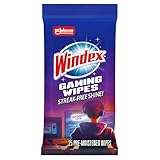
- WINDEX GAMING WIPES: effortlessly clean all your gaming gear and gaming electronics in one easy step with our new Windex Gaming Wipes
- AMMONIA FREE: our ammonia-free formula is safe to use on all of your favorite gaming equipment like consoles, headsets, controllers, screens, keyboards, and more
- PRE-MOISTENED WIPES: each wipe instantly removes dust, dirt, and stubborn smudges and fingerprints leaving a streak-free shine
- ANTI-STATIC: great for cleaning and wiping down your gaming gear and electronics leaving behind no visible residue
- COMPACT RESEALABLE PACKAGE: store your pack of Windex Gaming Wipes anywhere in your home for whenever a quick and easy wipedown is needed
Trademarks and other identifiers
Game titles, logos, character names, and studio marks are distinct from copyright. Search the agreement for trademark ownership, quality-control duties, and rights to use the marks after termination. A sale of copyright does not necessarily transfer every related mark or domain name.
Player data and live-service materials
Account databases, telemetry, moderation records, payment records, and cloud-hosted assets may be subject to privacy, consumer-protection, platform, and data-location rules. The party that owns the code may not have unrestricted authority to transfer personal data or continue every online service.
Quick wins for a faster PC:
Repair Windows errors before they cause bigger problemsFix Now →Scan for outdated or missing drivers - takes under a minuteDriver Scan →Clear out junk files and repair common Windows errorsFree Scan →Contract terms that decide the starting position
Read the complete agreement and its exhibits, amendments, side letters, platform deals, and later settlement documents. The following clauses usually determine who can act before and after a filing:
- Ownership and work-for-hire: identifies the initial author or owner and whether commissioned material is assigned. WIPO cautions that work-for-hire rules are jurisdiction-specific. U.S. law treats qualifying commissioned works differently from countries such as France and Germany, where natural-person creators generally remain authors and owners unless another legal or contractual result applies.
- Assignment: states whether copyrights, trademarks, source materials, and proceeds were transferred. Look for present assignments, future-assignment promises, and obligations to sign confirmatory documents.
- License scope: specifies reproduction, distribution, public performance, display, hosting, updates, patches, localization, sublicensing, merchandising, and use of source code.
- Exclusivity: an exclusive license can prevent the owner from granting the same rights to anyone else, while a nonexclusive license leaves room for competing exploitation.
- Term and territory: a perpetual worldwide grant differs materially from a five-year license limited to particular countries, platforms, or storefronts.
- Sequels and derivative works: a right to publish the original game does not automatically include expansions, remasters, ports, sequels, characters, or adaptations.
- Termination and reversion: identifies cure periods, insolvency triggers, missed milestones, royalty defaults, and whether rights return to the developer.
- Source-code escrow and access: controls when the publisher may obtain repositories, build tools, keys, and documentation if the studio stops operating.
- Consent and personal-service terms: a contract may prohibit assignment without consent or depend on named personnel. Those provisions can limit a bankruptcy buyer’s ability to take over.
What bankruptcy changes
When a company files, its property and contractual interests are administered through the bankruptcy estate. The filing does not erase a counterparty’s ownership or grant the debtor new intellectual-property rights. The important question is whether an unexpired publishing, development, or license agreement is an executory contract—one on which material performance remains due on both sides.
Executory contracts
The 4Kids decision treated a 2008 licensing agreement as executory after the Chapter 11 filing. That classification matters because the debtor, usually through a trustee or debtor in possession, must decide whether to assume, reject, or seek authority to assign the contract. The court may set deadlines and require cure of defaults or adequate assurance of future performance.
Rank #3

- Ergonomic & Adjustable Design: Fight "text neck" and improve your posture. Designed for comfort, it offers an adjustable height (7.1in-8.5in) (1.4in adjustable range) and angle (5°-85°) Please note: cell phone stand is only 9 inches tall—the length of a standard pencil
- Without blocking subtitles Perfect for office desk Tiktok Face Time Zoom video—this is the ultimate kitchen desk essential for phones! Perfect viewing experience while reducing neck back strain, A must-have for gamers streamers desk, and anyone who values both style and support!
- Sleek & Stable Design fits Otterbox Case: Say goodbye to bent cables, tangles, and tip-overs! LISEN’s stylish adjustable desk phone holder features a built-in charging hole and smart cable management, keeping your phone secure and your workspace clutter-free cool gadgets for men
- ANTI-SLIP DESIGN free hands: The under 10.00 items easy gadgets back and the bottom of this kitchen essentials for women are fully covered by anti-skid silicone, which LISEN stand up desk decor can provide maximum protection device from any scratches and slides
- Your Perfect Viewing Companion:If your product arrives damaged or breaks within 365 days, reach out to LISEN for a quick and hassle-free solution. Struggling with assembly, like tightening the screw? We’ve got your back! Your experience matters to us. (Product including: phone Holder stand*1, screw*1, hexagon screwdriver*1, specification*1)
Assumption
Assumption keeps the contract in force. The estate generally must cure monetary defaults, address nonmonetary breaches when required, and demonstrate that future performance will be provided. An assumed publishing deal can preserve the existing license, payment obligations, delivery duties, and exclusivity, subject to the court’s order.
The Tool Desk
Outbyte Driver Updater FREEScan for outdated or missing drivers - takes under a minuteDriver Scan →Outbyte PC Repair FREEClear out junk files and repair common Windows errorsFree Scan →Rejection
Rejection is treated as a breach by the debtor, not as an automatic cancellation that hands every right to the counterparty. The nondebtor party may have a damages claim and may pursue contractual or statutory remedies, but the exact consequences depend on the agreement, bankruptcy order, and applicable law.
Section 365(n): when a licensee can keep intellectual-property rights
Section 365(n) of the U.S. Bankruptcy Code can protect a qualifying intellectual-property licensee when the debtor rejects the license. Instead of treating rejection as the end of the grant, the licensee may elect to retain the licensed rights for the duration of the agreement, together with rights to the intellectual property covered by the license, provided it continues to make required payments and performs its contractual obligations.
The protection is not automatic. The licensee must identify the agreement, make the election in the bankruptcy case, and continue the burdens it chooses to keep. A Take-Two agreement filed with the Securities and Exchange Commission expressly states that the licensee may retain rights under section 365(n) after rejection, subject to continuing payments and other obligations. The clause demonstrates how parties commonly memorialize the statutory option; it does not expand section 365(n) beyond the statute.
Whether a particular game agreement qualifies can be contested. The grant must be a license of intellectual property as defined by the Bankruptcy Code, rather than merely a services contract or a right to receive future work. The election also preserves only the rights actually granted. If the contract licensed distribution of the original game but not sequels, source code, or server operation, section 365(n) does not create those additional rights.
Free tools Windows power users keep installed
One-click scans. No signup required.
Rank #4

- Easy Installation: Our gaming lights have been designed to enhance your entertainment experience. Simply position the led light bar next to your TV or game console to create a game room environment with ease. They come with USB power and a 60 inch cord for direct mounting and mobility
- Audio Syncing & Extensive Mode: The built-in high-sensitivity music sensor allows you to sync the TV led lights to your favorite music. Lights react and move to the beat of music, film and game audio, creating an incredible immersive sound and light experience – and all without the need for an additional hub. You can choose from 64+ patterns, including strobe, illusion, jump, energy, gradient, running, chasing, fluttering mode etc. Each mode can be applied to different scenes
- 64+ Chasing IC+RGB & W Effect: The independent control design of IC+RGB and white all-in-one multifunctional rgbw led bar lights monitor backlight allows you to easily switch the led lights for desk between IC+RGB and white to enjoy a variety of lighting effects, you can choose white lighting mode with high brightness for better illumination when working, etc. Choose IC+RGB lighting mode when you need to create an entertaining atmosphere for the light show, 16 million colours of Color changing rgb light bar let you dance to the beat and create a dynamic party atmosphere
- Dynamic and Dimmable Lights: 1%-full brightness free brightness adjustment gives you the flexibility to adjust dimmable led light bar for room decorations or a variety of occasions
- USB Powered: USB light bars for room can be powered by powernank, usb charger, TV, Monitor, laptop PC mainframe, making behind TV led lighting bar easy to install in any location.TV led lights are powered by the TV usb interface / PC mainframe, can be turned on/off synchronously with TV / PC
What a bankruptcy sale can transfer
A bankruptcy buyer receives the assets and contract rights that the court authorizes the estate to sell or assign. A sale order may cover owned copyrights, trademarks, source materials, domains, physical inventory, and assumed contracts. It may also approve assumption and assignment of a development agreement to the buyer.
The buyer does not receive a larger bundle merely because it paid for the game’s brand. The New York City Bar’s discussion of intellectual-property transactions emphasizes analyzing the “bundles of rights” transferred—such as exclusivity and the right to use—rather than assuming that every license is an ownership transfer.
Assignment limits
Bankruptcy law can permit assignment despite ordinary anti-assignment language, but exceptions and practical limits remain important. A contract based on the debtor’s unique personal performance, a requirement for the counterparty’s consent, confidentiality obligations, or a third-party platform license may restrict what can be transferred. The sale order may preserve those conditions, require consent, or exclude the contract entirely.
Clean-title questions
Review the notice of sale, asset-purchase agreement, assumption-and-assignment schedule, cure amounts, objections, and final sale order. Confirm whether the buyer acquired the copyright itself, an exclusive license, only physical inventory, or a limited right to operate servers. Also check whether liens were released and whether any creator, platform, music, or middleware rights were excluded.
Which party controls which practical activity?
| Activity | Questions that decide control | Possible result |
|---|---|---|
| Sell existing copies | Who owns distribution rights, inventory, and storefront accounts? | Publisher, developer, buyer, or a shared arrangement depending on the grant and sale order. |
| Release patches and updates | Does the license cover modifications, source code, build tools, and platform submissions? | A party may sell the game yet lack authority or technical access to patch it. |
| Operate online servers | Who may host, process player data, use backend code, and pay infrastructure and platform fees? | Server operation can remain with a developer or require separate data and platform permissions. |
| Make a sequel or expansion | Does the agreement grant derivative-work, sequel, character, or franchise rights? | Ownership of the first game alone may not include sequel rights. |
| Use the title and logos | Who owns the trademarks, domains, and quality-control rights? | A copyright buyer may still need a trademark license or assignment. |
| License the game to another company | Is sublicensing allowed, and is the license exclusive, assignable, and worldwide? | An exclusive licensee may sublicense within scope; a nonassignable or personal license may not transfer. |
| Access source code | Is there an escrow release, repository assignment, or continuing service duty? | Neither party necessarily receives source code merely by owning distribution rights. |
How to analyze a specific game after a filing
- Identify the debtor and filing chapter. Confirm which entity filed, the petition date, case number, and whether a parent, subsidiary, publisher, or developer is actually the contracting party.
- Build a rights inventory. List code, art, music, writing, trademarks, domains, middleware, source repositories, physical stock, server infrastructure, and player data. Record the creator and any third-party license for each item.
- Collect the operative contracts. Obtain the signed development or publishing agreement, amendments, platform and middleware licenses, music agreements, escrow terms, settlement documents, and any later assignment.
- Mark every grant and restriction. Extract ownership, work-for-hire, assignment, exclusivity, territory, term, platform, sequel, derivative-work, sublicensing, termination, reversion, consent, and confidentiality language.
- Separate ownership from operating rights. Make a matrix showing who may reproduce, distribute, market, monetize, patch, host, sublicense, make sequels, and access source code. Do not treat one broad word such as “rights” as resolving every activity.
- Determine executory status. Ask what material duties remained on the petition date: funding, development milestones, royalties, support, marketing, updates, or server operation. The answer affects assumption, rejection, and cure.
- Track the bankruptcy decision. Read motions and orders concerning assumption, rejection, sale, licensing, exclusivity, cure amounts, and deadlines for objections or section 365(n) elections.
- Check the final order and plan. The confirmed sale order or plan controls what the purchaser actually received. Compare its schedules with the contract and note excluded assets, continuing obligations, and required consents.
- Verify third-party and cross-border limits. Platform terms, music licenses, privacy rules, and the law where creators live may narrow an otherwise broad grant.
- Preserve evidence and deadlines. Keep repository snapshots, notices, invoices, royalty statements, and correspondence. A licensee or creator may lose practical leverage by missing an election, cure objection, or claim deadline.
Common outcomes in familiar scenarios
The publisher files, but the developer owns the copyright
The developer may remain the copyright owner. If the publisher had an unexpired exclusive distribution license, the estate may seek assumption or assignment of that license, and a buyer may acquire it through an approved sale. If the license is rejected, the developer may regain practical control only to the extent the contract and bankruptcy order permit; rejection itself is not a blanket declaration that every right reverted.
Best Value
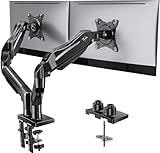
- Compatible with Wide Screens - To ensure compatibility with the dual monitor mount, your each monitor must meet three conditions at the same time: First, computer screens size range: 13 to 32 inches. Second, screen weight range: 4.4 to 19.8 lbs. Third, the back of the monitor screen must have VESA mounting holes with a pitch of 75x75mm or 100x100mm.
- Regarding the compatibility with desks - Your desk must meet three conditions at the same time: First, desk material: Only wooden desks are recommended, plastic or glass desks cannot be used. Second, desk thickness range: 0.59" - 3.54". Third, the bottom of the desk should not have any cross beams or panels, as this will interfere with installation. We recommend carefully checking that your desk and monitors meets all above conditions before purchasing.
- Dual C-Clamp Hold - Worried your dual monitors might wobble or slip? Our upgraded base uses a larger platform plus a dual C-clamp structure to lock the dual monitor arm firmly to your desk. Each arm safely keeps your screens steady while you type, click and game—no shaking, no sliding, just a clean and secure setup you can trust every day. It also provides Grommet Mounting installation choice, both options ensure stable and secure fixation for your 0.59" - 3.54" desk.
- Full-Motion Adjustment For Comfortable View - Pull the screen closer when you’re deep in a spreadsheet, push it back to watch videos, or rotate to portrait for coding — moving everything smoothly with just one hand. The monitor stand offers +85°/-50° tilt, ±90° swivel and 360° rotation. Raise your monitor up to 15.75″ to support a healthy sitting posture. Whether you’re working from home, gaming through the night, or switching between video calls and documents, getting the screens to your natural line of sight helps relieve neck, shoulder and back strain so you can stay focused longer with less fatigue.
- Keep Your Desk Organized: By lifting both screens off the desktop, this dual monitor stand opens up valuable space for your keyboard, notebook, docking station or a simple, clutter-free work area. Built-in cable management guides wires along the arms, keeping cords out of sight and out of the way. Enjoy a tidy, modern workstation that looks as good as it feels to use.
The developer files, but the publisher owns the game
The publisher’s ownership may place the copyright and trademarks outside the developer’s estate, while the developer’s unfinished services, source materials, or physical assets remain estate property. The publisher may need to obtain repositories, tools, or employee cooperation through the sale process or separate agreements.
The publisher has an exclusive license and the developer files
If the license qualifies under section 365(n), the publisher can elect to retain the granted rights after rejection while continuing payments and other obligations. The publisher still must prove the scope of the license and cannot claim ungranted sequel, territory, platform, or source-code rights.
Both companies file in related cases
Control can fragment further. One estate may own the copyright, another may hold distribution rights, and a platform or music licensor may control a critical component. Coordinated sale orders, intercompany agreements, and cure amounts become essential to a workable relaunch.
Crashes, No Sound, or Screen Glitches?
Random freezes, missing sound and display glitches usually trace back to one bad driver. Find and replace yours safely.Free scan · under a minuteWindows Errors? Fix Them Before They Spread
Repair common Windows errors and clear accumulated junk for a smoother, more stable PC - no reinstall needed.Free scan · no reinstallMistakes that produce wrong answers
- Assuming the company that paid for development owns everything. Payment and ownership are separate questions unless the contract connects them.
- Assuming a publisher’s storefront listing proves ownership. A storefront account or marketing presence may reflect an exclusive license, not title.
- Treating rejection as automatic reversion. Rejection is a bankruptcy breach; it does not itself rewrite the ownership clause or settle every remedy.
- Ignoring component licenses. One unassignable music, engine, or platform license can block a sale or relaunch.
- Reading only the asset-purchase agreement. The court’s assumption-and-assignment order, cure schedule, and exclusions define what was actually transferred.
- Overlooking geography and authorship rules. U.S. work-for-hire concepts do not automatically produce the same result in France, Germany, or another jurisdiction.
- Assuming ownership includes live operations. Data, hosting, moderation, payment processing, and platform compliance may require separate rights and continuing services.
What each stakeholder should document
Developers and creators
Keep signed assignments, contractor agreements, repository records, asset lists, royalty statements, and notices of termination or reversion. Identify which rights were licensed exclusively and which were retained. If the publisher files, monitor motions to assume, reject, or sell the agreement rather than relying on public statements about ownership.
Publishers and licensees
Preserve the executed license, proof of payments, delivery and acceptance records, source-code escrow materials, and evidence of continuing performance. In a Chapter 11 case, evaluate promptly whether to elect section 365(n), object to an assignment, or seek adequate assurance from a proposed buyer.
Potential buyers
Demand a rights schedule that separates owned intellectual property from licensed rights and lists every consent, cure payment, territory, platform, term, and exclusion. Confirm that the purchase includes the technical materials and third-party permissions needed for the intended business plan; a low purchase price does not cure a missing license.
When professional advice is necessary
This is general U.S.-oriented information, not a case-specific legal opinion. A named game requires review of the actual contracts, bankruptcy docket, sale or licensing orders, creator locations, platform terms, and privacy obligations. Bankruptcy deadlines can be short, and the right strategy may differ for a copyright owner, an exclusive licensee, a service provider, or a proposed buyer. Counsel experienced in intellectual-property transactions and bankruptcy can determine whether a license qualifies for section 365(n), whether assignment is permitted, and what relief the court can grant.
Bottom line
After bankruptcy, the practical winner can differ by activity. The developer may own the copyright, the publisher may hold exclusive distribution rights, and a bankruptcy buyer may acquire only the assets and contracts approved for transfer. To know who controls a particular game, map every component, read every grant and restriction, determine the contract’s executory status, check any section 365(n) election, and follow the final court order—not the labels “publisher” or “developer.”
Quick Recap
Product prices and availability are accurate as of the date/time indicated and are subject to change. Any price and availability information displayed on Amazon at the time of purchase will apply.

