
The Tool Desk
Outbyte PC Repair FREERepair Windows errors before they cause bigger problemsFix Now →Outbyte Driver Updater FREEFix the driver behind crashes, sound loss and screen glitchesFind Drivers →The Ocarina of Time remake keeps Hyrule’s recognisable geography, landmark order and structured progression, but rebuilds the kingdom as a denser, warmer and more navigable 3D world. The largest spatial change is Castle Town, where connected streets, shops and back alleys replace the original’s separated fixed-camera spaces. A free camera, dedicated jump button, quicker controls, continuous town day/night cycle, richer sound and expanded dialogue modernise the journey without turning it into an open-world Zelda.
Hyrule is rebuilt, not rearranged
Nintendo describes the project as remade with “completely overhauled visuals, fully voiced cutscenes, expanded character dialogue, symphonic orchestral music, reworked camera and movement controls, and more.” That description points to a presentation and usability overhaul rather than a new interpretation of Hyrule’s layout.
As an Amazon Associate I earn from qualifying purchases.
Preview coverage consistently recognises the same broad route: Link still begins among the Kokiri, obtains the Kokiri Sword, enters the Great Deku Tree, and eventually reaches familiar destinations such as the Forest Temple. The world is more detailed and more comfortable to move through, yet its progression remains deliberately ordered. You are not being dropped into a freeform landscape where every major objective can be tackled immediately.
Free tools Windows power users keep installed
One-click scans. No signup required.
The remake therefore changes how Hyrule feels at ground level. Surfaces have material detail, spaces have more visual depth, and the camera lets you inspect places that were previously seen from a narrow set of angles. Its identity still comes from the original game’s geography and sequence of landmarks.
#1 Best Overall

- The Legend of Zelda: Ocarina of Time 3D takes the Nintendo 64 classic - one of the most critically acclaimed games ever made - and returns it to the Nintendo 3DS & Nintendo 2DS system with the added depth and realism of stunning visuals
- Solve puzzles, travel through time and explore the immersive world
- The graphical upgrades and three-dimensional depth breathe new life into the expansive world of Hyrule New controls using the Nintendo 3DS & Nintendo 2DS system's technologies
- Switching items has never been simpler or quicker, with a touch-based inventory system Compatible with all consoles in the 3DS family
How the visual redesign changes the atmosphere
Original shapes, richer materials
The remake preserves the N64 game’s recognisable silhouettes and colour relationships while replacing its jagged, low-detail presentation. Hands-on reports describe visible wood grain, denser foliage, stitching in clothing, more convincing shadow, volumetric-looking sunlight and drifting mist. These are not changes to the locations’ basic identities; they are added layers that make the same locations feel physically inhabited.
The palette is also handled with restraint. Reporting characterises the new Hyrule as softer and warmer, rather than dramatically recoloured. Green fields, earthy wood and familiar landmark colours remain legible, so returning players can identify places immediately. The difference is that light now gives those colours more range: a shaded passage can feel cooler, while sunlight through foliage can produce a stronger sense of depth.
Fully modelled locations
Nintendo says locations have been fully remodelled. That wording matters because it indicates more than a high-resolution texture pass. Buildings, street edges, environmental props and background spaces have been rebuilt so that the camera can move through them without relying on the original’s carefully limited viewpoints.
Quick wins for a faster PC:
Repair Windows errors before they cause bigger problemsFix Now →Fix the driver behind crashes, sound loss and screen glitchesFind Drivers →Preview material is strongest on the visible improvements and less definitive about the final boundary of every area. Some details described in early coverage—especially the exact extent of additional streets—should be treated as preview information until the game launches. The confirmed direction is a denser, more complete Hyrule, not a claim that every familiar room has been expanded into a new explorable district.
Castle Town is the remake’s biggest spatial redesign
A connected market and street network
Castle Town receives the most obvious structural change. In the original, the market, shops, centre and alleys were experienced as separate fixed-camera spaces. The remake connects these parts more naturally, allowing Link to move through a town that reads as a continuous place rather than a chain of screens.
New or expanded backstreets and more detailed surroundings give the hub additional visual routes and incidental spaces to notice. The free camera lets you look above shopfronts, down side passages and across crowded areas in ways the original could not support. This does not necessarily mean every visible doorway leads to a new activity; it means the town’s architecture and circulation are presented as a more coherent whole.
NPCs make the town feel less static
Preview reports describe non-player characters speaking as Link passes, adding incidental dialogue to the movement through town. That change makes traversal itself part of the social texture. You can hear or encounter comments without stopping at a single interaction point, while expanded character writing gives familiar residents more room to establish the mood of the town.
Do these 3 things before closing this tab:
1Scan for outdated or missing drivers - takes under a minute2Clear out junk files and repair common Windows errors3Fix the driver behind crashes, sound loss and screen glitchesNintendo’s official material confirms expanded character dialogue and new environmental detail. Previewers provide the more specific observations about conversations triggered while walking, so those details should be understood as reported behaviour rather than a promise that every resident has a fully dynamic routine.
Rank #2

- GAMER COLLECTIBLE MODEL KIT – Adults ages 18 and up can share their love of video games with the LEGO The Legend of Zelda: Ocarina of Time – The Final Battle (77093) fantasy adventure building set, a display model with 5 iconic characters from the game
- LEGO CASTLE RUINS BUILDING SET – This detailed gaming collectible features a ruined castle area, Link, Zelda and Ganondorf minifigures, and 2 more iconic characters
- FEATURES AND FUNCTIONS – Recreate the final battle scene with movable rubble, a button to raise Ganondorf from the ruins, the hidden Megaton Hammer in the tower, secret Recovery Hearts and more
- ICONIC NINTENDO CHARACTERS – This nostalgic The Legend of Zelda building set includes a large, brick-built figure of Ganon and a small, transparent build to represent Navi the fairy
- GIFT FOR ADULTS – This building set makes a great gamer gift for fans of The Legend of Zelda series or collectible LEGO models, and makes a fun Nintendo character gift for birthdays or holidays
Why Castle Town matters more than a prettier hub
Castle Town is where the remake’s visual, camera and movement changes overlap. A connected layout gives the free camera meaningful work to do; extra detail makes looking around worthwhile; and quicker movement reduces the friction of crossing the hub repeatedly. The result is a place that feels like a lived-in capital instead of a staging area between dungeons.
Movement and camera controls are redesigned for modern play
Free camera with familiar lock-on combat
The remake moves camera control to the Right Stick, replacing most of the original’s fixed perspectives with a freely rotatable view. You can inspect corners before entering them, line up a path through a busy space and choose a more useful angle during exploration.
Z-targeting remains. That preserves the deliberate lock-on system that defines combat in Ocarina of Time, even though the surrounding camera is more flexible. The remake is therefore not abandoning the original’s combat language; it is separating player-controlled viewing from the target-lock system that handles fights.
A dedicated jump button
A dedicated jump button lets you decide when Link leaps. Preview reporting also describes roll and dash movement, giving traversal a more immediate rhythm than the N64 version’s context-dependent movement. These actions make small gaps, ledges and open ground feel more responsive, although they do not by themselves establish a free-climbing or physics-driven world.
Faster responses and equipment access
Nintendo lists snappier actions and faster loading among the remake’s changes. Previewers additionally note quicker equipment switching, which reduces the number of pauses needed to change items during exploration or dungeon puzzles. The practical effect is less interruption between seeing a problem and selecting the tool intended to solve it.
- Camera: the Right Stick provides free viewing in most situations.
- Combat: Z-targeting remains, preserving lock-on encounters.
- Movement: a dedicated jump and reported roll/dash options make actions more deliberate.
- Flow: faster performance, loading and equipment changes reduce downtime.
These changes modernise control without changing the game into an open-world action system. The route through Hyrule and the logic of its obstacles still come from the original adventure.
Is the redesigned Hyrule open world?
No. The remake offers freer camera control, more connected hubs and smoother traversal, but its progression remains structured. Familiar landmarks still appear in a recognisable order, and the major adventure remains organised around story gates, items and dungeon destinations.
The distinction is important. An open-world design would generally let you choose between many major objectives across a broadly accessible map. Here, the freedom is local and navigational: you can look around more easily, move through Castle Town more naturally and manage equipment with less friction. The remake expands the feeling of place without discarding the authored sequence that makes Ocarina of Time an adventure with a clear route.
Rank #3

- Officially Licensed by Fifth Sun
- 13NNTD237B
- Lightweight, Classic fit, Double-needle sleeve and bottom hem
Day and night now continue inside towns
Nintendo’s feature list specifies that the day/night cycle continues in towns rather than pausing at their boundaries. That makes time a more consistent property of Hyrule. A visit that begins in daylight can progress toward evening while you remain in a settlement, changing the light and atmosphere without requiring a trip back into the surrounding field.
This is an atmospheric and systemic change, not evidence that every town activity has been redesigned around a new schedule. It does, however, remove the old feeling that a town exists outside the world’s clock. Castle Town and other settlements now participate in the same passing day that governs the rest of the kingdom.
Sound and dialogue make the world more expressive
Symphonic music and refreshed audio
The remake replaces the original presentation with symphonic orchestral music and refreshed sound. Larger orchestral arrangements can give familiar themes more space, while additional ambient cues help separate a busy town from a forest, dungeon or open field. The goal is not to erase the original melodies; it is to present them with a fuller modern soundscape.
Crashes, No Sound, or Screen Glitches?
Random freezes, missing sound and display glitches usually trace back to one bad driver. Find and replace yours safely.Free scan · under a minutePC Slower Than It Used to Be?
A free scan shows the junk files, broken settings and background clutter dragging Windows down - then fixes them in one click.Free scan · Windows 10 & 11Which cutscenes are voiced?
Nintendo confirms fully voiced cutscenes, while preview reporting indicates that selected scenes receive full voice performances and Link remains silent. Ordinary conversations still use text in those reports. That means the remake adds spoken dramatic emphasis without turning every line of the adventure into continuous voice acting.
Expanded dialogue also affects scenes that remain text-based. Characters can communicate more context, and incidental comments in places such as Castle Town help the rebuilt environments feel inhabited. The exact distribution of voiced scenes and additional lines is best judged against the final release rather than assumed to apply to every conversation.
Navigation and new tracking systems
Threads of Time
Threads of Time is a new progress and objective tapestry. It records the adventure’s story movement and next objective while filling in as Link advances. For returning players, it can provide a quick reminder of the current route; for first-time players, it offers direction without requiring them to reconstruct every clue from memory.
Because it tracks progress rather than replacing the world map, Threads of Time is a guidance layer over the original progression. It does not turn the game into a checklist of unrelated tasks or change the order of the main landmarks.
What’s actually slowing this PC down?
Pick the symptom - the matching free tool is one click away.
Map, HUD and equipment options
An on-screen map and HUD options reduce friction in dungeons and hubs. The value is practical: players can orient themselves, adjust how much information is visible and reach equipment more quickly. These are quality-of-life changes that support the same puzzles and destinations rather than new geography.
Rank #4
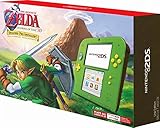
- This refurbished product is tested and certified to look and work like new. The refurbishing process includes functionality testing, basic cleaning, inspection, and repackaging. The product ships with all relevant accessories, and may arrive in a generic box
ZELDA NOTES companion features
ZELDA NOTES adds a daily record, hint-image Gossip Quests, a virtual ocarina and a quiz containing more than 2,000 questions. These features sit alongside the adventure instead of expanding Hyrule’s physical map. The daily record can document progress, while image-based hints and the quiz offer optional ways to revisit knowledge and observations from the game.
The virtual ocarina is a companion feature; it should not be confused with the remake’s in-game instrument controls. Nintendo also introduces microphone-enabled ocarina play, giving players an additional way to perform songs during the adventure.
Independent reader supportYour contribution helps us test, update, and keep practical guides available for everyone.What remains recognisably Ocarina of Time
The remake’s identity depends on what it refuses to replace. The broad geography, landmark logic and structured progression remain familiar. The Kokiri Sword, Great Deku Tree and Forest Temple are still recognisable destinations, and the route continues to be shaped by story, equipment and dungeon access.
That continuity also applies to the game’s basic relationship between hubs, fields and dungeons. A rebuilt surface does not imply a new world map, and a free camera does not remove the need to solve the original style of spatial puzzles. The remake is best understood as a substantial reinterpretation of presentation and control wrapped around the same adventure framework.
Original versus remake: the practical differences
| Aspect | N64 original | Remake |
|---|---|---|
| Visuals | Low-detail, jagged presentation shaped by N64-era limits | Rebuilt textures and models with richer materials, warmer lighting, stronger shadow and atmospheric detail |
| Castle Town | Market, shops and alleys presented as separate fixed-camera spaces | More naturally connected spaces, reported new or expanded backstreets, freely rotatable views and richer surroundings |
| Camera | Mostly fixed perspectives with context-based viewing | Free camera controlled with the Right Stick in most situations |
| Movement | Original movement scheme | Dedicated jump button, reported roll/dash movement and snappier responses |
| Combat | Z-targeting | Z-targeting retained alongside the freer camera |
| Time | Town boundaries could interrupt the day/night flow | Day/night cycle continues in towns |
| Audio | Original-era sound presentation | Refreshed audio and symphonic orchestral music |
| Dialogue | Original text-based presentation | Expanded dialogue and fully voiced selected cutscenes; Link remains silent in preview reporting |
| Progress guidance | Original navigation and reminder systems | Threads of Time tapestry, on-screen map and HUD options |
| World structure | Recognisable landmark route and authored progression | Broad geography and structured progression preserved; not an open-world redesign |
Release timing and what is confirmed
Nintendo lists the remake for Nintendo Switch 2 on 5 November 2026. The release date is the firm product-context detail currently attached to the redesigned Hyrule. Preview descriptions of particular Castle Town streets, incidental NPC triggers and the final distribution of voiced scenes may still be refined by the launch version.
Other announced products, including an ocarina, Young Link and Young Zelda amiibo, a 1,750-piece LEGO Link & Epona display model and an electronic Master Sword, are separate merchandise or accessory announcements. They do not represent additional changes to Hyrule itself, so they are not part of the remake’s geography or systems.
Who will notice the changes most?
- Returning players: Castle Town’s connected layout, new sightlines and continuous town clock will be immediately apparent because they alter familiar routines.
- New players: the free camera, map, objective tapestry and quicker equipment handling remove several older control and navigation barriers.
- Players seeking a new open-world Zelda: the remake is unlikely to satisfy that specific expectation; its freedom is in movement and observation, not in abandoning the original route.
- Players focused on atmosphere: rebuilt materials, warmer lighting, orchestral music, ambient cues and selected voiced scenes provide the largest sensory upgrade.
The bottom line on redesigned Hyrule
The remake changes Hyrule most successfully where the original’s limitations were most visible: camera control, environmental detail, hub connectivity, time continuity and presentation. Castle Town becomes a more coherent place to walk through, while the rest of the kingdom gains material richness and smoother traversal. Yet the recognisable landmarks, dungeon-led route and deliberate progression remain intact. This is a modernised Ocarina of Time, not a replacement built on open-world rules.
Quick Recap
Product prices and availability are accurate as of the date/time indicated and are subject to change. Any price and availability information displayed on Amazon at the time of purchase will apply.

