Quick wins for a faster PC:
Scan for outdated or missing drivers - takes under a minuteDriver Scan →Clear out junk files and repair common Windows errorsFree Scan →Fix the driver behind crashes, sound loss and screen glitchesFind Drivers →Some links on this page are affiliate links: if you buy through them we may earn a commission, at no extra cost to you.
For most games, hitting 1.0 is a victory lap. For Escape From Tarkov, it’s a pressure test that could expose every unresolved crack the community has learned to live with. After years of wipes, reworks, and systems held together by duct tape and patch notes, a full release doesn’t just mean “done.” It means judged, permanently.
Early access has been Tarkov’s greatest shield. Bugs are tolerated, balance swings are expected, and broken systems are excused as part of an ongoing experiment. The moment 1.0 hits, that shield disappears, and Tarkov stops being a brutal work-in-progress and starts being a product that has to justify every design choice.
As an Amazon Associate I earn from qualifying purchases.
The Tool Desk
Outbyte PC Repair FREERepair Windows errors before they cause bigger problemsFix Now →Outbyte Driver Updater FREEFix the driver behind crashes, sound loss and screen glitchesFind Drivers →Early Access Has Been Tarkov’s Safety Net
Right now, Tarkov benefits from an unspoken contract with its players. Desync deaths, inconsistent audio, scav AI snapping into aimbot mode, or ammo that deletes you through cover are all waved away with the same phrase: it’s still early access. That mindset buys Battlestate Games infinite slack, even when issues persist wipe after wipe.
A 1.0 label removes that context overnight. Problems that once felt tolerable suddenly feel unacceptable, especially when they directly affect PvP integrity. When hit registration, netcode, or server stability decide fights more than positioning or aim, players stop blaming themselves and start blaming the game.
Popular on Amazon

- TRIFORCE TITANIUM 50 MM DRIVERS — Our cutting-edge proprietary design divides the driver into 3 parts for the individual tuning of highs, mids, and lows—producing brighter, clearer audio with richer highs and more powerful lows
- HYPERCLEAR CARDIOID MIC — An improved pickup pattern ensures more voice and less noise as it tapers off towards the mic’s back and sides, with the sweet spot easily placed at the mouth because of the mic’s bendable design
- ADVANCED PASSIVE NOISE CANCELLATION — Sturdy closed earcups fully cover the ears to prevent noise from leaking into the headset, with its cushions providing a closer seal for more sound isolation
- LIGHTWEIGHT DESIGN WITH MEMORY FOAM EAR CUSHIONS — At just 240 g, the headset features thicker headband padding and memory foam ear cushions with leatherette to keep gaming in peak form during grueling tournaments and training sessions
- WORKS WITH WINDOWS SONIC — Make the most of the headset’s powerful drivers by pairing it with lifelike surround sound that places audio with pinpoint accuracy, heightening in-game awareness and immersion
Locking Systems Too Early Freezes Design Mistakes
Tarkov is still actively rewriting its own core systems. Armor hitboxes, recoil philosophy, weight penalties, trader progression, and the economy have all seen massive swings, often with mixed results. Some changes deepen immersion, while others quietly punish solo players or reward passive, risk-averse play.
Calling the game “complete” risks freezing these systems in a state that still feels experimental. Once 1.0 lands, radical overhauls become harder to justify, even if they’re necessary. The danger isn’t that Tarkov stops evolving, but that it evolves too cautiously, afraid to break what a finished product is supposed to represent.
What’s actually slowing this PC down?
Pick the symptom - the matching free tool is one click away.
Mainstream Exposure Is a Double-Edged Sword
A full release invites a new audience that hasn’t been hardened by years of Tarkov pain. These players won’t accept hour-long raid prep, opaque quest design, or deaths caused by inaudible footsteps and invisible hitboxes. They’ll judge Tarkov the same way they judge any other $40-$60 FPS on the market.
That scrutiny doesn’t just come from players. Reviews, platform features, and wider FPS discourse will frame Tarkov not as a niche hardcore sim, but as a finished shooter competing with far more polished experiences. If the first impression is frustration instead of tension, Tarkov risks being dismissed before its depth ever has a chance to click.
The Hardcore Community Could Feel Left Behind
Ironically, the players who stuck with Tarkov the longest may be the ones most alienated by 1.0. Many fear that full release means sanded edges, simplified systems, or balance changes aimed at retention instead of realism. Even small concessions, like reduced punishment for death or faster progression, can feel like betrayals of Tarkov’s original identity.
At the same time, keeping everything as-is risks burning out veterans who expected 1.0 to finally solve long-standing issues. That tension puts Battlestate in a no-win scenario, trying to satisfy new players without losing the ones who built the game’s reputation.
Free tools Windows power users keep installed
One-click scans. No signup required.
Early Access as a Shield: How Tarkov Benefited From Being ‘Unfinished’
For all the jokes about Tarkov never leaving beta, Early Access quietly became one of its most powerful design tools. Being “unfinished” gave Battlestate Games room to experiment, fail publicly, and course-correct without the full weight of mainstream expectations. Players didn’t just tolerate rough edges; they internalized them as part of the Tarkov experience.
That status reframed frustration as growing pains instead of deal-breakers. Desync deaths, scuffed audio, broken quests, and economy-breaking wipes were easier to swallow when the game openly admitted it was still in flux. Early Access didn’t excuse the problems, but it softened their impact.
Early Access Lowered the Stakes of Failure
In Early Access, radical changes were expected, even welcomed. When recoil was overhauled, inertia added, or armor hitboxes reworked, players argued about balance rather than questioning the game’s legitimacy. Tarkov could break its own meta because no one expected stability yet.
That freedom matters in a hardcore FPS built on interconnected systems. A tweak to weight penalties affects PvP pacing, loot routes, stamina management, and solo viability all at once. Early Access allowed Battlestate to pull those levers aggressively, knowing the community understood that nothing was final.
The Community Became Part of the Debug Process
Tarkov’s most dedicated players effectively acted as unpaid QA. Edge cases, exploits, economy abuse, and PvP cheese were surfaced at scale because the community expected to test systems, not just consume them. When something was broken, the question wasn’t “How did this ship?” but “How fast will it get iterated on?”
That mindset changes how feedback is framed. Bugs became data points, balance complaints turned into long-form Reddit breakdowns, and wipes reset expectations before frustration could calcify. Early Access created a feedback loop where instability fueled discussion instead of refunds.
“Beta” Softened the Game’s Harshest Design Choices
Tarkov’s most controversial mechanics thrived under the Early Access umbrella. Opaque quests, punishing deaths, extreme RNG, and minimal onboarding were accepted because the game wasn’t pretending to be accessible. New players blamed themselves, not the product, for getting crushed.
Once 1.0 drops, that dynamic shifts overnight. Systems that felt like deliberate design experiments will be judged as final decisions. The same mechanics that hardcore players defend as tension-building risk being labeled outdated, hostile, or poorly explained when the beta tag disappears.
Do these 3 things before closing this tab:
1Fix the driver behind crashes, sound loss and screen glitches2Clear out junk files and repair common Windows errors3Scan for outdated or missing drivers - takes under a minuteEarly Access Bought Time, Not Solutions
The danger is that Early Access masked how many of Tarkov’s issues remain unresolved at a foundational level. Netcode inconsistencies, audio reliability, AI behavior, and progression pacing have improved, but they’re not bulletproof. Early Access let those problems exist in a tolerable gray zone.
A full release removes that buffer. The shield that once protected Tarkov from harsher judgment disappears, leaving every rough edge exposed. What once felt like a living experiment may suddenly feel like a finished product that simply isn’t ready to be finished.
Systems Still in Flux: Progression, Wipes, and the Identity Crisis of 1.0
If Early Access was Tarkov’s shield, progression systems were its biggest moving target. Nearly every major patch reworked how players advance, earn money, and access power. That flexibility made sense in beta, but it becomes a liability the moment 1.0 claims to be a finished product.
Progression That Still Doesn’t Know What It Wants to Be
Tarkov’s progression sits in an awkward middle ground between MMO-style long-term investment and seasonal extraction shooter pacing. Trader loyalty, quest chains, hideout upgrades, and skill leveling all push players toward hundreds of hours per wipe. At the same time, balance passes constantly compress or accelerate that grind, signaling uncertainty about how long progression is supposed to last.
For hardcore players, this creates whiplash. One wipe rewards no-lifers who rush max traders in days; the next slams progression behind time-gated quests and RNG-heavy objectives. Locking that system at 1.0 risks freezing a version of Tarkov progression that neither side fully agrees on.
Wipes: Feature, Crutch, or Design Debt?
Wipes are Tarkov’s pressure release valve. They reset the economy, refresh PvP, and give new players a fighting chance before gear disparity explodes. More importantly, wipes have been the excuse that made broken metas, busted ammo curves, and runaway inflation survivable.
Also popular on Amazon

- 【Amazing Stable Connection-Quick Access to Games】Real-time gaming audio with our 2.4GHz USB & Type-C ultra-low latency wireless connection. With less than 30ms delay, you can enjoy smoother operation and stay ahead of the competition, so you can enjoy an immersive lag-free wireless gaming experience.
- 【Game Communication-Better Bass and Accuracy】The 50mm driver plus 2.4G lossless wireless transports you to the gaming world, letting you hear every critical step, reload, or vocal in Fortnite, Call of Duty, The Legend of Zelda and RPG, so you will never miss a step or shot during game playing. You will completely in awe with the range, precision, and audio quality your ears were experiencing.
- 【Flexible and Convenient Design-Effortless in Game】Ideal intuitive button layout on the headphones for user. Multi-functional button controls let you instantly crank or lower volume and mute, quickly answer phone calls, cut songs, turn on lights, etc. Ease of use and customization, are all done with passion and priority for the user.
- 【Less plug, More Play-Dual Input From 2.4GHz & Bluetooth】 Wireless gaming headset adopts high performance dual mode design. With a 2.4GHz USB dongle, which is super sturdy, lag<30ms, perfectly made for gamers. Bluetooth mode only work for phone, laptop and switch. And 3.5mm wired mode (Only support music and call).
- 【Wide Compatibility with Gaming Devices】Setup the perfect entertainment system by plugging in 2.4G USB. The convenience of dual USB work seamlessly with your PS5,PS4, PC, Mac, Laptop, Switch and saves you from swapping cables.
The problem is that a true 1.0 release raises an uncomfortable question: are wipes permanent, or were they always a beta-only solution? If wipes stay, Tarkov remains functionally seasonal while pretending to be a finished MMO-lite. If wipes go, the economy and endgame must suddenly support years-long persistence, something Tarkov has never convincingly proven it can do.
The Hardcore Fantasy vs. the Live-Service Reality
Battlestate has long pitched Tarkov as a hardcore, persistent survival experience. But its actual operation looks closer to a live-service shooter with recurring resets and meta shakeups. That tension has been manageable in Early Access, where experimentation was expected and forgiven.
Recommended Free Tools
At 1.0, that identity split becomes harder to ignore. A permanent progression Tarkov demands stability, clarity, and long-term balance. A wipe-based Tarkov demands frequent resets, aggressive tuning, and acceptance that nothing is ever truly final. Trying to be both risks satisfying neither.
Who Does 1.0 Actually Serve?
This is where the identity crisis sharpens. Veteran players have built their relationship with Tarkov around wipes, resets, and relearning systems. New players drawn in by a 1.0 launch will expect coherence, onboarding, and progression that makes sense without a community wiki open on a second monitor.
If 1.0 locks in systems that still rely on wipes to stay fun, Tarkov risks alienating newcomers while simultaneously telling veterans that the game they understand is supposed to be “done” now. That contradiction isn’t just philosophical; it directly impacts retention, perception, and how forgiving players are when things inevitably break again.
Balance, Cheaters, and Netcode: Problems That Become Unacceptable After Release
That identity crisis doesn’t exist in a vacuum. The moment Tarkov stamps a 1.0 label on itself, every long-standing flaw stops being a “work in progress” and starts being a shipped promise. Systems that were tolerated because wipes were coming, patches were frequent, and change was expected suddenly become the baseline experience players are told to trust.
Early Access buys patience. Full release spends it.
Balance Stops Being Experimental at 1.0
Tarkov’s balance has always lived in extremes, where ammo matters more than guns, recoil can flip metas overnight, and a single patch can redefine DPS viability across entire calibers. In beta, that volatility was part of the appeal; players adapted, theorycrafted, and waited for the next reset to clean things up. At 1.0, constant meta whiplash reads less like iteration and more like instability.
The problem is that Tarkov still leans on wipes to correct balance mistakes. Armor curves that invalidate mid-tier gear, progression bottlenecks that hard-lock traders, and skill scaling that favors nolifers all become far more punishing in a persistent environment. Without wipes as a safety net, every imbalance compounds instead of resetting.
Cheating Goes from “Expected” to Reputation-Defining
Cheating has been Tarkov’s most corrosive long-term issue, and Early Access has quietly shielded it from broader backlash. Hardcore players learned to shrug off suspicious deaths, write it off as desync or ESP, and queue again because wipes made losses temporary. A 1.0 audience will not be that forgiving.
At full release, every blatant wallbang and impossible head-eyes becomes a viral clip, not an anecdote buried on Reddit. New players don’t internalize Tarkov’s paranoia culture; they just see a $50–$150 game where progression is stolen by cheaters. Once that perception hardens, no amount of ban waves can fully undo it.
Netcode and Desync Are No Longer “Tarkov Things”
Veterans have internalized Tarkov’s netcode quirks as part of the experience. Peeker’s advantage, delayed hit registration, and dying behind cover are frustrations players have learned to mentally budget for. That tolerance evaporates the second Tarkov claims to be feature-complete.
A 1.0 release invites comparison to finished shooters, not fellow Early Access survivors. When a firefight is decided by server delay instead of positioning or aim, it undermines the hardcore fantasy Tarkov sells. Netcode issues don’t just feel bad; they invalidate the game’s core promise of skill-based lethality.
Mainstream Scrutiny Changes the Rules
Early Access Tarkov has thrived in a bubble of dedicated players who understood what they signed up for. A full release pops that bubble instantly. Streamers, reviewers, and first-time players will stress systems in ways the beta audience never did.
Balance gaps, cheater encounters, and netcode failures that were once background noise become headline problems. At 1.0, Tarkov doesn’t just have to work for its most patient fans; it has to survive being judged by players who never agreed to tolerate its rough edges in the first place.
Hardcore vs. Mainstream: Who 1.0 Is Really Being Built For
With mainstream scrutiny looming, the biggest unanswered question around Tarkov’s 1.0 isn’t technical. It’s philosophical. Battlestate Games has to decide whether full release is about cementing Tarkov’s hardcore identity, or reshaping it just enough to survive a wider audience.
Right now, the game feels caught in between those two goals, and 1.0 risks locking that tension in permanently.
The Hardcore Audience That Built Tarkov
Tarkov’s most dedicated players didn’t fall in love with it despite the pain; they embraced it because of the pain. Harsh deaths, brutal progression resets, and losing kits to bad luck or worse were accepted as the price of immersion. Mastery came from knowledge, map control, ammo choice, and understanding Tarkov’s invisible rules.
Crashes, No Sound, or Screen Glitches?
Random freezes, missing sound and display glitches usually trace back to one bad driver. Find and replace yours safely.Free scan · under a minuteWindows Errors? Fix Them Before They Spread
Repair common Windows errors and clear accumulated junk for a smoother, more stable PC - no reinstall needed.Free scan · no reinstallThose players tolerated wipes, broken quests, and balance swings because Early Access implied change. Systems were allowed to be unfair today if they might be refined tomorrow. A 1.0 label removes that implicit promise and turns quirks into design statements.
For veterans, the fear isn’t that Tarkov will get easier. It’s that unresolved systems become permanent, and the game they helped shape freezes before it fully delivers on its hardcore vision.
Also popular on Amazon

- Immersive 7.1 Surround Sound: This gaming headset delivering stereo surround sound for realistic audio. Whether you're in a high-speed FPS battle or losing yourself RPG adventures, this Ps5 headset provides crisp treble, punchy bass, and precise directional cues, giving you a competitive edge
- Great Humanized Design: Comfortable and breathable permeability protein over-ear pads perfectly on your head, adjustable headband distributes pressure evenly, you’ll enjoy lasting comfort during hours of gaming and suitable for all gaming players of all ages
- Sensitivity Noise-Cancelling Microphone: 360° omnidirectionally rotatable sensitive microphone, premium noise cancellation, sound localisation, your voice comes through loud and natural, ensuring your teammates catch every callout, even in chaotic battle scenes.
- Universal Compatibility: This gaming headphone support for PC, Ps5, Ps4, Xbox one, Xbox Series X/S, Switch, Laptop, Mobile Phone and other devices with 3.5mm jack.Note 1: When you use headset on your PC, be sure to connect the "1-to-2 3.5mm audio jack splitter cable" (Red-Mic, Green-audio). (Please note you need an extra Microsoft Adapter when connect with an old version Xbox One controller)
- Cool style gaming experience: Colorful RGB lights create a gorgeous gaming atmosphere, adding excitement to every match. Heightening immersion for FPS, MOBA, and action titles. These eye-catching lights give your setup a gamer-ready look while maintaining focus on performance. (*Note: The USB connector is for LED lighting only)
The Mainstream Players 1.0 Inevitably Attracts
A full release doesn’t just bring more players; it brings different expectations. Mainstream FPS fans are willing to learn complex mechanics, but they expect clarity, consistency, and feedback. If they die, they want to understand why, not dig through Reddit threads to explain hitboxes or ammo tables.
Tarkov’s onboarding is still brutally opaque, and many of its systems rely on community wikis rather than in-game communication. That mystery feels intentional to veterans, but to new players it reads as unfinished UX. At 1.0, that distinction matters more than ever.
If new players bounce early, they won’t blame themselves. They’ll blame the game for not respecting their time or explaining its rules, and that perception sticks fast.
Design Compromises Risk Alienating Both Sides
The most dangerous outcome for Tarkov’s 1.0 is not being too hardcore or too casual. It’s trying to satisfy both and pleasing neither. Softening mechanics to reduce friction can dilute what makes Tarkov special, while keeping everything punishing without refinement scares off new blood.
Systems like recoil, armor scaling, and progression pacing already sit at this crossroads. Veterans debate whether recent changes flatten skill expression, while newcomers still find the experience overwhelming. A full release freezes those debates into the game’s public identity.
Once Tarkov is labeled as either unfairly brutal or awkwardly compromised, it’s almost impossible to rewrite that narrative. Early Access allowed experimentation; 1.0 turns those experiments into final answers.
Free tools Windows power users keep installed
One-click scans. No signup required.
Content Locks and Design Regret: What Becomes Permanent at 1.0
Once Tarkov leaves Early Access, the most dangerous change isn’t mechanical. It’s psychological. Systems that were once understood as placeholders suddenly become promises, and anything left rough starts feeling intentional.
In live-service shooters, perception matters almost as much as balance. At 1.0, players stop asking what Tarkov might become and start judging what it is right now.
Systems That Stop Being “Temporary”
For years, Tarkov has leaned on the expectation that today’s pain points will be addressed tomorrow. Quest design, trader progression, recoil tuning, audio inconsistencies, and netcode quirks all survived under that umbrella. Early Access gave Battlestate Games room to say, “This isn’t final.”
At 1.0, that shield disappears. If a quest chain still relies on RNG spawns or obscure conditions with no in-game tracking, it stops being a prototype and becomes a design stance. What once felt like growing pains now reads as neglect.
Recommended Free Tools
Quest Design and Progression Locks
Tarkov’s progression is one of its most controversial pillars. Wipe-based advancement, trader loyalty gates, and late-game ammo and armor access define the meta, but they also amplify burnout. Veterans tolerate it because wipes reset the race and balance shifts over time.
At 1.0, progression pacing becomes a long-term commitment rather than a seasonal experiment. If early quests remain repetitive, poorly explained, or heavily RNG-dependent, new players hit a wall while veterans relive the same grind with less patience. Locking that structure risks cementing frustration into the core loop.
Technical Debt Becomes Design Identity
Audio occlusion bugs, desync deaths, inconsistent hit registration, and AI behavior that swings between brain-dead and laser-accurate have all been waved away with one phrase: it’s still in development. That grace evaporates at launch.
Mainstream scrutiny doesn’t separate engine limitations from design intent. If a scav snaps through foliage or a PMC dies behind cover, the takeaway isn’t technical complexity; it’s that Tarkov feels unfair. At 1.0, technical debt stops being invisible and starts defining the experience.
The Tool Desk
Outbyte Driver Updater FREEFix the driver behind crashes, sound loss and screen glitchesFind Drivers →Outbyte PC Repair FREEClear out junk files and repair common Windows errorsFree Scan →Maps, Mechanics, and the Cost of Regret
Maps like Streets of Tarkov showcase Tarkov’s ambition, but they also expose performance ceilings and AI limitations. If optimization, spawn logic, and pathing aren’t fully resolved, those problems become permanent trade-offs rather than growing pains.
The same applies to mechanics like inertia, weight limits, and recoil models. Once they’re locked under a 1.0 banner, walking them back becomes harder without admitting fault. Design regret sets in when developers realize too late that flexibility was lost the moment the label changed.
When Feedback Loses Its Leverage
Early Access gave the community influence. Feedback wasn’t just criticism; it was part of development. Forums, Reddit threads, and Discord debates shaped balance passes and feature priorities.
Post-1.0, that dynamic shifts. Feedback becomes postmortem instead of collaboration, and players feel unheard when systems they’ve debated for years remain untouched. That loss of leverage doesn’t just frustrate veterans; it weakens Tarkov’s most dedicated feedback loop right when broader audiences are judging it most harshly.
Do these 3 things before closing this tab:
1Scan for outdated or missing drivers - takes under a minute2Clear out junk files and repair common Windows errors3Fix the driver behind crashes, sound loss and screen glitchesInfrastructure and First Impressions: Servers, Stability, and the Steam-Scale Spotlight
All of that context leads to a more immediate, more dangerous problem: first impressions at scale. A 1.0 launch doesn’t just lock systems in place; it throws Tarkov into a spotlight it has never fully faced before. Infrastructure, stability, and onboarding suddenly matter as much as ballistics modeling and armor hitboxes.
From Closed Stress to Open Floodgates
Tarkov’s servers have survived wipes, Twitch drops, and content patches, but those events are controlled chaos. A full 1.0 release, especially with a potential Steam launch, is uncontrolled exposure. Millions of new players don’t log in gradually; they hit queues, backend errors, and raid timeouts all at once.
Historically, Tarkov struggles under load. Backend delays, inventory errors, desync spikes, and matchmaking stalls aren’t rare edge cases; they’re familiar pain points. At 1.0, those issues stop being “wipe week problems” and start defining the game for first-time players.
Also popular on Amazon
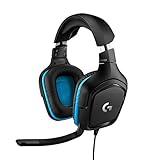
- Enjoy expansive cinematic sound. Big 50 mm audio drivers deliver an incredible sound experience
- Hear Enemies From All Sides. DTS Headphone:X 2.0 surround sound(1) lets you hear enemies sneaking behind you, special ability cues, and immersive environments. It’s positional clarity that can make the difference between victory and defeat. Experience three-dimensional audio that goes beyond 7.1 channels to make you feel like you’re right in the middle of the action. (1) DTS Headphone:X 2.0 requires Logitech G HUB Software.
- Be Heard Loud and Clear. The big 6 mm boom mic makes sure you’re heard by gaming partners and mutes when flipped up.
- Use One Headset For Most Game Platforms. Your headphones work with your PC or Mac via USB DAC or 3.5 mm cable, mobile devices with 3.5 mm cable or with gaming consoles including PlayStationⓇ 5 and PlayStationⓇ 4 (USB wireless stereo sound only), Nintendo Switch (wireless stereo sound when docked)
- Game for Hours in Comfort. Everything about these headphones is about comfort: The deluxe lightweight leatherette ear cups and headband are made to keep pressure off your ears. Ear cups rotate up to 90 degrees for convenience.
Stability Is the Tutorial Now
For new players, server stability is the real onboarding experience. Before they learn ammo charts or healing priority, they learn whether the game respects their time. A lost kit due to a disconnect or a stuck “awaiting session start” screen teaches frustration faster than any death to a geared PMC.
Veterans tolerate this because Tarkov has trained them to. New players won’t. If the first five raids include crashes, rubber-banding scavs, or desync deaths behind cover, the learning curve feels hostile instead of hardcore. That distinction matters when refunds and reviews are one click away.
The Steam Effect: Visibility Cuts Both Ways
If Tarkov hits Steam at or near 1.0, the audience changes overnight. Steam reviews don’t contextualize eight years of Early Access or complex netcode challenges. They reflect raw experience: did the game run, did it feel fair, and did it respect the player’s time?
Negative reviews snowball fast, especially for hardcore games. “Unstable,” “unfair,” and “broken servers” are labels that stick far longer than patch notes can fix. Tarkov’s reputation among core fans won’t save it from mainstream algorithms that surface average scores, not design intent.
Hardcore Design Meets Mass Expectations
There’s also a philosophical clash at play. Tarkov is built around loss, friction, and tension, but infrastructure problems blur that line. When difficulty feels indistinguishable from instability, the game’s identity gets muddied for new players trying to understand what’s intentional.
What’s actually slowing this PC down?
Pick the symptom - the matching free tool is one click away.
At 1.0 scale, every backend hiccup undermines the hardcore fantasy. Losing a fight because of bad positioning feels brutal but fair. Losing it because the server disagreed with your hitbox feels broken. The wider the audience, the less tolerance there is for that ambiguity.
First Impressions Are Permanent Damage
Early Access allowed Tarkov to recover from rough patches. Wipes reset progress, patches rewrote narratives, and players came back with cautious optimism. A 1.0 launch doesn’t get that luxury.
Once the broader audience decides Tarkov is unstable or unfinished, clawing that perception back is a multi-year effort. Infrastructure failures at launch don’t just cause short-term frustration; they shape the game’s public identity at the exact moment it’s supposed to stand on its own.
A Softer Landing or a Hard Launch: How Tarkov Could Avoid Shooting Itself in the Foot
At this point, the risk isn’t that Tarkov fails to launch. It’s that it launches too loudly, too broadly, and too permanently. A 1.0 release doesn’t need fireworks; it needs stability, clarity, and restraint.
Stagger the Finish Line, Not the Hype
One of the safest plays Battlestate could make is treating 1.0 as a foundation, not a feature dump. Locking critical systems like armor hitboxes, recoil reworks, and progression pacing before exposing them to millions of new players reduces the chance of balance chaos becoming the headline.
Hardcore players can tolerate iteration. Mainstream audiences cannot. A lean 1.0 that works is far stronger than a sprawling one that buckles under its own ambition.
Stress-Test the Backend Like It’s a Raid Boss
If Tarkov is going to scale, the servers need to be ready for sustained peak load, not just wipe-day spikes. That means extended public tests, longer pre-launch stress events, and transparency when things break.
Desync, matchmaking stalls, and inventory rollbacks aren’t quirks anymore; they’re deal-breakers. At 1.0, infrastructure isn’t a support system, it’s the game’s first impression.
Quick wins for a faster PC:
Fix the driver behind crashes, sound loss and screen glitchesFind Drivers →Clear out junk files and repair common Windows errorsFree Scan →Control the Steam Narrative Before It Controls You
If Steam is part of the plan, timing is everything. A soft launch, limited regional rollout, or delayed review window could prevent early technical issues from defining Tarkov’s score forever.
Steam users won’t read dev blogs or roadmap posts. They’ll read the top three reviews and decide if the game respects their time. Battlestate needs those reviews talking about tension and depth, not queue times and disconnects.
Teach Without Diluting the Hardcore
Better onboarding doesn’t mean easier Tarkov; it means clearer Tarkov. Improved tutorials, offline practice clarity, and better feedback loops help new players understand why they died, not just that they did.
When players can identify mistakes, they improve. When they can’t tell if it was RNG, netcode, or bad positioning, frustration replaces curiosity, and curiosity is what keeps people raiding.
Windows Errors? Fix Them Before They Spread
Repair common Windows errors and clear accumulated junk for a smoother, more stable PC - no reinstall needed.Free scan · no reinstallOutdated Drivers Are Slowing You Down
One free scan finds every outdated or missing driver and matches the right update for your exact hardware.Free scan · exact hardware matchLet 1.0 Be a Promise, Not a Verdict
The smartest move Tarkov can make is leaving itself room to breathe. Communicating what 1.0 is and what it isn’t sets expectations before the internet sets them for you.
Escape From Tarkov doesn’t need to prove it’s finished. It needs to prove it’s ready. If Battlestate chooses a softer landing over a hard launch, 1.0 could finally be the moment Tarkov becomes legendary for the right reasons.